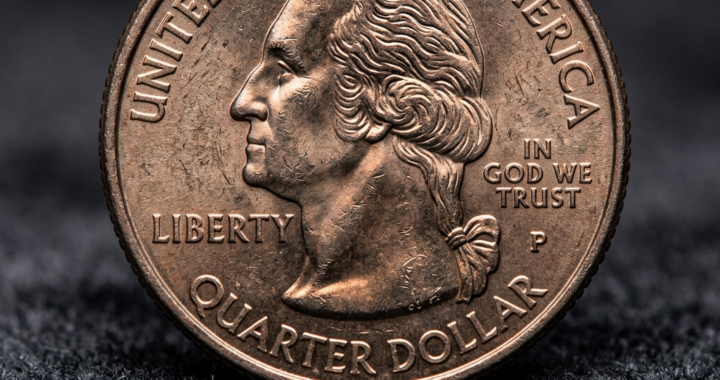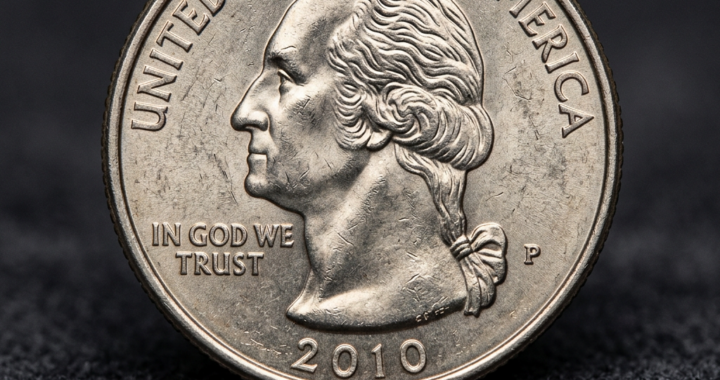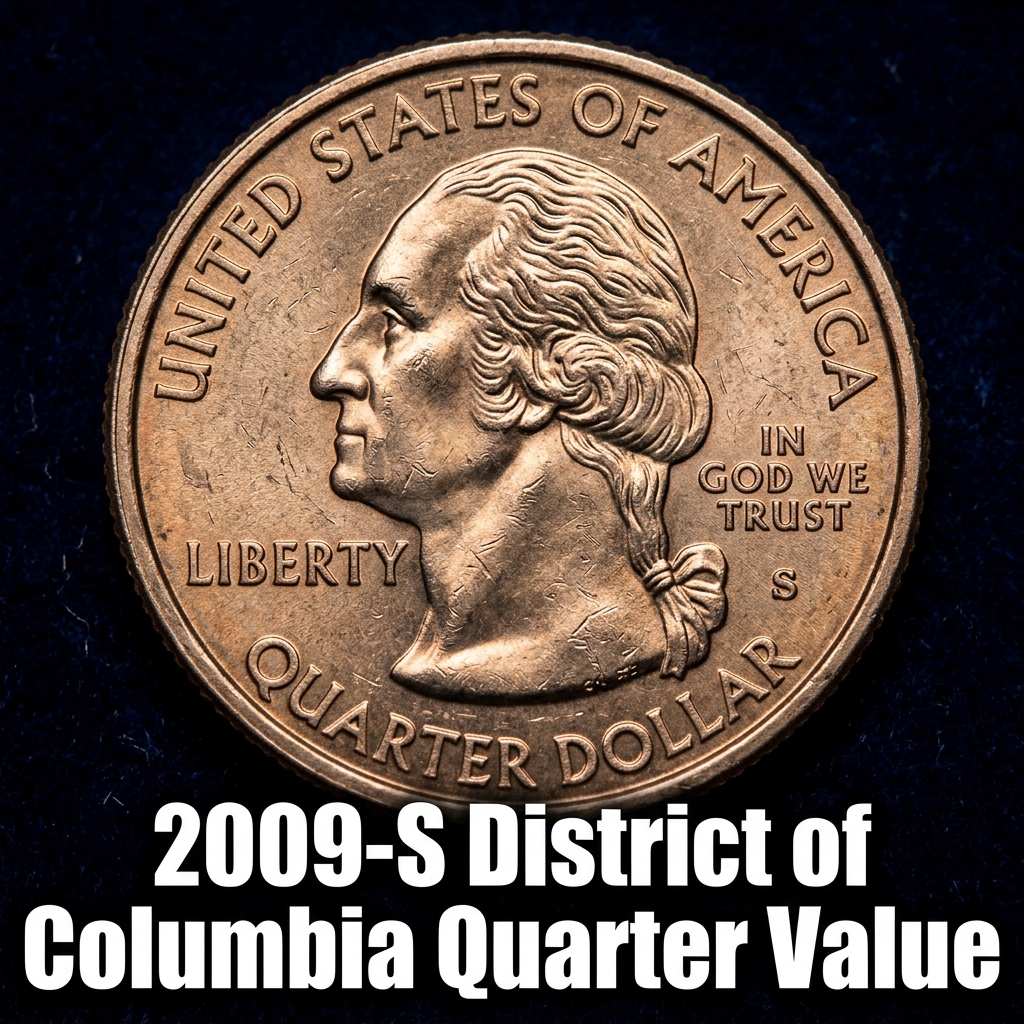
The 2009-S District of Columbia Quarter is worth anywhere from $1 to $3 in typical circulated condition, but proof versions and high-grade examples can fetch $5 to $25 or more depending on quality and finish. If you found one of these coins sitting in a drawer or old jar, you might be holding something worth a closer look.
The District of Columbia Quarter was released as part of the 2009 DC and U.S. Territories Quarters Program. This special series honored Washington D.C. and five U.S. territories, making it a unique chapter in American coinage history. Before we dive into the value breakdown, it’s worth knowing that using a reliable best coin identifier app can help you quickly identify the exact mint mark, grade, and variety of your coin — saving you a lot of guesswork right from the start.
What Makes the 2009-S DC Quarter Different
The “S” mint mark on your coin tells you it was struck at the San Francisco Mint. Unlike the Philadelphia (P) and Denver (D) versions made for circulation, the San Francisco Mint produced the 2009-S District of Columbia Quarter exclusively as a proof coin. That means it was struck with specially polished dies and planchets to create a sharp, mirror-like finish — not the kind of coin that ever passed through a cash register.
The obverse features the classic portrait of George Washington, while the reverse shows Duke Ellington, the legendary jazz musician born in D.C., seated at a piano. The inscription reads “Duke Ellington” with the motto “Justice for All,” a detail that makes this coin stand out visually and historically.
Because San Francisco proof quarters weren’t released into general circulation, finding a 2009-S DC Quarter in your pocket change would be unusual — they typically came in collector proof sets sold by the U.S. Mint. If you have one, it likely came from one of those sets.
2009-S District of Columbia Quarter Value by Grade and Type
The value of your 2009-S DC Quarter depends heavily on the specific type — clad proof or silver proof — and its condition. The U.S. Mint offered both versions in 2009. Silver proof quarters contain 90% silver and naturally carry more value.
Here’s a simple breakdown of current market values:
| Coin Type | Grade | Estimated Value |
|---|---|---|
| Clad Proof (PR-65) | PR-65 | $2 – $5 |
| Clad Proof (PR-69 DCAM) | PR-69 | $8 – $15 |
| Clad Proof (PR-70 DCAM) | PR-70 | $20 – $35 |
| Silver Proof (PR-69 DCAM) | PR-69 | $12 – $20 |
| Silver Proof (PR-70 DCAM) | PR-70 | $30 – $60+ |
A “DCAM” designation stands for Deep Cameo — the striking contrast between frosted design elements and mirror-like fields that makes proof coins so visually appealing to collectors.
How to Check If Your 2009-S DC Quarter Is Silver
One of the most common questions people have is whether their coin contains silver. Here’s the quick way to check: look at the edge of the coin. A clad quarter will show a copper-colored stripe running through the middle. A silver proof quarter will show a solid silver-gray color all the way through, with no copper layer visible.
You can also check the weight. A clad quarter weighs about 5.67 grams, while a silver proof quarter weighs 6.25 grams. If you have a small digital scale at home, that’s an easy test. For a more thorough analysis, CoinHix makes it easy to scan your coin and get an instant read on its metal composition, mint mark, and estimated value — no coin expertise required.
For a more detailed look at how collector demand and auction prices affect what your coin could be worth today, check out this complete guide to 2009 quarter values by mint mark and grade — it’s one of the most thorough resources available for this series.
Where to Sell Your 2009-S District of Columbia Quarter
If you’re thinking about selling, you have several solid options. Online platforms like eBay and Heritage Auctions are popular choices for proof coins, especially if your coin is still in its original U.S. Mint packaging. Coins still sealed in their original proof set box tend to sell faster and for slightly higher prices because buyers trust the condition.
Local coin dealers are another option, though they’ll typically offer 50–70% of retail value since they need room to resell. Coin shows can connect you with enthusiastic collectors willing to pay closer to market value.
Before you list or sell anything, download CoinHix and run a quick scan. The app gives you a real-time value estimate based on current market data, so you walk into any negotiation knowing exactly what your coin is worth.
FAQ About the 2009-S District of Columbia Quarter
Q: Is the 2009-S DC Quarter rare?
A: It’s not considered rare in the traditional sense, but it’s not a coin you’d find in everyday pocket change. The San Francisco Mint produced these exclusively for proof sets. Mintage numbers were in the millions, but collector-grade examples in PR-70 DCAM are harder to come by and command higher prices.
Q: Can I spend my 2009-S District of Columbia Quarter as regular money?
A: Technically yes — it’s legal tender worth 25 cents. But doing so would be a waste, especially if it’s a silver proof version or in high mint state grade. Always check the value before spending any coin with an “S” mint mark.
Q: How do I get my 2009-S DC Quarter officially graded?
A: The most respected grading services are PCGS (Professional Coin Grading Service) and NGC (Numismatic Guaranty Company). Submitting a coin for grading typically costs $20–$50 per coin and makes sense if you believe your coin might be PR-69 or PR-70. CoinHix can give you a quick at-home estimate before you decide whether professional grading is worth the investment.