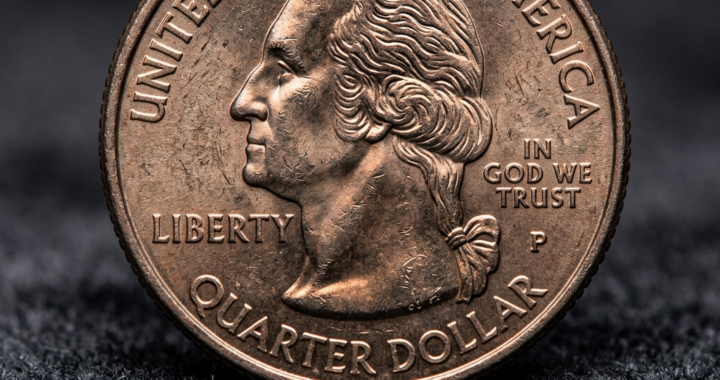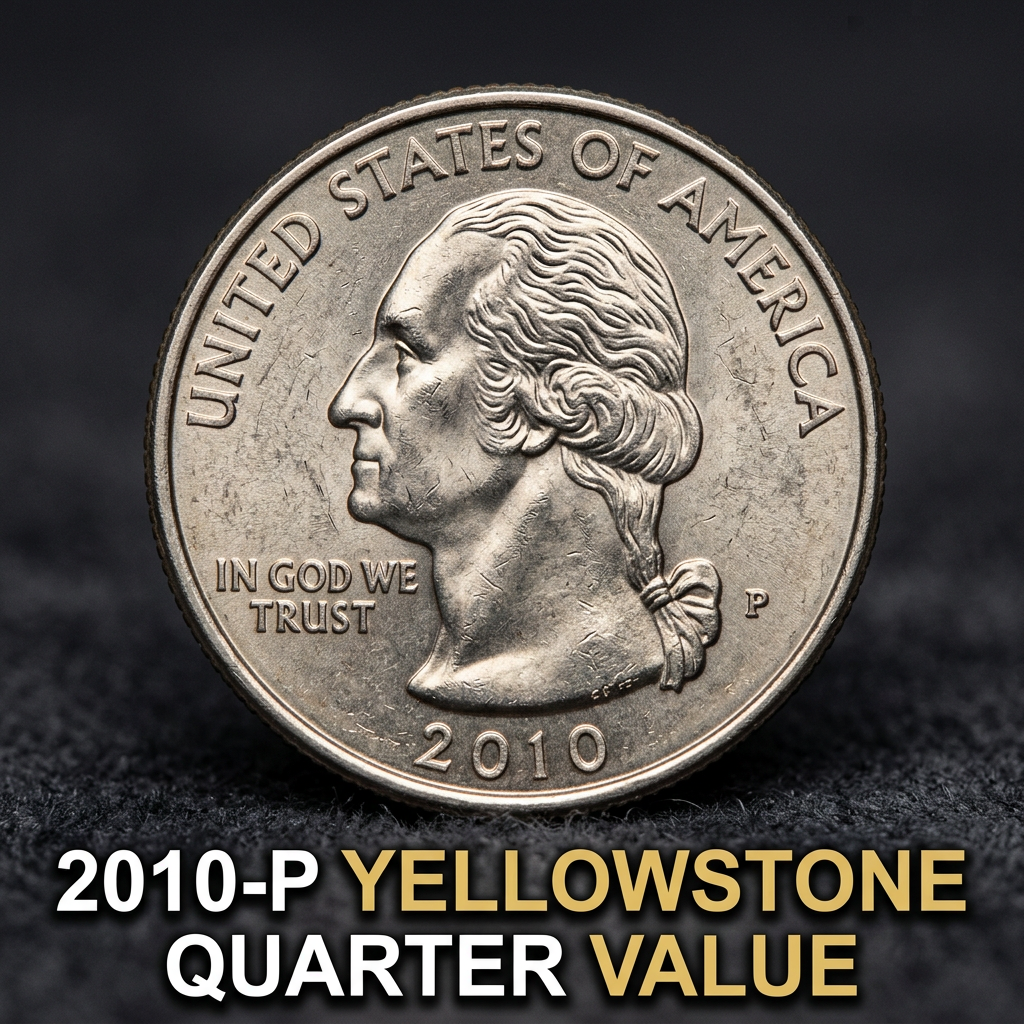
The 2010-P Yellowstone Quarter is worth between $0.25 and $1 in circulated condition, but uncirculated examples in top grades can fetch $5 to $15 or more — and rare high-grade specimens have sold for significantly higher at auction. If you’ve got one sitting in a jar or found it in your change, here’s what you need to know.
What Is the 2010-P Yellowstone Quarter?
The 2010-P Yellowstone National Park Quarter is part of the America the Beautiful Quarters Program, launched by the U.S. Mint in 2010. Each year, five new designs were released honoring national parks and historic sites across the United States. Yellowstone was the very first coin in this series, making it a meaningful piece of American numismatic history.
The “P” in 2010-P tells you this coin was struck at the Philadelphia Mint. The reverse features a stunning design of a bison in front of a geyser — instantly recognizable as Yellowstone’s iconic landscape. The obverse carries the traditional portrait of George Washington, as seen on all Washington quarters.
If you’re not sure how to identify coins in your collection, using the best coin identifier app can help you quickly confirm what you have before diving into valuations. Apps like CoinHix make it easy to scan and identify coins right from your smartphone — no experience needed.
The Philadelphia Mint produced over 33 million of these quarters in 2010, so they’re not rare in everyday circulation. But condition is everything when it comes to value, which is what we’ll break down next.
How Much Is the 2010-P Yellowstone Quarter Worth by Grade?
Most people find this coin in circulated condition, meaning it’s been through everyday use and shows some wear. In that state, it’s generally worth face value — just 25 cents. But once you move into uncirculated territory, values start to climb.
Here’s a general value breakdown based on coin grade:
| Grade | Condition | Estimated Value |
|---|---|---|
| Good (G-4) | Heavy wear, design visible | $0.25 |
| Fine (F-12) | Moderate wear | $0.25 – $0.50 |
| Extremely Fine (EF-40) | Light wear on high points | $0.50 – $1.00 |
| Mint State (MS-63) | Uncirculated, minor contact marks | $3 – $6 |
| Mint State (MS-65) | Gem uncirculated | $8 – $15 |
| MS-67 or Higher | Superb gem, PCGS/NGC certified | $50+ |
For real-time auction results and up-to-date market data, you can check out the 2010-P Yellowstone Quarter price history and certified coin values tracked across major sales platforms.
Factors That Affect the Value of Your 2010-P Yellowstone Quarter
Beyond the grade, several factors can push the value of your coin higher or lower.
Strike Quality — The Philadelphia Mint was known to occasionally produce weakly struck coins in this series. A fully struck example with sharp bison details and crisp geyser lines is worth considerably more than a mushy, flat strike of the same grade.
Eye Appeal — Collectors pay a premium for coins with exceptional luster and no distracting bag marks or contact hits. Even two MS-65 coins can differ significantly in price based on visual appeal.
Certification — Having your coin graded and certified by PCGS or NGC adds legitimacy and boosts buyer confidence. Certified high-grade examples routinely sell for multiples of what a raw coin would bring at auction.
Color and Luster — The 2010-P Yellowstone Quarter is composed of a copper-nickel clad sandwich. Coins that retain their original mint luster and show no signs of cleaning or artificial toning tend to attract the most interest from serious collectors.
If you’re unsure about any of these factors, CoinHix offers detailed grading guidance and pricing tools that help everyday collectors assess what they actually have before listing or selling.
Is the 2010-P Yellowstone Quarter Rare?
In circulated grades, no — it’s quite common. But in gem uncirculated condition (MS-65 and above), true quality examples are harder to come by than the mintage numbers might suggest. That’s because most of these coins went into circulation or were simply saved in rolls without proper storage, leading to contact marks and dulled luster over time.
The series is also growing in collector popularity as the America the Beautiful program gains recognition among hobbyists who enjoy thematic collecting. Being the very first coin in a 56-quarter program gives the Yellowstone issue a special place in the hearts of many collectors.
You can also explore detailed value information for 2010 quarters across all mint marks and varieties to compare how the Philadelphia issue stacks up against the Denver (D) and San Francisco (S) versions.
How to Sell Your 2010-P Yellowstone Quarter
If you’ve determined your coin is in nice condition, a few selling options are worth considering. eBay is the most popular platform for individual coins and gives you direct access to collectors worldwide. For higher-grade certified coins, Heritage Auctions or Stack’s Bowers may be better fits.
Before you sell, it helps to know exactly what you have. Download CoinHix to get a quick sense of current market prices, recent sold listings, and grading benchmarks — all in one place. It’s a smart first step before putting any coin up for sale.
—
FAQ
Q: Is the 2010-P Yellowstone Quarter worth keeping?
A: If your coin is in circulated condition, it’s worth face value. But if it appears bright, lustrous, and free of wear, it could be a gem uncirculated example worth $8 or more. It’s definitely worth a closer look before you spend it.
Q: How do I know if my 2010-P Yellowstone Quarter is uncirculated?
A: An uncirculated coin will show no wear on the high points — like the bison’s back and the geyser spray on the reverse. It should also have a bright, cartwheel luster when tilted under a light. If the surface looks dull or flat, it’s likely been circulated.
Q: What’s the most valuable 2010-P Yellowstone Quarter ever sold?
A: PCGS-graded examples in MS-67 or higher have sold for $50 to several hundred dollars depending on the specific designation and eye appeal. Superb gem coins with a PCGS or NGC pedigree attract the highest prices at major coin auctions.