The 1976 Kennedy Half Dollar (50C) is worth anywhere from face value up to $15 or more in uncirculated condition, with special silver proof versions fetching $20 to $40 among collectors. If you found one of these bicentennial coins in your change jar or an old collection, you’re in the right place to find out exactly what it’s worth.
What Makes the 1976 Kennedy Half Dollar Special
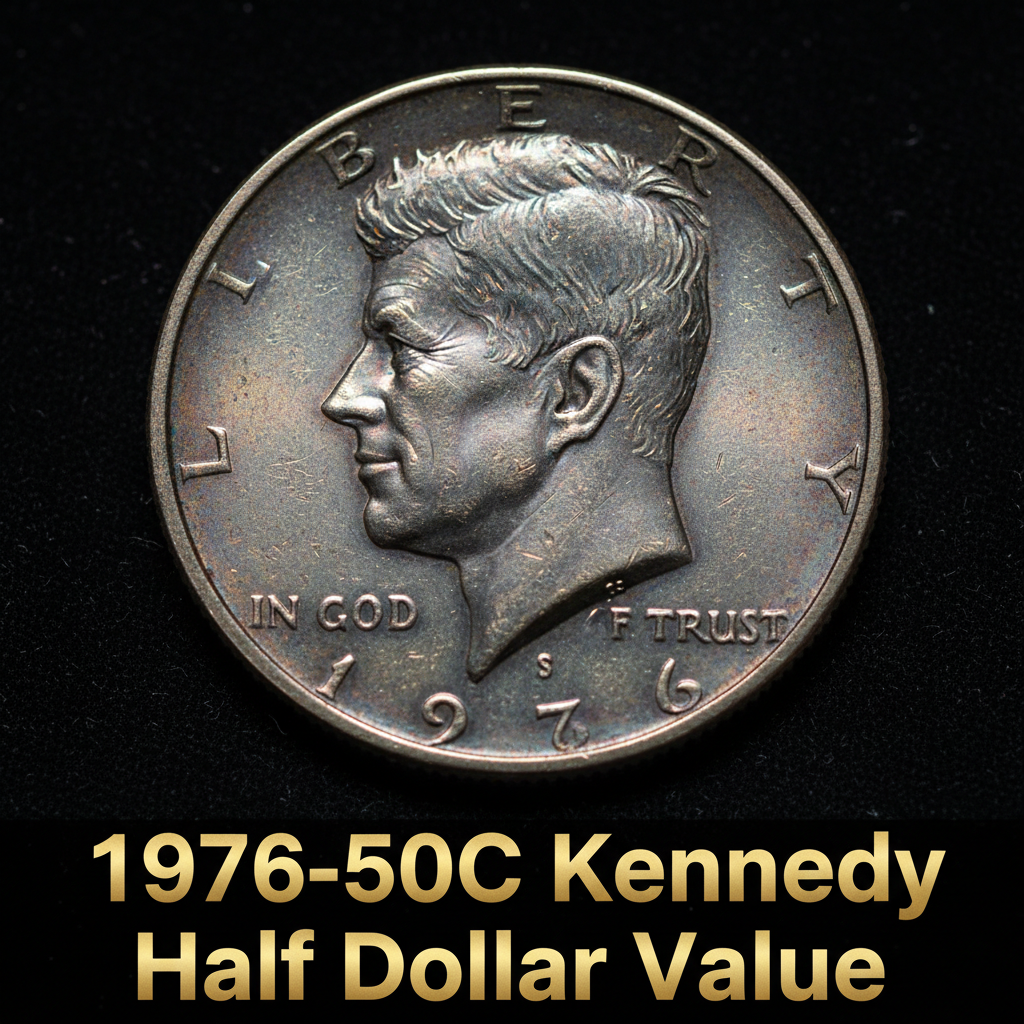
The 1976 Kennedy Half Dollar isn’t just any ordinary coin — it’s a true piece of American history. Struck to celebrate the United States Bicentennial, this coin features a unique reverse design showing Independence Hall in Philadelphia instead of the usual eagle. The obverse still carries John F. Kennedy’s portrait, but the date reads “1776–1976,” honoring 200 years of American independence.
Millions of these coins were minted across three facilities: Philadelphia (no mint mark), Denver (D), and San Francisco (S). The Philadelphia and Denver issues were made from copper-nickel clad, while San Francisco produced both clad and 40% silver versions for collectors. That silver distinction is what separates a common pocket-change coin from something genuinely valuable.
If you’re trying to identify exactly which version you have, using the best coin identifier app can save you a lot of time and guesswork. A good app will help you read the mint mark and grade your coin’s condition in seconds.
1976 Kennedy Half Dollar Value by Mint Mark and Condition
Condition matters enormously when it comes to coin values. A worn 1976 Half Dollar pulled from circulation is worth exactly 50 cents — its face value. But the same coin in brilliant uncirculated condition can fetch several times that amount, and a silver proof version in original packaging is a whole different story.
Here’s a breakdown of current estimated values:
| Coin Type | Circulated | Uncirculated (MS63) | Gem Uncirculated (MS65+) |
|---|---|---|---|
| 1976-P Clad | $0.50 | $2–$5 | $8–$15 |
| 1976-D Clad | $0.50 | $2–$5 | $8–$15 |
| 1976-S Clad Proof | N/A | $5–$8 | $10–$18 |
| 1976-S Silver Proof | N/A | $15–$22 | $25–$40+ |
For the most up-to-date pricing, you can check the live 1976 Kennedy Half Dollar clad price data on CoinHix to see recent auction results and market trends. The CoinHix app is a fantastic tool to keep on your phone for real-time coin pricing.
How to Tell If Your 1976 Half Dollar Is Silver
This is the most common question people ask about this coin — and for good reason. A silver 1976 Kennedy Half Dollar is worth significantly more than the clad version. Here’s how to tell them apart:
First, look at the edge of the coin. A clad coin will show a visible copper-colored stripe running through the middle of the edge. A silver coin will have a consistent grayish-white edge with no copper layer.
Second, check the mint mark on the obverse (front) of the coin, just below Kennedy’s portrait. Only the “S” mint mark versions from San Francisco were made in silver, and these were sold exclusively in special collector sets — they were never released into general circulation. So if your coin came from a cash register or a piggy bank, it’s almost certainly clad.
Third, weigh the coin. A 40% silver version weighs 11.50 grams, while the clad version weighs 11.34 grams. The difference is small but measurable on a decent postal or jewelry scale.
Errors and Varieties That Could Make Your Coin More Valuable
Most 1976 Kennedy Half Dollars are common coins, but a few error varieties have turned up over the years that can make collectors take notice. Doubled die errors, where design elements appear slightly doubled due to a misalignment during the die-hubbing process, are the most frequently reported. A strong doubled die on the date or lettering can add $50 to several hundred dollars to the coin’s value depending on severity.
Other errors to look for include off-center strikes, die caps, and broadstrikes. These production mistakes slipped past quality control and ended up in circulation. If your coin looks “off” in any way — unusual shape, missing details, or a doubled image — it’s worth getting a second opinion before spending it.
For a thorough look at the full value guide for the 1776–1976 Bicentennial Half Dollar including error varieties, dedicated collector resources can walk you through exactly what to look for. You can also scan your coin with CoinHix to quickly identify known varieties and get an instant estimated value.
Is the 1976 Kennedy Half Dollar Worth Collecting
Honestly, for most people who find a circulated clad 1976 Kennedy Half Dollar, the coin is worth 50 cents to a few dollars at most. But that doesn’t mean it should go unnoticed. These coins are a wonderful snapshot of American pride from 1976, and the bicentennial design is genuinely attractive.
If you have a silver proof version — especially if it’s still in original government packaging — you’re holding something that’s both meaningful and worth preserving. Even the common clad versions in gem uncirculated condition are worth setting aside in a coin flip or album rather than spending.
The best approach is to evaluate what you have, check current pricing through a reliable source like CoinHix, and decide whether to keep, sell, or simply appreciate the history in your hand.
FAQ
Q: How do I know if my 1976 Kennedy Half Dollar is worth more than face value?
A: Check the mint mark first — an “S” mint mark could mean you have a silver proof version worth $15 to $40. Then examine the condition. A coin in brilliant uncirculated condition with no wear or scratches will always be worth more than a worn, circulated example.
Q: Were any 1976 Kennedy Half Dollars made of pure silver?
A: No, none were made of pure silver. The special collector versions made at the San Francisco Mint were struck in 40% silver (the rest being copper), while the coins made for general circulation in Philadelphia and Denver were copper-nickel clad with no silver content at all.
Q: Where is the best place to sell a 1976 Kennedy Half Dollar?
A: For common circulated coins, a local coin shop or even a bank (at face value) makes sense. For uncirculated or silver proof versions, online platforms like eBay, PCGS CoinFacts, or Heritage Auctions can connect you with collectors willing to pay fair market value. Grading your coin through PCGS or NGC before selling a high-grade example is always a smart move.