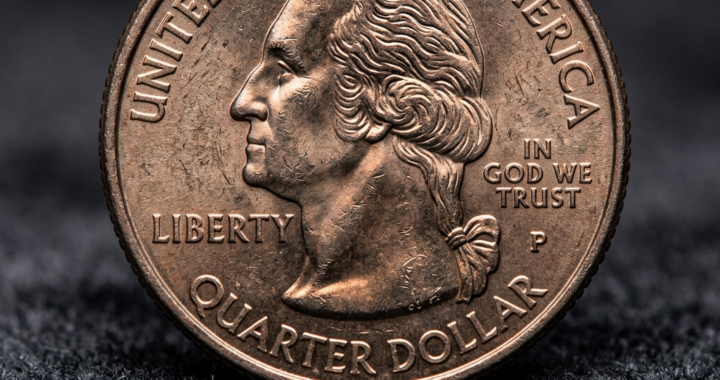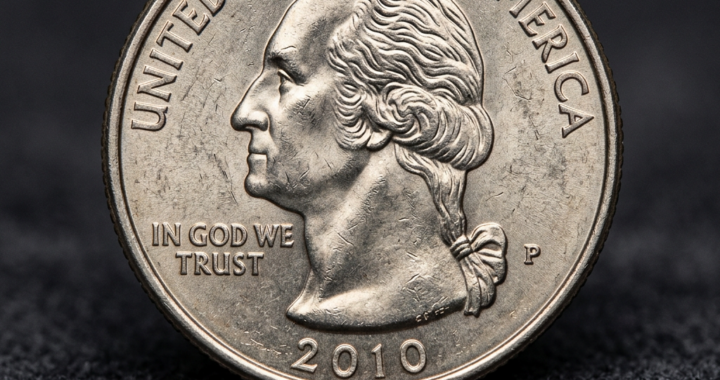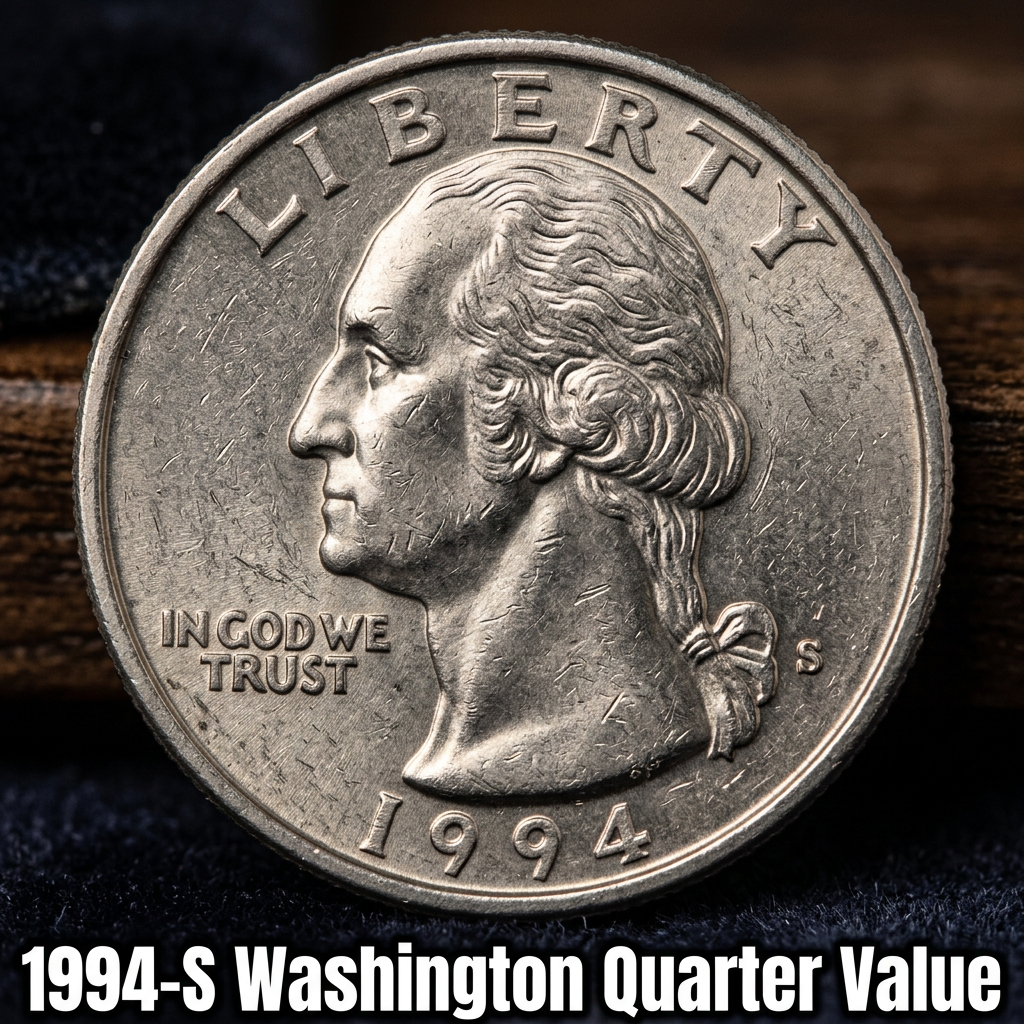
The 1994-S Washington Quarter is worth anywhere from $3 to over $12 in typical proof condition, with top-grade examples grading PR70 DCAM selling for $50 or more. If you found one of these shiny, mirror-like coins in an old collection or proof set, you’re in the right place to find out exactly what it’s worth.
What Makes the 1994-S Washington Quarter Special
The “S” mintmark on this quarter tells you it was struck at the San Francisco Mint — and that’s a big deal. San Francisco doesn’t produce quarters for everyday circulation. Instead, it strikes proof coins specifically for collectors. These coins are made using specially polished dies and planchets, giving them that mirror-like background and frosted design detail that makes them so visually striking compared to a regular pocket quarter.
The 1994-S Washington Quarter was included in the annual Proof Set sold by the U.S. Mint. Millions of Americans bought these sets as gifts or investments, which means plenty of these coins exist today — but well-preserved, top-graded examples are still harder to come by than you might think. If you’re just getting started identifying old coins, using the best coin identifier app can help you quickly confirm the mintmark, date, and condition of what you have before you buy, sell, or trade.
Understanding the difference between a proof coin and a regular business strike is the first step to knowing your coin’s true value.
1994-S Washington Quarter Value by Grade
Proof coins are graded on the same 70-point Sheldon scale as other coins, but they carry specific proof designations. The most desirable are DCAM (Deep Cameo), meaning there’s a sharp contrast between the frosted portrait and the mirror-like fields. Here’s a breakdown of typical market values:
| Grade | Designation | Estimated Value |
|---|---|---|
| PR65 | Cameo (CAM) | $4 – $6 |
| PR67 | Deep Cameo (DCAM) | $6 – $10 |
| PR69 | Deep Cameo (DCAM) | $10 – $18 |
| PR70 | Deep Cameo (DCAM) | $45 – $80+ |
For the most up-to-date auction results and dealer pricing, you can check out detailed 1994 Washington Quarter price data across mint state and proof grades to see how recent sales are trending.
How to Tell If Your 1994-S Quarter Is Worth More
Not all 1994-S proof quarters are created equal. The key factors that push value higher are eye appeal, surface preservation, and cameo contrast. A coin that still sits in its original Mint-issued plastic holder and has never been touched is already ahead of the game. The moment someone removes it from the holder and handles it, tiny contact marks from fingerprints can reduce its grade and value.
Look closely at the coin’s fields — the flat, mirror-like areas around the portrait of George Washington and the eagle on the reverse. If those surfaces are perfectly clear with no haziness or spotting, and the raised design has a bright, frosted white look, you may have a PR69 or even PR70 example on your hands. Getting it certified by a third-party grading service like PCGS or NGC is worth the cost if you believe your coin is truly top-grade.
For a more complete look at what the 1994 quarter is worth in all conditions and mintmarks, including P, D, and S versions, that resource breaks it down clearly for everyday collectors.
Should You Use a Coin Identifier App to Check Your Quarter
If you’re not sure whether the coin you found is the S-mint proof version or just a regular 1994 Philadelphia or Denver quarter, technology can help. CoinHix is one of the most popular tools among coin hobbyists right now. You simply snap a photo of both sides of your coin, and CoinHix identifies the date, mintmark, type, and even gives you an estimated value range based on current market data. It’s free to try and surprisingly accurate even for beginners.
Whether you inherited a full proof set, found a coin in an old drawer, or picked one up at an estate sale, CoinHix gives you a fast, reliable starting point before you take your coin to a dealer or look up auction records manually.
Is the 1994-S Washington Quarter Worth Keeping
For most people, the 1994-S quarter isn’t going to fund a vacation — but it’s absolutely worth keeping if you’re building a set or enjoy the hobby. Proof coins are beautiful, historically interesting, and far more impressive to display than a worn circulation coin. If your example is in PR67 DCAM or better and still in original packaging, hold onto it. The market for high-grade modern proofs tends to be steady, and pristine examples with strong cameo contrast always attract buyer interest.
If you have a full 1994 Proof Set, the combined value of all the coins together is typically more than selling each coin individually.
—
FAQ
Q: How many 1994-S proof quarters were made?
A: The U.S. Mint produced approximately 2.96 million 1994-S proof quarters as part of the annual proof set. While that sounds like a lot, truly high-grade PR70 examples represent only a tiny fraction of that mintage.
Q: Is the 1994-S quarter made of silver?
A: The standard 1994-S proof quarter is clad — made of copper-nickel, not silver. However, the U.S. Mint also issued a 1994-S Silver Proof Set that year containing a 90% silver quarter. The silver version is worth significantly more, typically $15–$40 depending on grade and silver spot price.
Q: How do I know if my 1994-S quarter has been graded or certified?
A: If your coin is in a hard plastic slab with a label showing a grade like “PR69DCAM” and a hologram or barcode, it has already been graded by a professional service such as PCGS or NGC. An ungraded proof coin straight from the Mint’s original packaging is called “raw” and would need to be submitted for grading if you want an official designation.