The Sacagawea Dollar is worth anywhere from face value to over $5,000 depending on the year, mint mark, and condition — and a select few rare errors have sold for tens of thousands of dollars at auction. If you’ve got one sitting in a drawer or coin jar, you might be surprised at what it could be worth.
These golden-colored dollar coins have been minted since 2000, and while most are common, a handful of dates and varieties are genuinely valuable. Whether you’re a casual collector or just someone who stumbled across an old coin, this guide will walk you through everything you need to know. If you want to identify your coin quickly and accurately, the best coin identifier app can help you match your coin to the right variety in seconds.
What Is the Sacagawea Dollar and Why Do Some Have High Value?
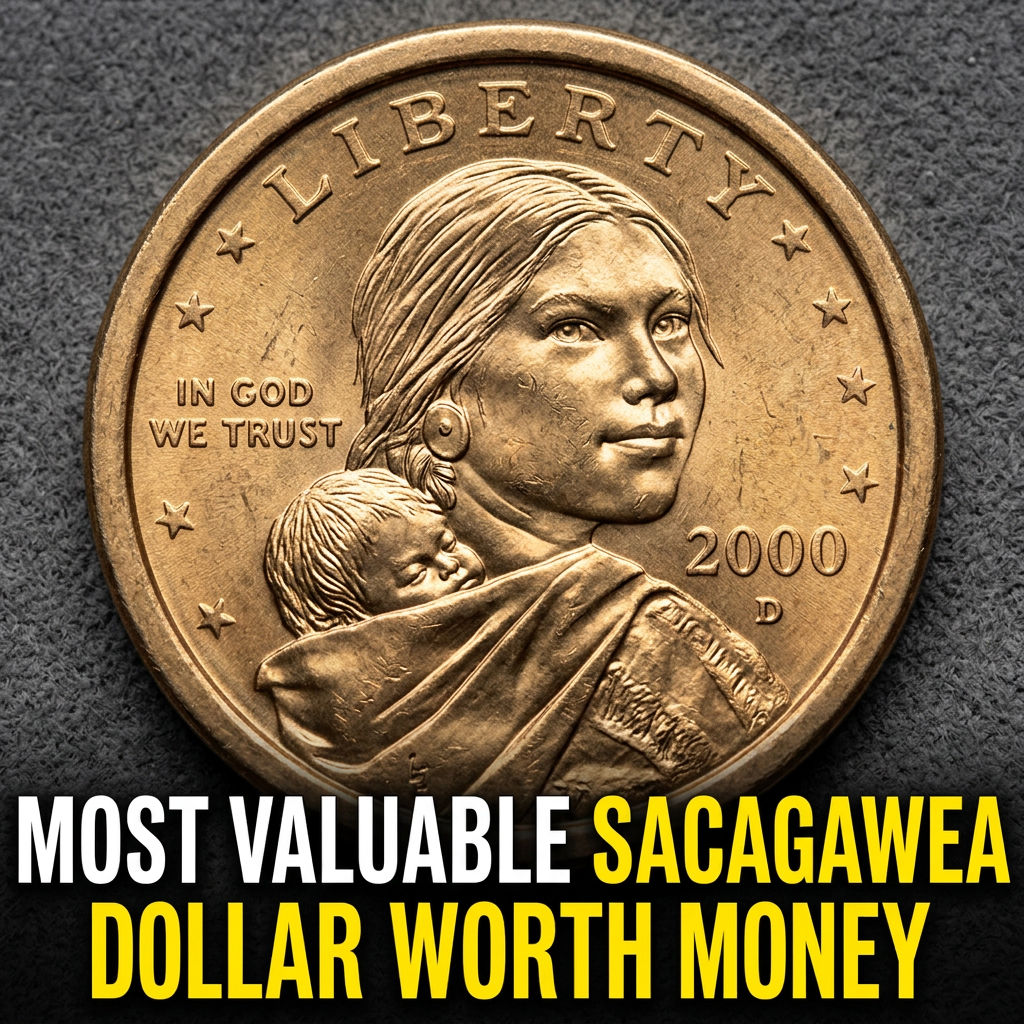
The Sacagawea Dollar was introduced in 2000 to honor the Shoshone woman who helped guide the Lewis and Clark Expedition. The obverse features her portrait with her infant son Jean Baptiste, and the reverse has changed over the years as part of the Native American Dollar series launched in 2009.
Most Sacagawea dollars were minted in huge quantities and are worth just one dollar in circulated condition. However, value shoots up when you factor in low mintage years, proof coins, special collector editions, and especially error coins. Coins in pristine uncirculated condition (graded MS65 or higher by PCGS or NGC) can also command serious premiums.
The key to unlocking real value is understanding which specific coins are rare, what condition yours is in, and whether it carries any mint errors. That’s where research — and the right tools — make all the difference.
Most Valuable Sacagawea Dollar Years and Varieties
Here’s a look at some of the most sought-after Sacagawea dollars and what they’re worth:
| Year / Variety | Mint Mark | Circulated Value | Uncirculated / Proof Value |
|---|---|---|---|
| 2000-P Cheerios Dollar | P | $200 – $500 | $500 – $5,000+ |
| 2000-P Wounded Eagle Error | P | $200 – $400 | $500 – $1,500 |
| 2000-P Mule (State Quarter Obverse) | P | N/A | $10,000 – $50,000+ |
| 2001-D | D | $1 – $3 | $15 – $40 |
| 2008-P Native American | P | $1 – $2 | $10 – $30 |
| 2014-D Enhanced MS | D | N/A | $50 – $150 |
For up-to-date pricing on specific issues, you can check current Sacagawea dollar market prices including the 2025-P Native American Position A in MS grade to see how values are trending right now.
The Rarest Sacagawea Dollar — The 2000-P Mule Error
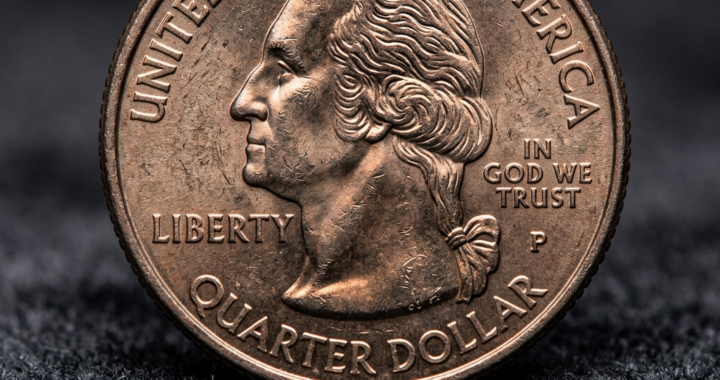
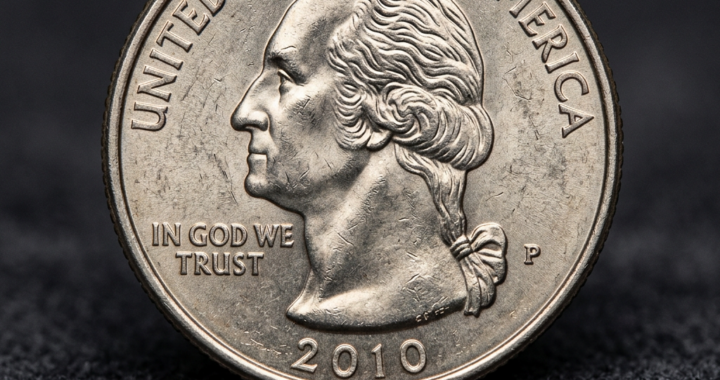
If there’s one Sacagawea dollar that makes coin collectors stop in their tracks, it’s the 2000-P Mule. This is one of the most famous U.S. mint errors of the modern era. It was struck with the obverse die from a State Quarter instead of the Sacagawea dollar die — a massive production mistake that should never have left the mint.
Only around 19 examples are known to exist, and they have sold at auction for anywhere between $30,000 and over $75,000. These coins were accidentally released into circulation, so in theory, one could be sitting in someone’s change jar right now.
To spot it, look for the State Quarter’s heads-up eagle design on one side and the Sacagawea reverse on the other. If you think you’ve found one, don’t clean it, don’t spend it, and get it authenticated immediately by PCGS or NGC.
CoinHix is a great resource for cross-referencing mint error coins and checking what recent examples have sold for — helping you understand if what you’re holding is actually the real deal.
The 2000-P Cheerios Dollar — Found in Cereal Boxes
In early 2000, General Mills partnered with the U.S. Mint to include a newly minted Sacagawea dollar inside specially marked boxes of Cheerios cereal. About 10 million boxes were distributed, each containing one of these coins.
What makes them special? It was later discovered that the Cheerios dollars were struck from an early prototype reverse die featuring enhanced feather details on the eagle’s tail — different from the standard production coins. This makes them a true variety, not just a novelty.
In circulated condition, a confirmed Cheerios dollar can sell for $200 to $500. In gem uncirculated condition with the enhanced feather detail confirmed, values climb into the thousands. The challenge is that most people who found them in cereal boxes didn’t know they were special and spent them.
If you have an old 2000 Sacagawea dollar, compare the eagle’s tail feathers under a magnifying glass. Enhanced feather detail could mean real money.
How to Check the Value of Your Sacagawea Dollar Today
Not every Sacagawea dollar is a treasure, but knowing how to evaluate yours is half the battle. Here’s a simple process:
First, check the date and mint mark (P for Philadelphia, D for Denver, S for San Francisco proof coins). Then examine the coin’s condition — look for wear on the high points like Sacagawea’s cheekbones and the eagle’s feathers. Finally, look for any errors or unusual characteristics.
For a comprehensive look at dollar coins worth money and how Sacagawea dollars compare to other valuable dollar coin series, there are some excellent resources available online that break it all down by date and grade.
Using CoinHix alongside a professional grading service gives you the most accurate picture of what your coin is actually worth in today’s market. And if you’re not sure what coin you’re even looking at, CoinHix and other AI-powered tools can help you identify it quickly before you decide whether to sell or hold.
—
FAQ
Q: Are all Sacagawea dollars worth keeping?
A: Most circulated Sacagawea dollars from common dates are only worth face value — one dollar. However, coins in uncirculated condition, proof coins, error coins, and special varieties like the Cheerios dollar can be worth significantly more. It’s always worth a quick check before spending them.
Q: How do I know if my 2000-P Sacagawea dollar is a Cheerios variety?
A: Look closely at the eagle’s tail feathers on the reverse side. Cheerios dollars have enhanced, more detailed feathers compared to standard production coins. You’ll want a magnifying glass and ideally a photo of the standard version to compare. If you’re confident you have one, send it to PCGS or NGC for authentication.
Q: Where is the best place to sell a valuable Sacagawea dollar?
A: For rare or high-value coins, major auction houses like Heritage Auctions or Stack’s Bowers are your best bet. For more common collector coins, eBay, local coin dealers, and coin shows are good options. Always get a professional appraisal before selling to make sure you’re getting a fair price.