The 2003-P Arkansas State Quarter is worth face value in typical circulated condition, but well-preserved examples can fetch anywhere from $1 to over $15, and certified mint-state coins grading MS67 or higher have sold for $50 or more at auction.
If you’ve been sorting through old change and found one of these quarters, you’re in the right place. This guide breaks down everything you need to know about the 2003-P Arkansas State Quarter — its history, what affects its value, and how to figure out what yours might be worth. Whether you’re a first-time coin finder or just coin-curious, keep reading.
A Quick Look at the 2003-P Arkansas State Quarter
The Arkansas State Quarter was released in October 2003 as part of the U.S. Mint’s popular 50 State Quarters Program, which ran from 1999 to 2008. The “P” mint mark tells you this coin was struck at the Philadelphia Mint. The reverse design features a stunning composition that includes a diamond (a nod to the only active diamond mine in North America, located in Arkansas), a mallard duck in flight, a pine tree, and a lake scene — all packed into a single design that celebrates the Natural State’s beauty.
More than 228 million of these quarters were produced at the Philadelphia Mint, which means they’re not rare by any standard definition. You’ll find them in circulation, in old coin jars, and in bulk lots. But just because something was made in large numbers doesn’t mean every single one is worth the same. Condition is everything in the coin world. If you want a quick and accurate way to identify and value your coin, the best coin identifier app can scan your coin in seconds and give you an instant estimate.
How Condition Affects the 2003-P Arkansas Quarter’s Value
When coin collectors talk about value, they almost always start with grade — a numerical score that reflects a coin’s physical condition. The Sheldon scale runs from 1 (barely identifiable) to 70 (perfect). For the 2003-P Arkansas quarter, most circulated examples fall in the Good to Extremely Fine range (G-4 to EF-45) and are generally worth face value to about $1.
Uncirculated coins — those that never made it into everyday use — are where things get interesting. A coin grading MS63 (Mint State, lightly marked) might trade for $2 to $5. Push that up to MS65, and you’re looking at $5 to $10. At MS67, where the surfaces are nearly flawless under magnification, values can climb to $15, $25, or even higher depending on eye appeal and demand.
The CoinHix app makes grading estimates much easier for beginners. Just upload a photo of your coin and let the algorithm give you a condition range before you decide whether professional grading is worth pursuing.
| Grade | Description | Estimated Value |
|---|---|---|
| G-4 to F-12 | Heavy wear, design still visible | Face value ($0.25) |
| VF-20 to EF-45 | Moderate to light wear | $0.25 – $1.00 |
| MS-63 | Uncirculated, some bag marks | $2 – $5 |
| MS-65 | Gem uncirculated, minor contact marks | $5 – $12 |
| MS-67 | Superb gem, nearly flawless | $15 – $50+ |
| MS-68+ | Finest known examples | $100+ |
For an up-to-date look at certified coin auction results, you can check the latest graded state quarter price data across recent sales to see exactly where the market sits right now.
Error Coins — Hidden Value in Ordinary Change
One area that excites collectors most is error coins. These are quarters that came out of the mint with something unusual — a doubled die, an off-center strike, a clipped planchet, or a die cap. Error coins for the 2003-P Arkansas quarter do exist, and depending on the type and severity of the error, they can be worth significantly more than a standard example.
A minor doubled die might add $10 to $30 in value. A dramatic off-center strike at 50% or more could push a coin’s value past $100. The key is finding the error in the first place — which takes a good magnifying loupe and a bit of practice. If you’re regularly hunting for valuable quarters, using CoinHix to cross-reference coin details and anomalies in your collection can save you a lot of guesswork.
Should You Get Your 2003-P Arkansas Quarter Certified?
Professional grading by PCGS or NGC costs money — typically between $20 and $50 per coin for standard service — so it only makes financial sense if your coin might be worth considerably more than that. For the average 2003-P Arkansas quarter in circulated condition, certification isn’t worth it. But if your coin looks like it has never been touched, shows exceptional luster and strike quality, and shows no signs of handling, getting a professional opinion could absolutely pay off.
Before sending anything in, do your homework. Check recent sales on auction platforms and explore detailed 2003 quarter value information by grade and mint mark to see if your coin is in a range where certification makes sense.
Tips for Storing and Preserving Your Arkansas Quarter
If you believe your 2003-P Arkansas quarter is in nice uncirculated condition, protect that grade! Never clean your coins — cleaning almost always reduces value by scratching the surface and destroying the coin’s natural luster. Store coins in archival-quality holders (non-PVC flips or hard plastic slabs) and keep them away from humidity and temperature swings. Handle coins by the edges only, and ideally use cotton gloves. Small steps like these make a meaningful difference when it comes time to sell or have the coin professionally graded.
—
Frequently Asked Questions
Q: Is the 2003-P Arkansas State Quarter worth keeping or spending?
A: If your coin looks shiny and shows no wear at all — like it came straight from a mint bag — it’s worth holding onto. Gem uncirculated examples can be worth $5 to $50+ depending on grade. If it’s been used and shows wear, it’s worth face value, so spending it is totally fine.
Q: How do I tell if my 2003-P Arkansas quarter has an error?
A: Use a 5x or 10x magnifying loupe to inspect the lettering, design details, and edges. Look for doubling in letters or design elements, off-center designs, or unusual planchet shapes. If something looks off to you, compare it with standard examples and consider posting photos to a coin forum or running it through CoinHix for a second opinion.
Q: Where is the mint mark on the 2003-P Arkansas quarter?
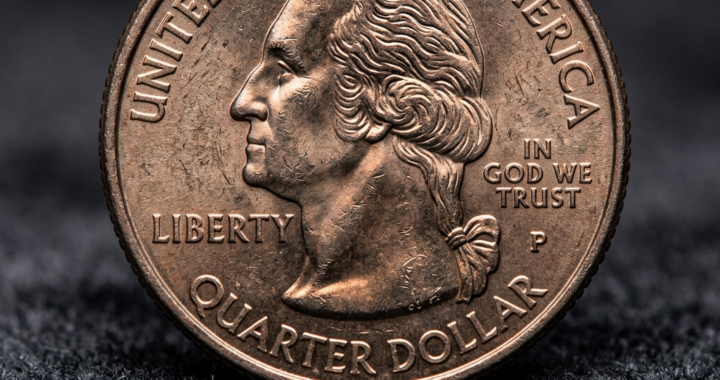
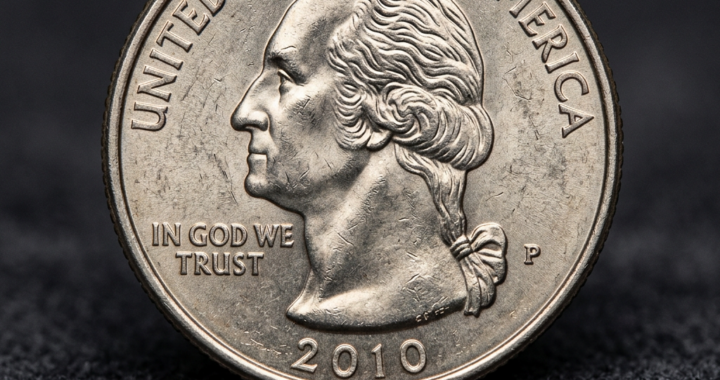
A: The mint mark is located on the obverse (heads side) of the coin, just to the right of George Washington’s ponytail, near the base of his neck. A “P” indicates it was struck at the Philadelphia Mint, while a “D” would mean Denver. Philadelphia struck over 228 million Arkansas quarters in 2003.