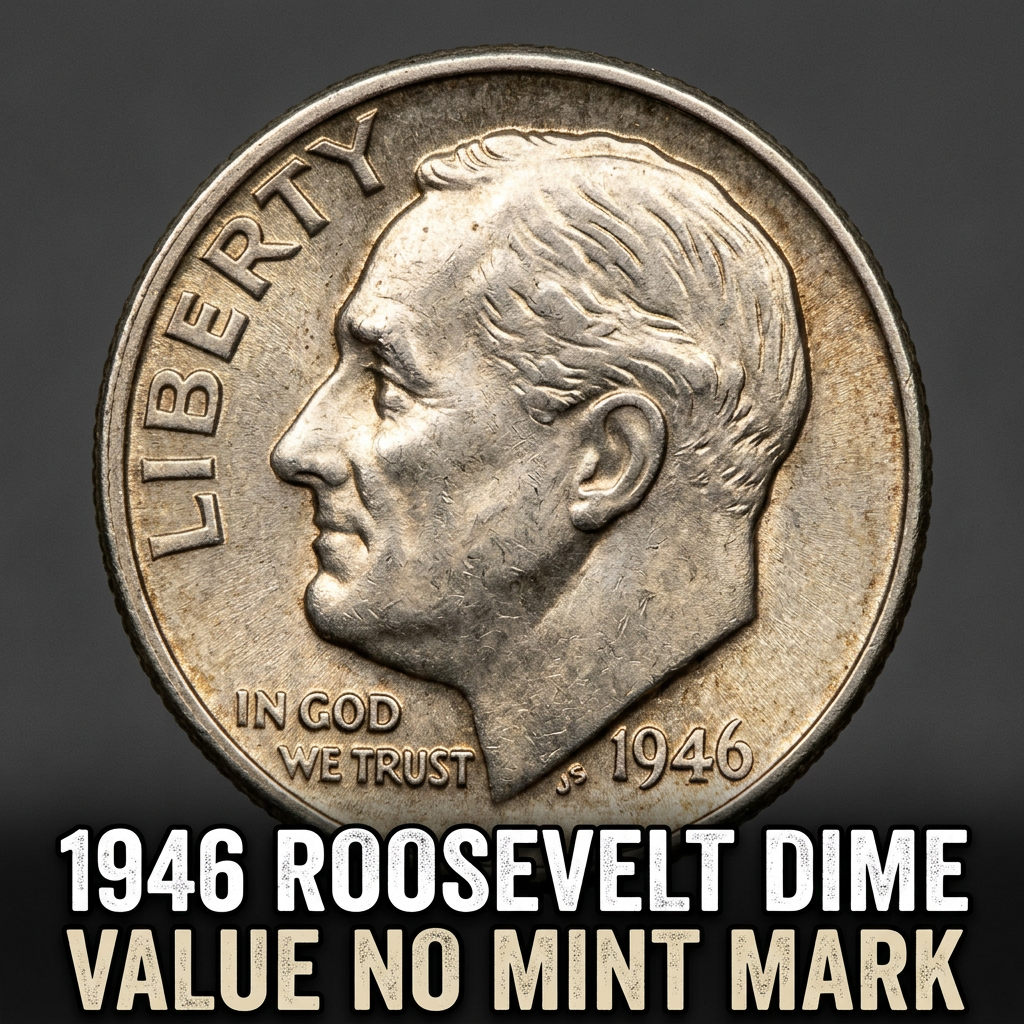
The 1946 Roosevelt Dime with no mint mark is worth anywhere from $2 to $3 in average circulated condition, but well-preserved examples can fetch $10 to $25 or more — and gem mint state coins sometimes sell for over $100. Whether you found one in an old coin jar or inherited it from a relative, this little silver dime has real collector appeal.
Why the 1946 Roosevelt Dime Matters
The 1946 Roosevelt Dime holds a special place in American numismatic history. It was the very first year the Roosevelt dime was struck, replacing the beloved Mercury dime design that had been in circulation since 1916. Produced at the Philadelphia Mint (which used no mint mark at the time), this coin was released just months after President Franklin D. Roosevelt’s death in 1945. The timing made it an instant tribute coin, and millions of Americans saved them as keepsakes.
Because so many were saved in lower grades, circulated examples are common — but truly sharp, uncirculated specimens are harder to find than you might expect. If you’re trying to figure out what yours is worth, using the best coin identifier app on your phone is one of the easiest ways to get a quick read on condition and value before you do anything else.
The 1946 Philadelphia dime is composed of 90% silver, giving it a base metal value of around $1.80 to $2.00 depending on the current silver spot price. Even heavily worn examples are worth holding onto.
1946 Roosevelt Dime No Mint Mark Value by Grade
Coin value depends heavily on condition, also called “grade” in collector terms. Here’s a straightforward look at what the 1946 Roosevelt Dime with no mint mark typically sells for across different grades:
| Grade | Description | Estimated Value |
|---|---|---|
| Good (G-4) | Heavy wear, outline visible | $2 – $3 |
| Fine (F-12) | Moderate wear, some detail | $3 – $5 |
| Extremely Fine (EF-40) | Light wear on high points | $5 – $10 |
| About Uncirculated (AU-55) | Slight wear, much luster | $10 – $18 |
| MS-63 | Uncirculated, minor marks | $20 – $35 |
| MS-65 (Gem) | Fully struck, strong luster | $50 – $100+ |
For the most current auction results and graded coin sales, you can check out up-to-date 1946 Roosevelt Dime price data by mint state grade to see exactly what buyers are paying today.
How to Tell If Your 1946 Dime Is in Good Shape
Most people who find a 1946 Roosevelt Dime with no mint mark are working with a circulated coin — one that spent time in someone’s pocket or change drawer. Here’s how to quickly assess yours without any special tools:
Look at Roosevelt’s hair above his ear and the torch on the reverse. If those details are sharp and well-defined, you’re likely looking at a higher-grade coin. If they’re smooth and blended from wear, it’s circulated but still silver and still worth more than face value.
Full Bands (FB) designation on the torch’s horizontal bands is a key quality marker for mint state examples. Coins certified as MS-65 Full Bands can sell for significantly more — sometimes double or triple the standard price. CoinHix is a great tool for tracking what FB-designated examples are actually selling for in real time.
Never clean your coin. Cleaning destroys the natural surface and dramatically reduces collector value, even if the coin looks shinier afterward.
What Makes Some 1946 Roosevelt Dimes More Valuable
Beyond grade, a few specific factors can make your 1946 Philadelphia dime worth considerably more:
Strike quality plays a big role. The Philadelphia Mint produced over 255 million dimes that year, and strike quality varied. A sharply struck example with well-defined torch bands and clear facial detail commands a premium.
Luster is another factor. Original, undisturbed mint luster gives coins a cartwheel-like shimmer when rotated under light. Once that luster is gone — from cleaning, polishing, or heavy circulation — it can’t be restored.
Toning can actually add value if it’s attractive and original. Rainbow-toned or naturally toned examples sometimes sell for multiples of standard prices at major auctions.
If you want a comprehensive breakdown of 1946 dime values across all mint marks and conditions, that resource covers the full picture for this historic first-year issue.
You can also scan your coin directly using CoinHix, which helps identify grade range and gives you comparable sale prices without needing to be a numismatic expert.
Should You Sell, Hold, or Get It Graded?
If your 1946 Roosevelt Dime looks like it might be uncirculated — no signs of wear, strong luster, well-struck details — it could be worth submitting to a professional grading service like PCGS or NGC. Certified coins often sell for more and are easier to sell with confidence.
For circulated coins worth under $10, professional grading usually isn’t cost-effective. In that case, selling raw to a local coin dealer or through an online marketplace is your best move. Use CoinHix to get a real-world price estimate before you negotiate.
If you’re in no hurry, holding 1946 Roosevelt Dimes as a silver investment isn’t a bad strategy either. Their 90% silver content gives them a floor value that rises with silver prices.
FAQ
Q: How much silver is in a 1946 Roosevelt Dime with no mint mark?
A: The 1946 Roosevelt Dime contains 0.07234 troy ounces of pure silver. At a silver spot price around $25 per troy ounce, that gives it a melt value of roughly $1.80 to $2.00, which serves as a base value even for heavily worn examples.
Q: Is a 1946 Roosevelt Dime with no mint mark rare?
A: Not especially rare — Philadelphia produced over 255 million of them. However, high-grade mint state examples, especially those with Full Bands designation, are genuinely scarce and command strong premiums among collectors.
Q: Where’s the best place to sell a 1946 Roosevelt Dime?
A: Options include local coin dealers, eBay, coin shows, and online collector forums. For certified high-grade coins, major auction houses like Heritage or Stack’s Bowers get the best results. Before selling anywhere, check current market prices through a resource like CoinHix so you know what your coin is actually worth.