The 1893 Liberty Nickel is worth anywhere from $2 in heavily worn condition to over $1,500 or more in pristine mint state. If you recently discovered one of these old five-cent pieces tucked away in a drawer or inherited coin collection, you’re in the right place to find out exactly what it’s worth.
If you want a quick and easy way to identify and value old coins like this one, try using the best coin identifier app to get instant results right from your phone.
—
What Is the 1893 Liberty Nickel
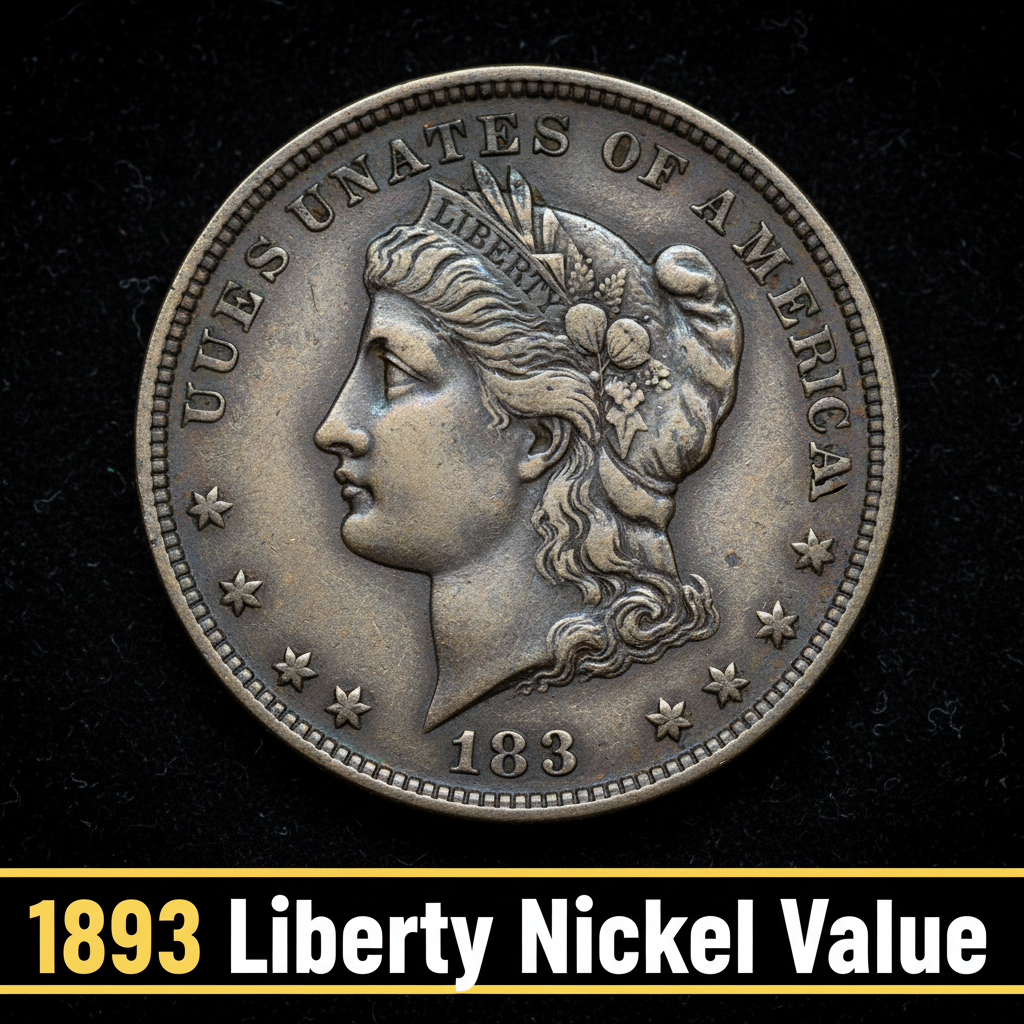
The 1893 Liberty Nickel is part of the Liberty Head Nickel series, designed by Charles Barber and minted from 1883 to 1912. The obverse features the left-facing portrait of Lady Liberty wearing a coronet inscribed with the word “LIBERTY,” surrounded by 13 stars. The reverse displays a large Roman numeral “V” for five cents, surrounded by a wreath of corn, cotton, and wheat. These coins were minted entirely at the Philadelphia Mint in 1893, meaning there is no mint mark to look for. The coin is composed of 75% copper and 25% nickel, weighing 5 grams with a diameter of 21.2 mm. While not considered a rare date in the Liberty Nickel series, the 1893 issue is well over 130 years old, and finding one in decent condition is increasingly uncommon. Its age alone makes it a desirable piece for casual collectors and serious numismatists alike.
—
1893 Liberty Nickel Value by Grade
The value of your 1893 Liberty Nickel depends heavily on its condition, which coin experts call “grade.” A coin that has been circulated heavily will show flat details, scratches, and a worn appearance — these are the low-end examples. A coin that was never used in commerce and still shows its original luster is called “mint state” and commands a much higher premium.
Here’s a general value breakdown based on grade:
| Grade | Description | Estimated Value |
|---|---|---|
| Good (G-4) | Heavy wear, outline visible | $2 – $4 |
| Fine (F-12) | Moderate wear, details clear | $8 – $15 |
| Extremely Fine (EF-40) | Light wear on high points | $35 – $60 |
| About Uncirculated (AU-55) | Slight wear, most luster intact | $80 – $140 |
| Mint State (MS-63) | Uncirculated, minor marks | $200 – $400 |
| Mint State (MS-65) | Gem uncirculated, sharp strike | $700 – $1,500+ |
For the most up-to-date 1893 Liberty Nickel mint state price data and auction records, it’s worth checking a trusted coin pricing resource before buying or selling.
—
How to Tell What Grade Your 1893 Liberty Nickel Is
Grading coins at home isn’t an exact science, but you can get a pretty good estimate with a magnifying glass and some patience. Start by examining the high points of the coin — on the 1893 Liberty Nickel, that means the hair above Liberty’s ear, the cheek, and the wreath leaves on the reverse. If these areas are completely smooth and flat, you’re likely looking at a Good or Fine grade coin. If you can still make out fine hair strands and leaf veins, the coin may grade Extremely Fine or better.
Look also at the rim. A well-defined, complete rim is a sign of a better-preserved coin. Check for any cleaning marks or unusual scratches — cleaned coins are generally worth significantly less than naturally toned originals, even if they look shiny. Many people mistakenly clean old coins to make them “look nicer,” which actually destroys collector value.
If you’re serious about selling or insuring your coin, consider sending it to a professional grading service like PCGS or NGC. A certified grade can dramatically increase buyer confidence and often justifies the grading fee.
You can also use CoinHix to get a quick estimate — the CoinHix app makes it easy to look up Liberty Nickel values by grade right from your smartphone.
—
Mintage and Key Facts for the 1893 Liberty Nickel
The Philadelphia Mint struck approximately 13,472,543 Liberty Nickels in 1893. That’s a relatively healthy mintage, which is why this date is considered common in lower grades. However, keep in mind that most of those coins circulated for decades and were eventually lost, melted, or heavily worn. Finding a well-preserved example is far less common than the original mintage numbers suggest.
There are no known major varieties or mint errors for the 1893 Liberty Nickel that command significant premiums among average collectors, though minor die variations exist and attract specialist interest. The coin contains no precious metals, so its value is driven entirely by collector demand, condition, and historical significance rather than melt value.
If you enjoy collecting 19th-century coins, you might also be interested in other silver coinage from the same era. For example, the detailed 1893 Barber Dime value guide covers another coin struck the same year with some fascinating varieties worth knowing about.
—
Where to Sell Your 1893 Liberty Nickel
Once you know what you have, you’ll want to find the right buyer. Options include local coin dealers, online auction platforms like eBay or Heritage Auctions, and coin shows. For common circulated examples in Good to Fine grades, a local coin dealer is often the fastest option, though you may get slightly less than retail value. Higher-grade coins are better sold through auction, where competitive bidding can push prices well above guide value.
Before heading to a dealer, do your homework. Use CoinHix to check recent sale prices so you walk in informed and confident. Knowing the current market value helps you avoid underselling a coin that might be worth more than you expect.
—
FAQ
Q: Is the 1893 Liberty Nickel rare?
A: No, the 1893 Liberty Nickel is not considered rare. With over 13 million minted, it’s one of the more common dates in the Liberty Head Nickel series. However, well-preserved examples in high mint state grades are genuinely scarce and can fetch significant prices.
Q: Does the 1893 Liberty Nickel have a mint mark?
A: No. All 1893 Liberty Nickels were struck at the Philadelphia Mint, which did not use a mint mark on its coins at that time. If you see a coin claiming a mint mark for this date, treat it with caution.
Q: Should I clean my 1893 Liberty Nickel before selling it?
A: Absolutely not. Cleaning a coin — even gently — removes the original surface and patina, which collectors call “toning.” A cleaned coin is almost always worth less than an uncleaned one in the same condition. Leave it as-is and let a professional assess its natural state.