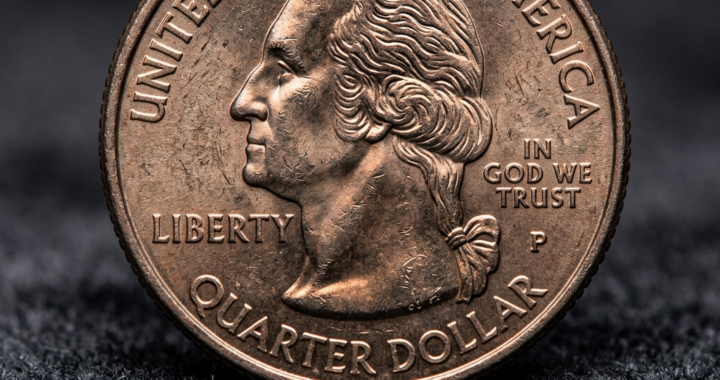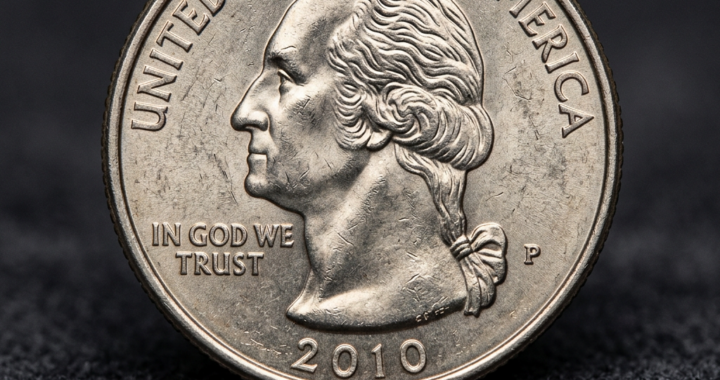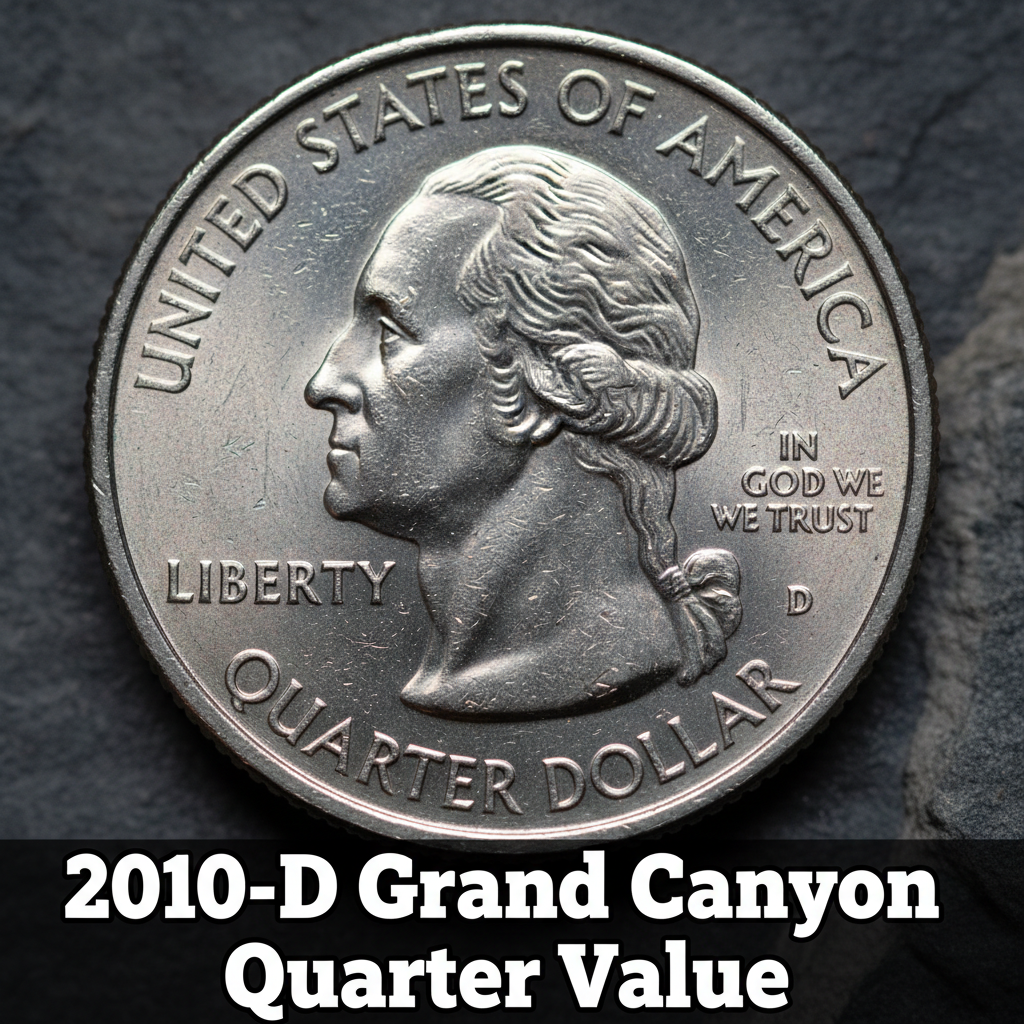
The 2010-D Grand Canyon Quarter is worth between $0.25 and $1 in circulated condition, but well-preserved examples grading MS-65 or higher can fetch $5 to $15 or more from collectors. If you just pulled one out of your change jar, you might be surprised at what it could be worth.
The Grand Canyon quarter is part of the America the Beautiful Quarters program, a series launched by the U.S. Mint in 2010 to celebrate national parks and historic sites across the country. The “D” mintmark tells you this coin was struck at the Denver Mint. Millions of these were made and released into circulation, which means most worn examples you find in pocket change are worth face value. But that doesn’t mean every single one is common — condition is everything. If you’re trying to identify what you have quickly, using the best coin identifier app can save you a lot of time before you dig deeper into research.
What Makes the 2010-D Grand Canyon Quarter Special
The Grand Canyon National Park Quarter was released on June 7, 2010, as the fourth coin in the America the Beautiful series that year. The reverse design features a stunning view of the Grand Canyon from the south rim, designed by Phebe Hemphill and engraved by Charles Vickers. It captures the layered canyon walls and a tree in the foreground — a truly iconic American landscape frozen in metal.
The obverse carries the familiar portrait of George Washington by John Flanagan, which has appeared on quarters since 1932. The coin’s composition is the standard clad sandwich — copper-nickel over a pure copper core — used in circulation strikes since 1965. The Denver Mint produced over 223 million of these coins, making it one of the higher-mintage issues in the series. That volume is a key reason most circulated examples trade at or near face value. Still, finding one in pristine, uncirculated condition is worth your attention.
2010-D Grand Canyon Quarter Value by Grade
Coin values depend heavily on condition, and the Grand Canyon quarter is no exception. Here’s a simple breakdown of what you can expect at different grade levels:
| Grade / Condition | Description | Estimated Value |
|---|---|---|
| Circulated (G–VF) | Worn, details visible but flat | $0.25 (face value) |
| Extremely Fine (EF-45) | Light wear on high points | $0.50 – $1 |
| Mint State (MS-63) | Uncirculated, minor bag marks | $2 – $4 |
| Mint State (MS-65) | Gem uncirculated, sharp luster | $5 – $10 |
| Mint State (MS-67+) | Superb gem, nearly flawless | $15 – $50+ |
For the most current market data on similar coins in this series, you can check out detailed price records for America the Beautiful quarters in mint state grades to get a better sense of where the market is trending.
Proof and Special Mint Versions of This Quarter
Beyond the standard Denver Mint circulation strike, the U.S. Mint also produced special collector versions of the 2010 Grand Canyon Quarter. Proof coins were struck at the San Francisco Mint and feature mirror-like backgrounds with frosted, cameo designs. These are significantly more detailed and visually stunning than a regular circulation coin.
A standard clad proof Grand Canyon quarter typically sells for $3 to $8. The silver proof version — made from 90% silver — is more valuable and can bring $10 to $20 depending on condition and demand. These were sold directly by the Mint in annual proof sets and were never meant for circulation, so they usually survive in excellent condition. If you have a “S” mintmark on your coin, you’re likely looking at a proof issue worth more than a typical circulated example.
How to Check Your 2010-D Grand Canyon Quarter Value Today
The fastest way to get an accurate value is to assess the coin’s condition honestly, then compare it against recent auction results and price guides. Look at the high points of the design under good lighting — if the raised details are worn flat, it’s likely circulated. If the luster is intact and no wear is visible, you might have an uncirculated coin worth grading.
Apps like CoinHix make this process much easier. With CoinHix, you can scan your coin and get real-time pricing data, historical auction records, and grade estimates right from your phone. It’s a great starting point for everyday collectors who aren’t sure what they have. You can also browse a full breakdown of 2010 quarter values across all mint marks and conditions to compare your coin against known price benchmarks. If you think your coin grades MS-65 or higher, it may even be worth submitting to a professional grading service like PCGS or NGC to lock in that value.
FAQ
Q: Is the 2010-D Grand Canyon Quarter rare?
A: Not in general circulation. The Denver Mint struck over 223 million of them, so they’re common in used condition. However, examples graded MS-67 or higher are rare and can sell for $15 to $50 or more at auction.
Q: How do I know if my Grand Canyon Quarter is worth getting graded?
A: If the coin shows no visible wear, has strong original luster, and looks nearly flawless under magnification, it could grade MS-65 or better. At that point, professional grading might be worthwhile. CoinHix can help you do a quick preliminary check before spending money on submission fees.
Q: What’s the difference between the 2010-D and 2010-P Grand Canyon Quarter?
A: The main difference is the mint of origin — “D” for Denver, “P” for Philadelphia. Both had large mintages and similar values in circulated condition. In high mint state grades, slight differences in strike quality and population reports can cause minor value differences between the two.