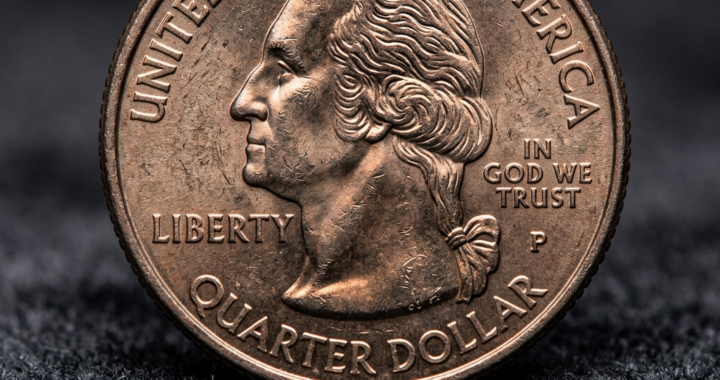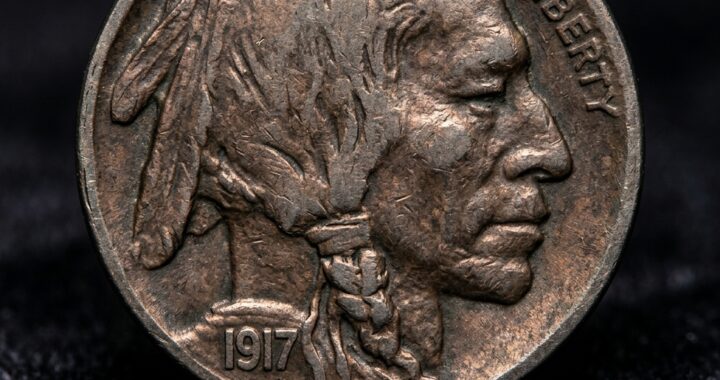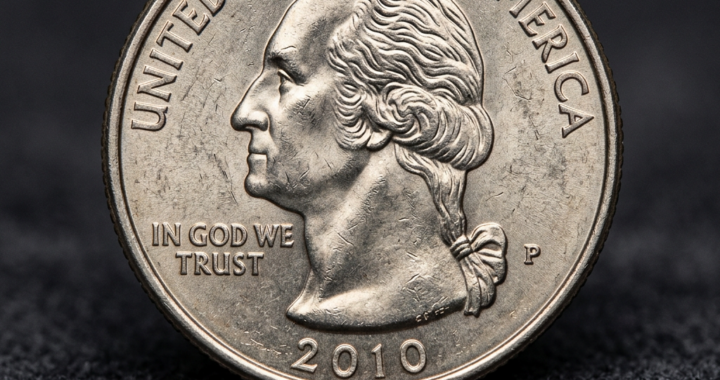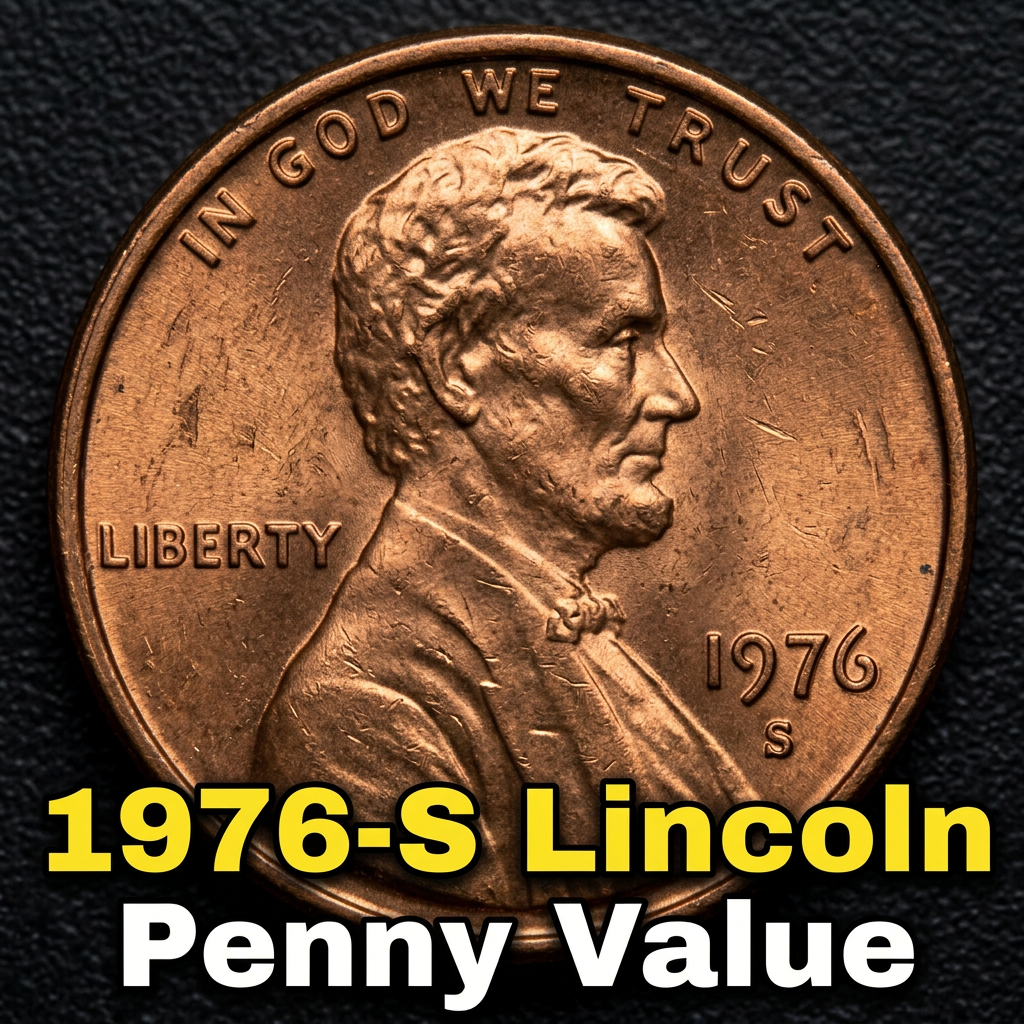
The 1976-S Lincoln Penny is worth anywhere from a few cents in circulated condition to over $10 or more in pristine mint state, with proof versions fetching $3 to $15 depending on grade. If you found one of these coins in your collection or an old jar, you might be sitting on something more interesting than you think.
What Makes the 1976-S Lincoln Penny Special
The “S” mint mark on a 1976 Lincoln penny tells you right away that this coin was struck at the San Francisco Mint. Unlike the Philadelphia and Denver mint coins made for circulation, the 1976-S was produced exclusively as a proof coin — meaning it was never intended to pass through cash registers or vending machines. These coins were carefully struck using polished dies and specially prepared planchets, giving them a mirror-like finish and sharp, detailed features that regular pennies simply don’t have.
This makes the 1976-S a favorite among collectors who appreciate the craftsmanship behind proof coinage. The San Francisco Mint included these pennies in annual proof sets sold directly to collectors, so most of them have been well-preserved over the decades. If you’re not sure whether your coin is a proof or a regular strike, using the best coin identifier app can help you quickly identify the type, grade, and potential value of what you have in hand.
The coin itself still features the iconic Victor David Brenner design on the obverse — Abraham Lincoln’s portrait — and the Lincoln Memorial reverse designed by Frank Gasparro. In 1976, this reverse had been in use since 1959, making the design well-established and familiar.
1976-S Lincoln Penny Value by Grade and Condition
Because the 1976-S was a proof coin, its grading works a little differently from circulation coins. Numismatists use the PR (Proof) scale rather than the MS (Mint State) scale. A coin’s value can vary significantly depending on whether it has been carefully stored or exposed to wear, scratches, or environmental damage.
Here’s a quick breakdown of typical values for the 1976-S Lincoln Penny:
| Grade | Description | Estimated Value |
|---|---|---|
| PR-60 | Proof, noticeable blemishes | $1 – $2 |
| PR-63 | Choice Proof, minor marks | $2 – $4 |
| PR-65 | Gem Proof, very few marks | $4 – $8 |
| PR-67 | Superb Gem Proof | $8 – $15 |
| PR-69 DCAM | Deep Cameo, near perfect | $15 – $50+ |
For the most accurate and up-to-date figures, you can check the 1976 Lincoln Penny price data on CoinHix, which tracks real auction results and market trends. The CoinHix app is a great resource whether you’re a seasoned collector or just starting out.
Deep Cameo vs Regular Proof — Does It Matter?
Absolutely — and this is where things get exciting for collectors. Proof coins come in different cameo designations. A standard proof has reflective fields, but a Deep Cameo (DCAM) or Ultra Cameo proof has frosted, matte-like devices (the raised design elements) contrasting sharply against mirror-bright fields. This dramatic visual effect makes DCAM coins far more desirable.
A 1976-S Lincoln Penny graded PR-65 DCAM can be worth significantly more than a plain PR-65 proof. If your coin shows that striking contrast between a frosty Lincoln portrait and a glassy background, you may have the more valuable version. This is something CoinHix helps collectors identify and price quickly — just scan or enter your coin’s details and you’ll get a grade-based value estimate right away.
Certification from PCGS or NGC also plays a big role. A slabbed, certified coin commands higher prices than a raw coin because buyers trust the grade assigned by professional numismatists.
How Many 1976-S Pennies Were Made
The U.S. Mint struck approximately 4,149,730 proof sets in 1976, each containing a 1976-S Lincoln Penny. While that sounds like a lot, many of those coins have been lost, broken up from sets, or improperly stored over the past five decades. High-grade surviving examples, especially in DCAM condition, are far less common than the original mintage suggests.
If you want a fuller picture of what the market looks like right now, the detailed 1976 penny value breakdown at Coin Value App covers mintage history, error varieties, and current pricing across all grades and mint marks. It’s a solid reference for anyone comparing their coin to recent sales.
Tips for Selling or Grading Your 1976-S Penny
Before you sell, take a few smart steps. First, avoid cleaning the coin — even gentle polishing destroys surface luster and drops the value immediately. Second, store it in a protective flip or original proof set holder. Third, consider having it professionally graded by PCGS or NGC if you believe it’s a high-grade specimen, since certification typically increases buyer confidence and sale price.
You can list your coin on eBay, visit a local coin dealer, or use platforms like Heritage Auctions for higher-value examples. Using CoinHix to compare recent sold prices before listing will help you set a realistic asking price and avoid leaving money on the table.
FAQ
Q: Is a 1976-S Lincoln Penny rare?
A: It’s not rare in the traditional sense, since millions were produced as part of proof sets. However, high-grade examples — especially those graded PR-67 or above with Deep Cameo designation — are considerably harder to find and more valuable to collectors.
Q: Can I find a 1976-S penny in circulation?
A: Very unlikely. The 1976-S was made exclusively as a proof coin for collector sets, not for everyday use. If someone claims to have found one in change, it’s worth double-checking the mint mark, as Philadelphia and Denver struck regular circulation pennies that year without an “S” mark.
Q: What is the most valuable 1976-S Lincoln Penny ever sold?
A: Top-tier examples graded PR-69 DCAM by PCGS or NGC have sold at auction for $50 to well over $100, depending on eye appeal and timing. The finest known specimens with perfect surfaces and strong cameo contrast attract the most competitive bidding.