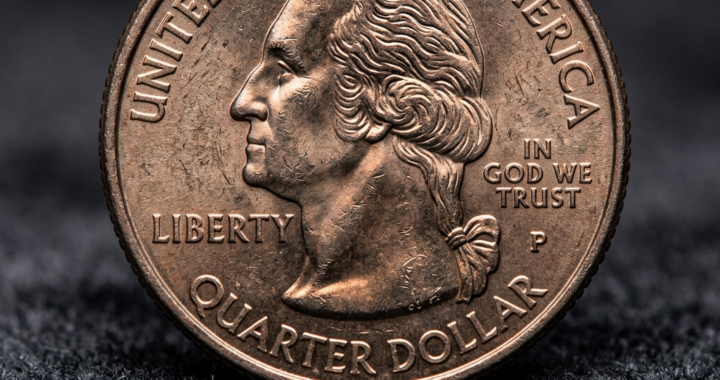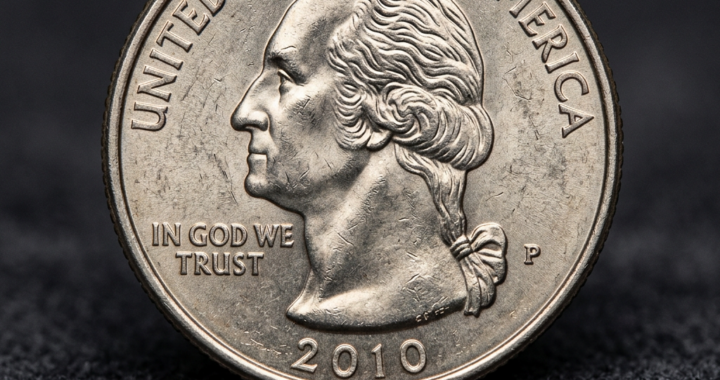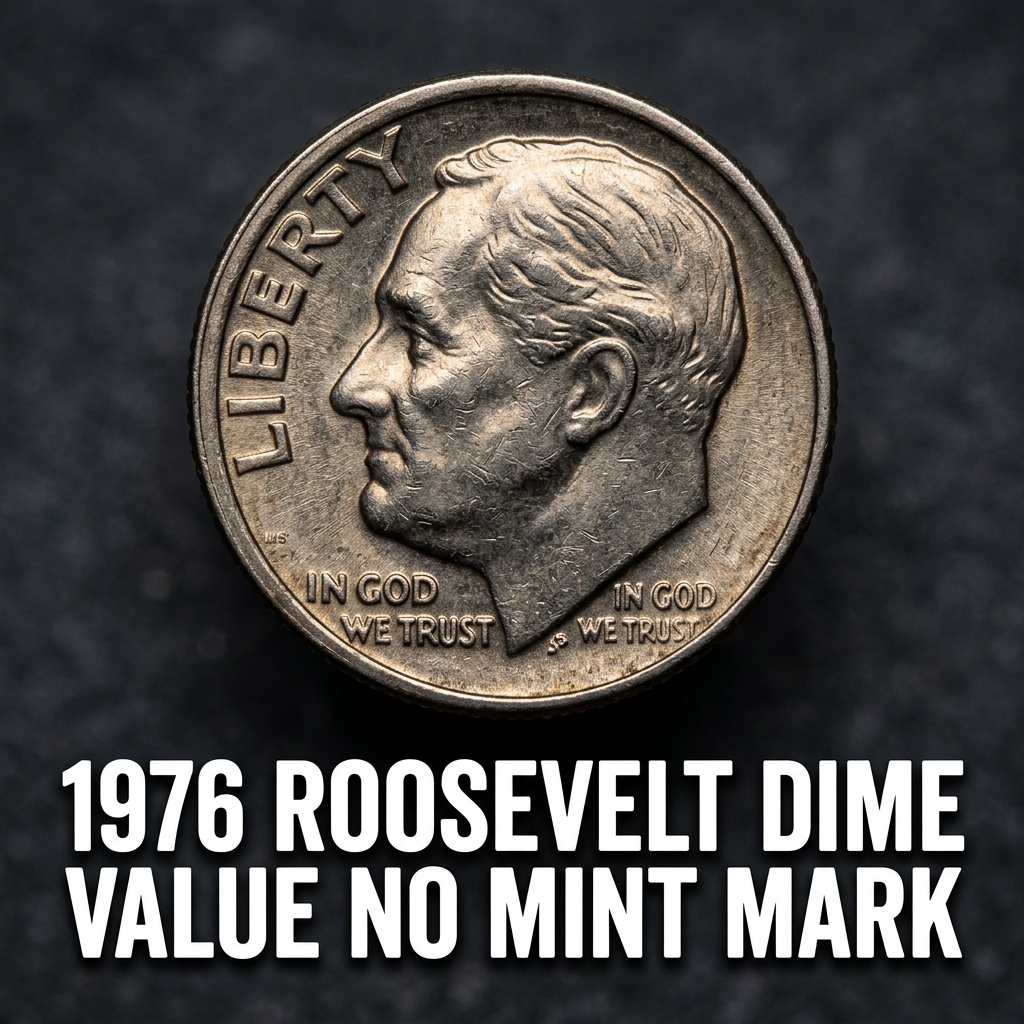
The 1976 Roosevelt Dime with no mint mark is worth anywhere from face value (10 cents) in heavily worn condition to around $3–$10 in uncirculated grades, with exceptional specimens grading MS67 or higher sometimes fetching $50 or more at auction. If you’ve found one of these coins in a drawer or old jar, read on — you might be pleasantly surprised.
—
What Is the 1976 Roosevelt Dime No Mint Mark?
The 1976 Roosevelt Dime with no mint mark was produced at the Philadelphia Mint. During this era, Philadelphia did not place a mint mark on its coins — that practice didn’t return until 1980 — so the absence of a “P” is completely normal and doesn’t make your coin rare. Billions of these dimes entered circulation, which is why most worn examples are still worth only their face value of 10 cents.
That said, not every 1976 dime is created equal. Coin condition, luster, and strike quality all play a major role in determining what a collector will pay. If you’re new to coin collecting and want to quickly identify and grade your coins, using the best coin identifier app can help you get a fast, accurate read on what you’re holding before you head to a dealer.
The coin features Franklin D. Roosevelt on the obverse, a design that has been in place since 1946. On the reverse, you’ll find a torch, olive branch, and oak branch — classic American symbolism that collectors appreciate.
—
How Much Is the 1976 Roosevelt Dime No Mint Mark Worth?
Here’s a simple breakdown of values based on coin grade:
| Grade | Condition | Estimated Value |
|---|---|---|
| Good (G-4) | Heavily worn | $0.10 (face value) |
| Fine (F-12) | Moderate wear | $0.10–$0.25 |
| Extremely Fine (EF-40) | Light wear on high points | $0.50–$1.00 |
| Mint State (MS-63) | Uncirculated, minor blemishes | $1.50–$3.00 |
| Mint State (MS-65) | Gem uncirculated | $5.00–$10.00 |
| MS-67+ | Superb gem | $50.00–$200.00+ |
For the most up-to-date pricing data on certified examples, you can check out the 1976 Roosevelt Dime MS grade price history on CoinHix, which tracks auction results and dealer prices in real time. CoinHix is a powerful resource for anyone who wants to stay current on coin market values.
—
Are Any 1976 No Mint Mark Dimes Valuable?
Most 1976 Philadelphia dimes aren’t worth much in circulated condition, but there are a few scenarios where your coin could be a real find.
High-grade specimens: A coin that never touched circulation and has been stored properly since 1976 can earn a premium. MS-67 and above coins are genuinely scarce, because even coins that were never spent often picked up bag marks or weak strikes during the minting process.
Error coins: This is where things get exciting. Some 1976 dimes were struck with doubling on the date or lettering (known as doubled die errors), off-center strikes, or die cap errors. These error coins can be worth anywhere from $20 to several hundred dollars depending on the type and severity of the error. Always examine your coins carefully under magnification.
Full Bands designation: Certified coins graded by PCGS or NGC with a “Full Bands” (FB) designation — meaning the horizontal bands on the torch are fully struck — tend to command a noticeable premium over standard MS coins.
—
1976 No Mint Mark Dime vs. Other 1976 Dimes
In 1976, Roosevelt dimes were produced at three facilities: Philadelphia (no mint mark), Denver (D), and San Francisco (S — proof only). Here’s a quick comparison:
| Mint | Mint Mark | Mintage | Typical Value (MS) |
|---|---|---|---|
| Philadelphia | None | 568,760,000 | $1–$10+ |
| Denver | D | 695,222,774 | $1–$10+ |
| San Francisco | S (Proof) | 4,149,730 | $3–$15+ |
The Philadelphia issue had a slightly lower mintage than Denver, though both are considered very common coins. The San Francisco proof version, with its mirror-like finish, is generally the most attractive of the three and tends to appeal more to collectors. For a detailed breakdown of 1976 dime values across all mint marks and grades, that guide covers everything you’d want to know in one place.
—
How to Check Your 1976 Roosevelt Dime’s Value at Home
You don’t need to be an expert to get a good sense of what your coin is worth. Here are a few steps to get started:
1. Check the condition. Look at how sharp the details are on Roosevelt’s hair and the torch on the reverse. More detail = higher grade = more value.
2. Look for errors. Use a 10x magnifier to check for doubling on the date or letters.
3. Use a coin app. CoinHix lets you search by year, mint mark, and grade to see real-time market prices — no guesswork required.
4. Consider getting it graded. If your coin looks exceptional (no scratches, full luster, sharp details), submitting it to PCGS or NGC for professional grading could unlock significant premium value.
5. Compare recent sales. Auction records from Heritage Auctions or eBay sold listings give you a realistic picture of what collectors are actually paying.
If you want an even faster way to identify your coin and explore its value, CoinHix is one of the most user-friendly tools available for casual collectors and beginners alike.
—
FAQ
Q: Is a 1976 Roosevelt Dime with no mint mark rare?
A: No. The Philadelphia Mint produced over 568 million of them in 1976, making this one of the most common modern dimes in existence. The lack of a mint mark is normal for Philadelphia coins of that era and does not indicate rarity.
Q: Could my 1976 no mint mark dime be silver?
A: Almost certainly not. Regular issue Roosevelt dimes from 1965 onward are made of a copper-nickel clad composition. Silver dimes were last produced for general circulation in 1964. The only silver 1976 dimes are special collector’s edition proof versions struck at San Francisco, and those carry an “S” mint mark.
Q: What makes a 1976 Roosevelt Dime worth big money?
A: The biggest value drivers are condition (MS-67 or higher), Full Bands strike quality, and error varieties such as doubled dies or off-center strikes. A standard circulated example is worth face value, but a pristine gem-grade specimen or interesting mint error can be worth $50 to several hundred dollars to the right collector.