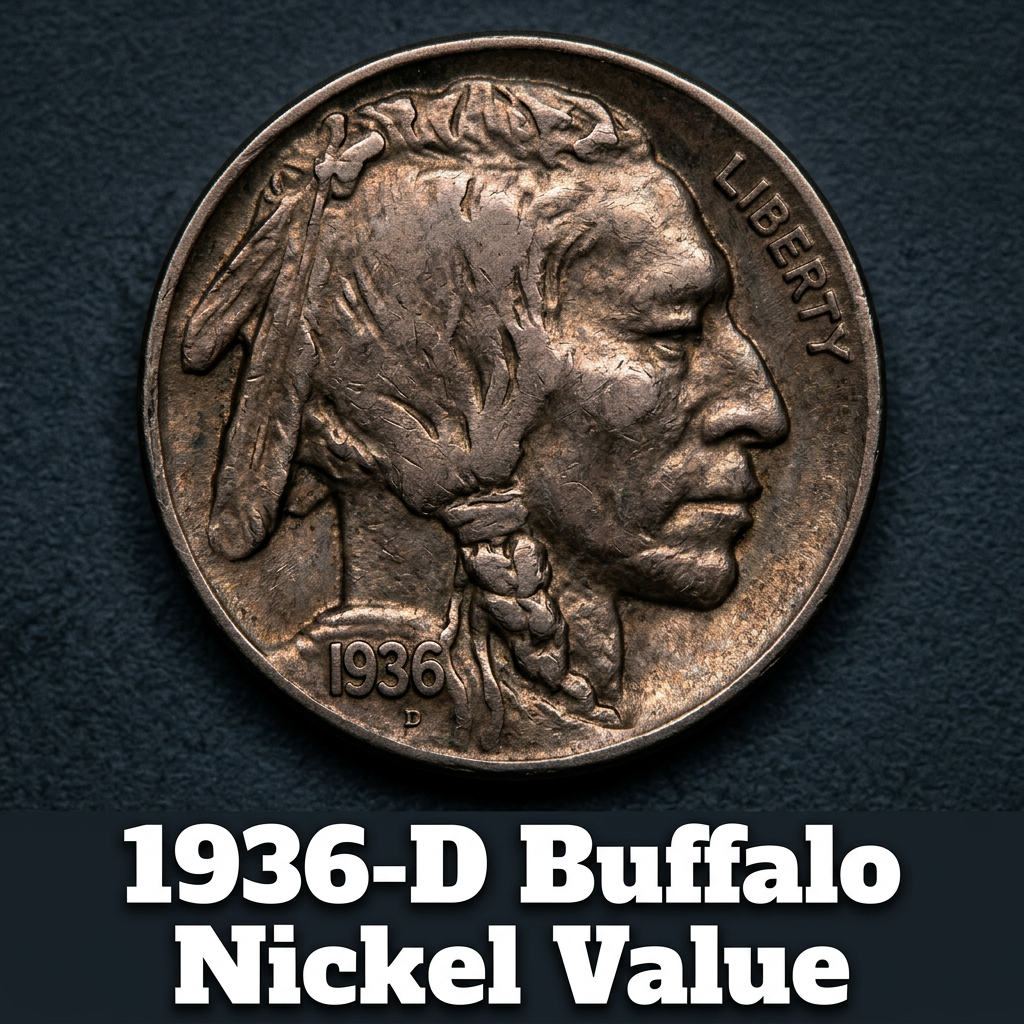
The 1936-D Buffalo Nickel is worth anywhere from $1.50 in heavily worn condition to over $200 or more in mint state — and certain high-grade examples have sold for thousands at auction. If you recently found one of these classic coins, you’re holding a genuine piece of American history.
When you’re trying to figure out what an old coin is worth, condition matters more than almost anything else. A quick scan with the best coin identifier app can help you identify your coin instantly and get a ballpark value before you dive deeper.
What Is the 1936-D Buffalo Nickel?
The Buffalo Nickel, also known as the Indian Head Nickel, was designed by sculptor James Earle Fraser and minted from 1913 to 1938. The “D” mint mark on a 1936 Buffalo Nickel means it was struck at the Denver Mint. In 1936, the Denver Mint produced approximately 24,814,000 Buffalo Nickels — a relatively healthy mintage compared to some other dates in the series.
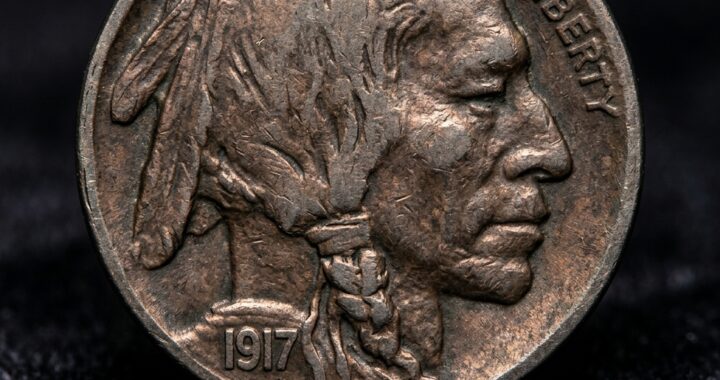
The coin features a bold Native American portrait on the obverse and a Black Diamond bison on the reverse, both based on real models. Fraser’s design is widely considered one of the most artistically striking of any U.S. coin. Because of that appeal, the 1936-D Buffalo Nickel remains a popular coin among collectors and casual hobbyists alike. Whether you found it in grandma’s change jar or dug it out of an estate box, it’s definitely worth a closer look.
1936-D Buffalo Nickel Value by Grade
Coin value is almost entirely determined by grade — the physical condition of the coin. Here’s a straightforward breakdown of what the 1936-D Buffalo Nickel is worth across various grades:
| Grade | Description | Estimated Value |
|---|---|---|
| Good (G-4) | Heavy wear, outline visible | $1.50 – $2.50 |
| Fine (F-12) | Moderate wear, some details remain | $4 – $7 |
| Extremely Fine (EF-40) | Light wear on high points | $15 – $25 |
| About Uncirculated (AU-55) | Slight wear, most luster intact | $35 – $55 |
| Mint State (MS-63) | Uncirculated, minor contact marks | $80 – $130 |
| Mint State (MS-65) | Gem uncirculated, sharp strike | $200 – $400+ |
For a more detailed look at current auction prices and certified coin sales, check out this real-time 1936-D Buffalo Nickel price data in mint state grades — it pulls from actual market transactions so you’re seeing what collectors are really paying.
How to Tell If Your 1936-D Buffalo Nickel Is Worth More
A few key factors can push the value of your 1936-D Buffalo Nickel significantly higher. First, look at the strike quality. Denver Mint coins from this era sometimes had weaker strikes, meaning the details — especially on the bison’s horn and the Native American’s cheekbone — may be softer than ideal. A coin with a sharp, full strike commands a premium.
Second, check for the full horn on the bison. This is one of the first areas to show wear, and a coin where the horn’s tip is still fully defined is considered much more desirable. Third, look at the luster. A coin that still has original mint shine (cartwheel luster) under good lighting is worth considerably more than a dull or cleaned coin. Cleaning actually destroys value, so don’t scrub it.
Finally, professional grading matters. A coin certified by PCGS or NGC in MS-64 or higher can be worth multiples of what a raw (ungraded) coin fetches. Use CoinHix to track what certified examples of this date are selling for in real time — it’s an easy way to stay on top of the market.
Is the 1936-D Buffalo Nickel Rare?
With nearly 25 million minted, the 1936-D Buffalo Nickel is not a rare date in circulated grades. Most collectors can find worn examples for just a couple of dollars. However, in gem uncirculated condition — especially MS-65 and above — well-struck examples become genuinely scarce. The challenge with high-grade Denver Mint Buffalo Nickels is the strike weakness issue, which means truly sharp, lustrous gems are harder to find than the mintage numbers suggest.
So while you probably won’t retire on a circulated 1936-D, a gem example in the right holder can be a meaningful collectible worth hundreds of dollars. For a full breakdown of what your 1936 Buffalo Nickel is worth across all mint marks and grades, there are some excellent resources that walk you through each grade step by step.
How to Find Out What Your Coin Is Worth Today
The easiest starting point is to download CoinHix, which gives you instant access to real market prices for Buffalo Nickels and thousands of other U.S. coins. You can also take your coin to a local coin dealer for a free look, or submit it to PCGS or NGC if you think it might be in mint state condition. If it grades out at MS-64 or better, the certification fee is absolutely worth it. The CoinHix app also lets you track your collection’s value over time, which is a nice bonus for anyone who catches the coin collecting bug.
—
Frequently Asked Questions
Q: Where is the mint mark on a 1936-D Buffalo Nickel?
A: The “D” mint mark is located on the reverse of the coin, below the words “FIVE CENTS” and just above the mound the bison stands on.
Q: Is a cleaned 1936-D Buffalo Nickel still worth collecting?
A: Cleaning significantly reduces a coin’s collector value. A cleaned 1936-D Buffalo Nickel may only be worth its bullion or low circulated value, even if the surfaces look shiny. Collectors strongly prefer original, uncleaned coins.
Q: What is the most valuable Buffalo Nickel ever sold?
A: The 1913 Liberty Head Nickel (technically a transition error) holds the record, selling for millions. Among true Buffalo Nickels, rare dates like the 1916 Doubled Die and certain high-grade gems from low-mintage years command the highest prices at major auctions.