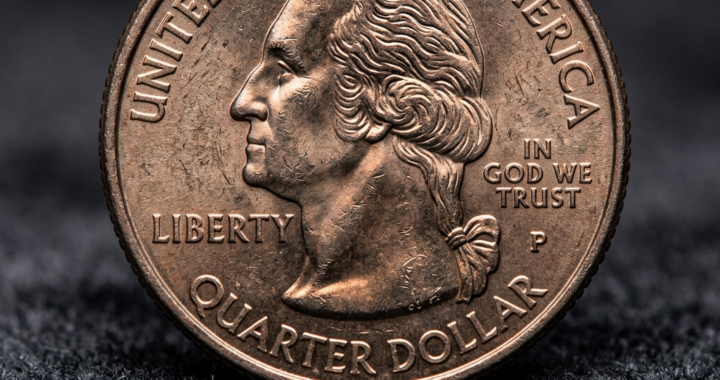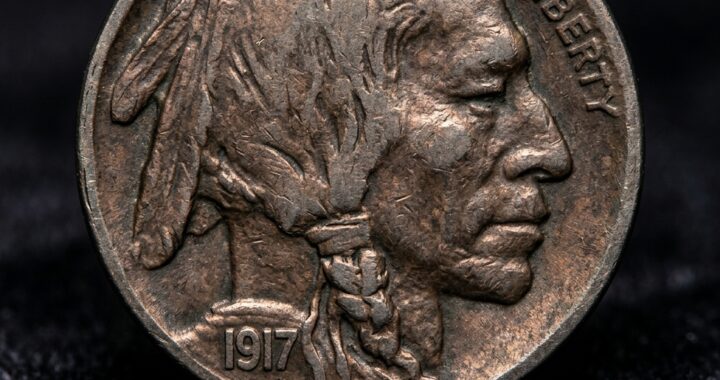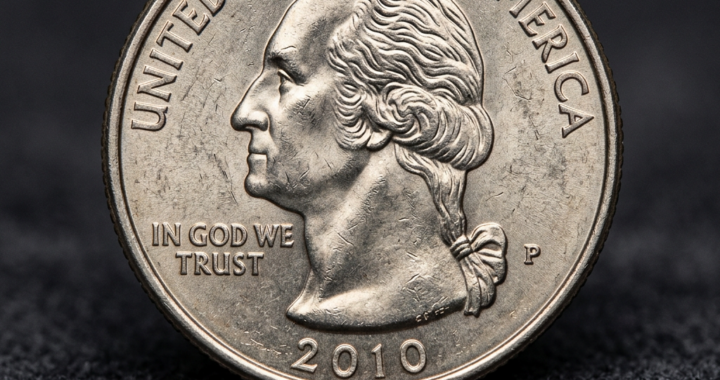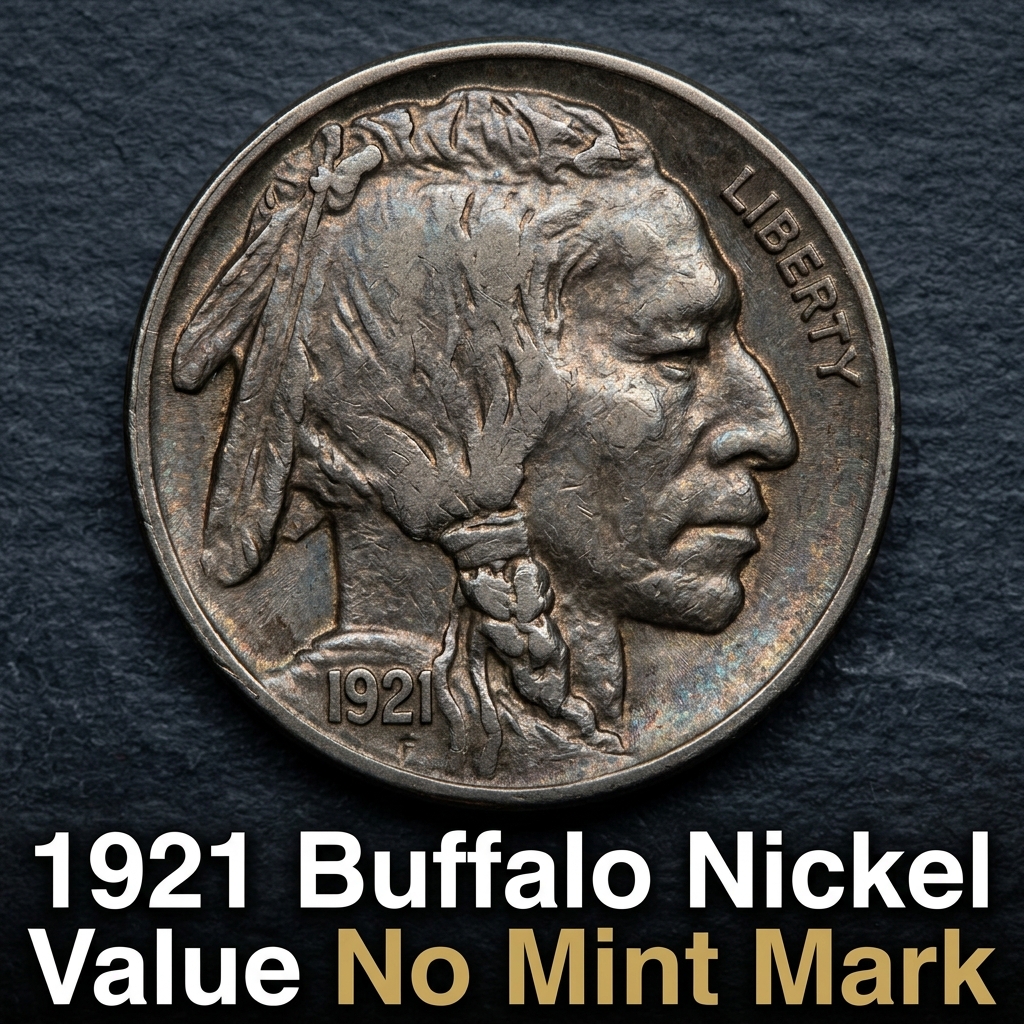
The 1921 Buffalo Nickel with no mint mark is worth anywhere from $10 in heavily worn condition to well over $1,000 in high mint state grades. If you’ve got one sitting in an old jar or found it tucked inside a grandparent’s coin collection, you’re holding a piece of American history that could be worth more than you think.
Before we dive deep into values, it helps to have a reliable tool in your corner. The best coin identifier app can help you quickly identify your coin’s mint mark, date, and approximate condition — saving you time before you head to a dealer or auction.
What Makes the 1921 Buffalo Nickel Special
The Buffalo Nickel, also called the Indian Head Nickel, was designed by James Earle Fraser and minted from 1913 to 1938. The 1921 issue is notable because the Philadelphia Mint produced a relatively modest mintage of just over 10.6 million coins — low compared to some other years in the series. The “no mint mark” designation simply means your coin was struck at the Philadelphia Mint, which traditionally didn’t add a mint mark to its coins during this era.
Because of that modest mintage and the coin’s age, survivors in good condition are genuinely scarce. Most 1921 Buffalo Nickels that show up today are heavily circulated, with the date and bison’s horn rubbed nearly flat. That detail matters a lot when figuring out what your coin is actually worth. Coins that still show full horn detail and a clear date are far more valuable than their worn counterparts, and the difference in price can be dramatic across just a few grade points.
1921 Buffalo Nickel Value by Grade
Coin grading runs from Poor (P-1) at the bottom all the way to Mint State 70 (MS-70) at the top. For everyday collectors and curious finders, here’s a simplified look at what the 1921 Buffalo Nickel no mint mark typically sells for across common grades. You can also explore detailed 1921 Buffalo Nickel mint state price data broken down by grade to get a more precise estimate for your specific coin.
| Grade | Description | Estimated Value |
|---|---|---|
| G-4 (Good) | Heavy wear, date visible but flat | $10 – $15 |
| VG-8 (Very Good) | Moderate wear, some detail remains | $18 – $28 |
| F-12 (Fine) | Even wear, major features clear | $30 – $45 |
| VF-20 (Very Fine) | Light wear on high points | $55 – $80 |
| EF-40 (Extremely Fine) | Slight wear, sharp details | $100 – $140 |
| MS-63 (Mint State) | Uncirculated, some bag marks | $350 – $550 |
| MS-65 (Gem Mint State) | Near-perfect, strong luster | $900 – $1,500+ |
How to Check the Condition of Your 1921 Buffalo Nickel
The single biggest factor in your coin’s value is its grade, which reflects how much wear and damage it has picked up over 100-plus years. Start by looking at the bison’s horn above its head — on worn coins, this detail disappears almost completely. Next, check the Native American’s cheekbones and hair braid on the obverse. If those features still show defined lines and texture, your coin is likely in Fine or better condition.
Also look for any scratches, cleaning marks, or spots. A cleaned coin — even one that looks shiny — is worth significantly less than an original, untouched example. Collectors call this “cleaning damage,” and it’s one of the most common ways a valuable coin loses half its worth before it ever reaches a buyer.
If you’re unsure about the grade, CoinHix makes it easy to get a ballpark estimate right from your phone. Snap a photo, enter the date and mint mark, and the app walks you through the key grading points in plain English.
Where to Get an Accurate 1921 Buffalo Nickel Value
Online price guides are a great starting point, but they reflect average market prices — your specific coin could be higher or lower depending on eye appeal, strike quality, and current demand. For a well-rounded picture, check recent sold listings on auction platforms like eBay or Heritage Auctions, and compare those to published price guides.
For a quick reference you can trust, the 1921 nickel value breakdown at CoinValueApp gives a solid overview across multiple grades and mint marks, which is especially helpful if you’re comparing a no-mint-mark example against the 1921-S (San Francisco) issue. The 1921-S had a much lower mintage and typically commands higher prices across all grades.
You can also use CoinHix to track real-time market prices. The app pulls auction data regularly so you’re not working off numbers that are two years old — a meaningful difference in today’s active collector market.
Should You Get Your 1921 Buffalo Nickel Graded
If your coin appears to be in Extremely Fine or better condition, professional grading through PCGS or NGC is absolutely worth considering. A certified coin in a tamper-evident holder sells for significantly more than a raw coin of the same grade because buyers can trust the grade assigned by a third-party expert. For a coin potentially worth $500 or more, the grading fee is a small investment.
For coins in circulated grades below EF-40, professional grading is usually not cost-effective. A Good or Fine example is worth $10–$45, and grading fees would eat into any profit. In those cases, selling raw to a local dealer or online buyer makes more practical sense. Use CoinHix to get a quick market comparison before you accept any offer — knowing the going rate means you won’t leave money on the table.
FAQ
Q: How do I know if my Buffalo Nickel is from 1921 with no mint mark?
A: Look at the obverse (front) of the coin just below the date — no letter means it was minted in Philadelphia. The date 1921 should appear at the bottom left of the Native American portrait. If the date is worn and hard to read, try using a magnifying glass under good lighting or upload a photo to a coin identifier app for help.
Q: Is the 1921 Buffalo Nickel rare?
A: It’s not considered rare in low circulated grades, but it’s not a common coin either. With a mintage of about 10.6 million, many were lost or heavily worn over time. In mint state condition, it becomes genuinely scarce and desirable to collectors, which is where values really climb.
Q: Can I sell my 1921 Buffalo Nickel online?
A: Yes, platforms like eBay, Great Collections, and Heritage Auctions are popular options. Take clear, well-lit photos of both sides and describe the condition honestly. Checking current sold prices on those platforms first — or using a price tool like CoinHix — will help you set a fair and competitive asking price.