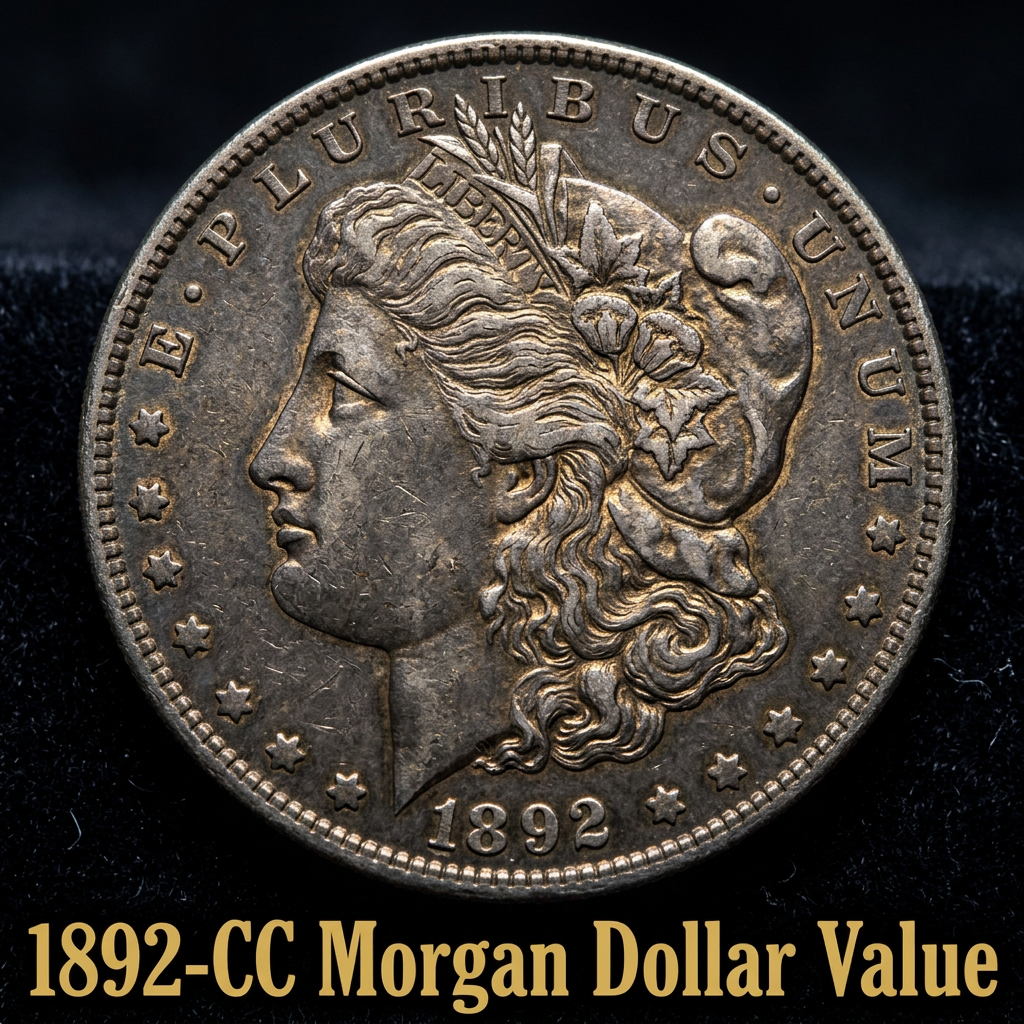
The 1892-CC Morgan Dollar is worth anywhere from $200 in heavily worn condition to well over $5,000 in uncirculated grades — and pristine examples can fetch tens of thousands at auction. If you found one of these silver dollars tucked away in an old collection or family heirloom, you may be sitting on something genuinely valuable.
What Makes the 1892-CC Morgan Dollar Special
The “CC” mintmark on this coin stands for Carson City, Nevada — one of the most legendary and beloved mints in American coinage history. The Carson City Mint operated from 1870 to 1893, and coins struck there consistently command premiums over those from Philadelphia or New Orleans. The 1892-CC Morgan Dollar had a relatively low mintage of just 1,352,000 coins, which sounds like a lot until you realize most of them circulated heavily in the silver-rich American West and were eventually melted down or lost to time.
If you’ve ever used the best coin identifier app to scan an old coin, you already know how satisfying it is to discover exactly what you’re holding. For Carson City Morgans, the excitement is real — these coins are genuinely scarce in higher grades, and even a well-worn example carries serious collector interest. The combination of historic mintmark, limited survival rate, and strong demand from Morgan dollar collectors makes the 1892-CC a standout piece in any collection.
1892-CC Morgan Dollar Value by Grade
The value of your 1892-CC Morgan Dollar depends heavily on its condition, which numismatists measure using the Sheldon scale from 1 (barely identifiable) to 70 (perfect). Here’s a general breakdown of what these coins are worth at different grade levels:
| Grade | Description | Estimated Value |
|---|---|---|
| G-4 (Good) | Heavy wear, major design visible | $200 – $250 |
| VG-8 (Very Good) | Moderate to heavy wear | $260 – $320 |
| F-12 (Fine) | Even wear, all lettering clear | $340 – $420 |
| VF-20 (Very Fine) | Light to moderate wear | $500 – $700 |
| EF-40 (Extremely Fine) | Slight wear on high points | $900 – $1,400 |
| AU-50 (About Uncirculated) | Trace wear, original mint luster | $1,800 – $2,800 |
| MS-60 (Mint State) | No wear, heavy bag marks | $3,500 – $5,000 |
| MS-63 (Choice Uncirculated) | No wear, scattered contact marks | $6,000 – $10,000 |
| MS-65 (Gem Uncirculated) | Strong luster, minimal marks | $30,000+ |
For the most up-to-date pricing across all grades, you can check the 1892-CC Morgan Dollar mint state price data on CoinHix to see recent auction results and certified coin values.
How to Identify a Real 1892-CC Morgan Dollar
Knowing what to look for can save you from counterfeits and help you assess your coin’s authenticity. On the obverse (heads side), you’ll see Lady Liberty facing left with a cap inscribed “LIBERTY,” a wreath of cotton, wheat, and oak, and 13 stars. On the reverse (tails side), an eagle with outstretched wings holds arrows and an olive branch. The words “E PLURIBUS UNUM” curve above the eagle, and “UNITED STATES OF AMERICA” and “ONE DOLLAR” appear around the rim.
Most importantly, look for the small “CC” mintmark on the reverse, just below the eagle’s tail feathers. This tiny detail makes an enormous difference in value — the same coin without the CC mintmark (Philadelphia issue) is worth far less. If you want a quick and easy way to identify what you’re holding, CoinHix is a powerful tool that uses your phone’s camera to scan and identify coins, giving you instant details on mint marks, dates, and values.
Factors That Affect Your 1892-CC Morgan Dollar’s Worth
Beyond grade, several other factors influence what someone will actually pay for your coin. Eye appeal matters enormously — two coins graded the same can look dramatically different, and the one with original luster, well-struck details, and no ugly scratches will always sell for more. Toning is another consideration: attractive original toning can add a premium, while artificial or uneven toning can reduce value.
Certification from PCGS or NGC also plays a major role. A raw (ungraded) coin will almost always sell for less than the same coin in a certified holder, simply because buyers trust the professional assessment. If your coin appears to be in AU or better condition, professional grading is almost always worth the cost. You can find detailed 1892 silver dollar value information including grading tips and what to look for on reputable coin research sites.
Should You Sell, Keep, or Get It Graded
If your 1892-CC Morgan Dollar shows heavy wear, selling it raw to a reputable coin dealer or through an online marketplace like eBay may make the most sense. For coins that appear to be in Very Fine condition or better, strongly consider having it professionally graded — the certification can add hundreds or even thousands to its resale value.
Not sure where to start? CoinHix makes the process simple. You can scan your coin with the app to get an initial estimate, research comparable sales, and even connect with trusted dealers. Whether you’re a first-time seller or a seasoned collector, having the right tools makes a real difference. The 1892-CC Morgan Dollar is a genuinely historic piece of American silver coinage, and understanding its true value is the first step to making a smart decision.
FAQ
Q: How do I know if my Morgan Dollar is from Carson City?
A: Look on the reverse side of the coin, directly below the eagle’s tail feathers. If you see a small “CC” mintmark there, your coin was struck at the Carson City Mint. No mintmark means it came from Philadelphia, which is generally less valuable for this date.
Q: Is the 1892-CC Morgan Dollar rare?
A: It’s considered a scarce date within the Morgan Dollar series, especially in higher grades. The original mintage of about 1.35 million sounds large, but most coins circulated heavily and very few survive in uncirculated condition today, making high-grade examples genuinely rare and valuable.
Q: Where is the best place to sell my 1892-CC Morgan Dollar?
A: Your best options are reputable coin dealers, major auction houses like Heritage Auctions or Stack’s Bowers, or well-established online platforms like eBay. For a quick starting point, use CoinHix to scan your coin and get an estimated value before approaching any buyer — knowing what you have puts you in a much stronger negotiating position.