The 2005-P Minnesota State Quarter is worth anywhere from 25 cents in circulated condition to $15 or more in high-grade mint state, with rare error coins fetching hundreds of dollars. If you’ve pulled one of these out of a change jar or found it at an estate sale, you’re in the right place to learn exactly what you’ve got.
What Is the 2005-P Minnesota State Quarter?
The 2005-P Minnesota State Quarter was minted at the Philadelphia Mint as part of the United States Mint’s 50 State Quarters Program, which ran from 1999 to 2008. Minnesota was the 32nd state honored in the series, and its quarter features a beautiful design showing a common loon on a lake, surrounded by trees and a shoreline — a nod to Minnesota’s famous lakes and natural landscape. The reverse inscription reads “Land of 10,000 Lakes,” which makes this coin instantly recognizable to anyone from the upper Midwest.
Over 672 million of these coins were struck at the Philadelphia Mint alone, which means they’re not rare in circulated form. However, that doesn’t make them worthless — condition, errors, and collector demand all play a role in what your coin is actually worth. If you’re trying to identify your coin quickly, try using the best coin identifier app to scan and confirm what you have before diving into valuation.
2005-P Minnesota Quarter Value by Grade
Most 2005-P Minnesota quarters you’ll find in pocket change are worth face value — 25 cents. But once you move into uncirculated territory, values start to climb. A coin graded MS-63 (a typical “nice” uncirculated coin with minor bag marks) is generally worth around $1 to $3. Move up to MS-65 and you’re looking at $5 to $8. At the top of the scale, an MS-67 example — which is nearly perfect — can sell for $15 to $30 or more at auction.
Here’s a quick breakdown of approximate values based on grade:
| Grade | Description | Estimated Value |
|---|---|---|
| Circulated (VF-XF) | Normal wear from use | $0.25 |
| MS-63 | Uncirculated, minor marks | $1 – $3 |
| MS-65 | Gem uncirculated | $5 – $8 |
| MS-67 | Superb gem, nearly perfect | $15 – $30+ |
| Error Coin (varies) | Die gouges, extra trees, etc. | $50 – $300+ |
The Famous 2005-P Minnesota Quarter Error Coins
This is where things get exciting. The 2005-P Minnesota quarter is one of the most talked-about error coins in the entire 50 State Quarters series. A significant number of coins were struck with what collectors call “extra tree” errors — die gouges on the reverse that created additional tree lines in the design, making it look like there are extra trees on the shoreline.
These errors come in multiple varieties, and some are more dramatic — and more valuable — than others. A mild extra tree error might fetch $50 to $100 in decent condition, while a prominent, well-defined error on a high-grade coin has sold for $200 to $300 at major auction houses. PCGS and NGC have certified many of these error coins, and having one slabbed (professionally graded and encased) significantly increases buyer confidence and resale value.
If you think you might have one of these errors, look closely at the tree area on the left side of the coin’s reverse design. Extra lines, doubled tree shapes, or unusual die marks are your clues. You can also explore certified sales data for 2005-P State Quarter prices at major grading tiers to compare what similar coins have actually sold for in recent auctions.
How to Check If Your 2005-P Minnesota Quarter Is Worth More
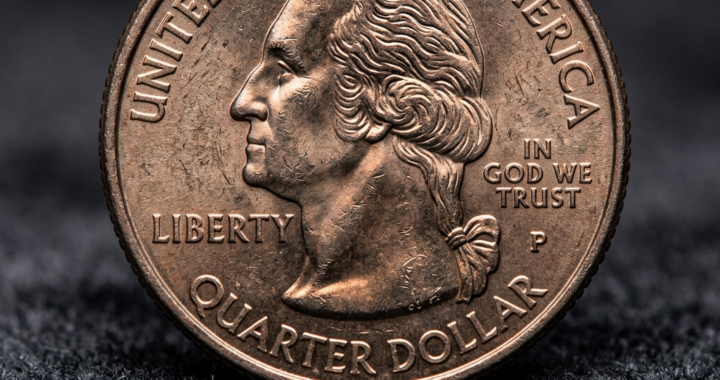
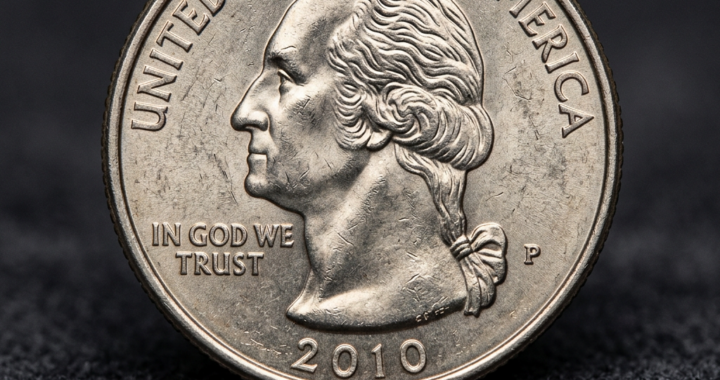
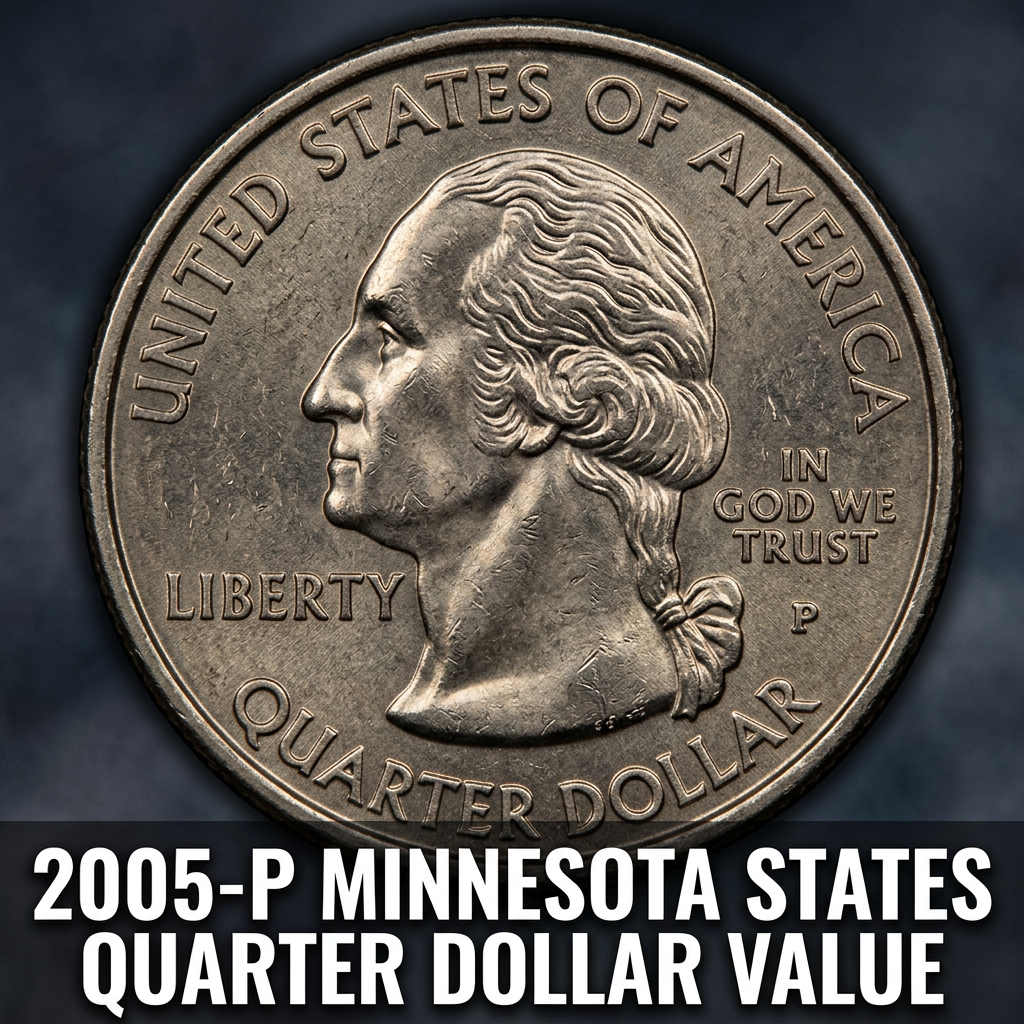
Start by checking the coin under good lighting — a magnifying glass helps. Look for the “P” mintmark on the obverse (front) of the coin, just to the right of Washington’s portrait. That tells you it was struck in Philadelphia. Then flip it over and examine the reverse carefully for any unusual features, extra design elements, or striking anomalies.
Condition matters enormously. A coin that was never spent — pulled straight from a mint roll and stored properly — is worth significantly more than one that’s been bouncing around in a cash register drawer for 20 years. If your coin has no visible scratches, retains its original luster, and shows sharp details, it may grade MS-65 or higher.
For a fast and reliable estimate, CoinHix is a great tool that allows you to look up certified coin values, recent sales, and population reports all in one place. Many collectors use CoinHix regularly to stay updated on market prices before buying or selling. You can also check out detailed 2005 quarter value data including grade-by-grade price breakdowns for an easy-to-read reference guide.
Is the 2005-P Minnesota Quarter Worth Collecting?
For most people, a circulated 2005-P Minnesota quarter is just a quarter. But for collectors who enjoy the 50 State Quarters series, it holds real appeal — especially because of those famous error varieties. It’s also a historically interesting coin representing a beautiful state with a strong cultural identity.
If you’re building a complete 50 State Quarters set, you’ll definitely need this one. And if you’re lucky enough to have one of the extra tree error coins, you’ve got something genuinely collectible on your hands. The state quarters program introduced millions of Americans to coin collecting, and the 2005-P Minnesota quarter remains one of its most memorable entries.
For serious collectors who want to track values over time and get notified when prices move, CoinHix offers a convenient portfolio tracker and price alert system that takes the guesswork out of knowing when to buy or sell.
FAQ
Q: How do I know if my 2005-P Minnesota quarter has the extra tree error?
A: Look at the tree area on the left side of the coin’s reverse under magnification. If you see extra lines, an additional tree trunk, or unusual die marks that don’t match a standard coin, you may have an error variety. Comparing your coin to images of confirmed error examples online is the best first step.
Q: What is the most valuable 2005-P Minnesota quarter ever sold?
A: The highest-value examples are typically dramatic extra tree error coins graded MS-66 or MS-67 by PCGS or NGC. Some of these have sold for $200 to $300 or more at auction, though values vary depending on the specific error type, grade, and current collector demand.
Q: Should I clean my 2005-P Minnesota quarter before having it graded?
A: No — never clean a coin you want to have professionally graded. Cleaning causes microscopic scratches and removes original surface luster, which will lower the grade significantly. Graders can easily detect cleaned coins, and a cleaned coin is worth far less than an unaltered one in the same physical condition.