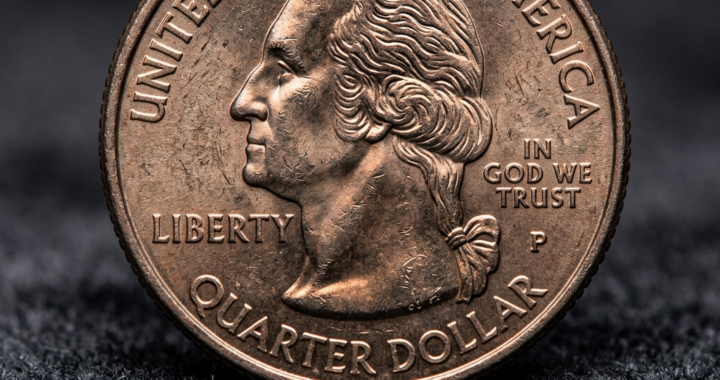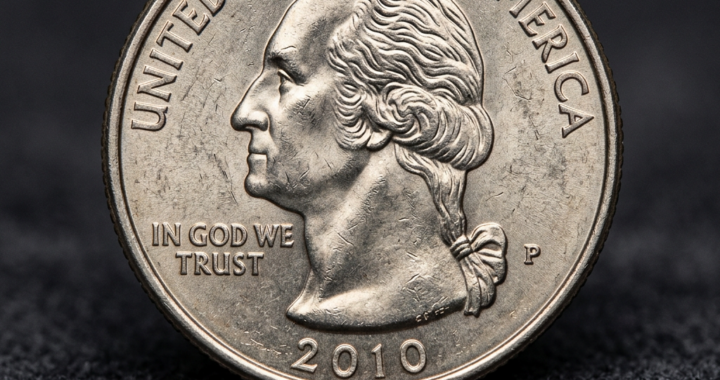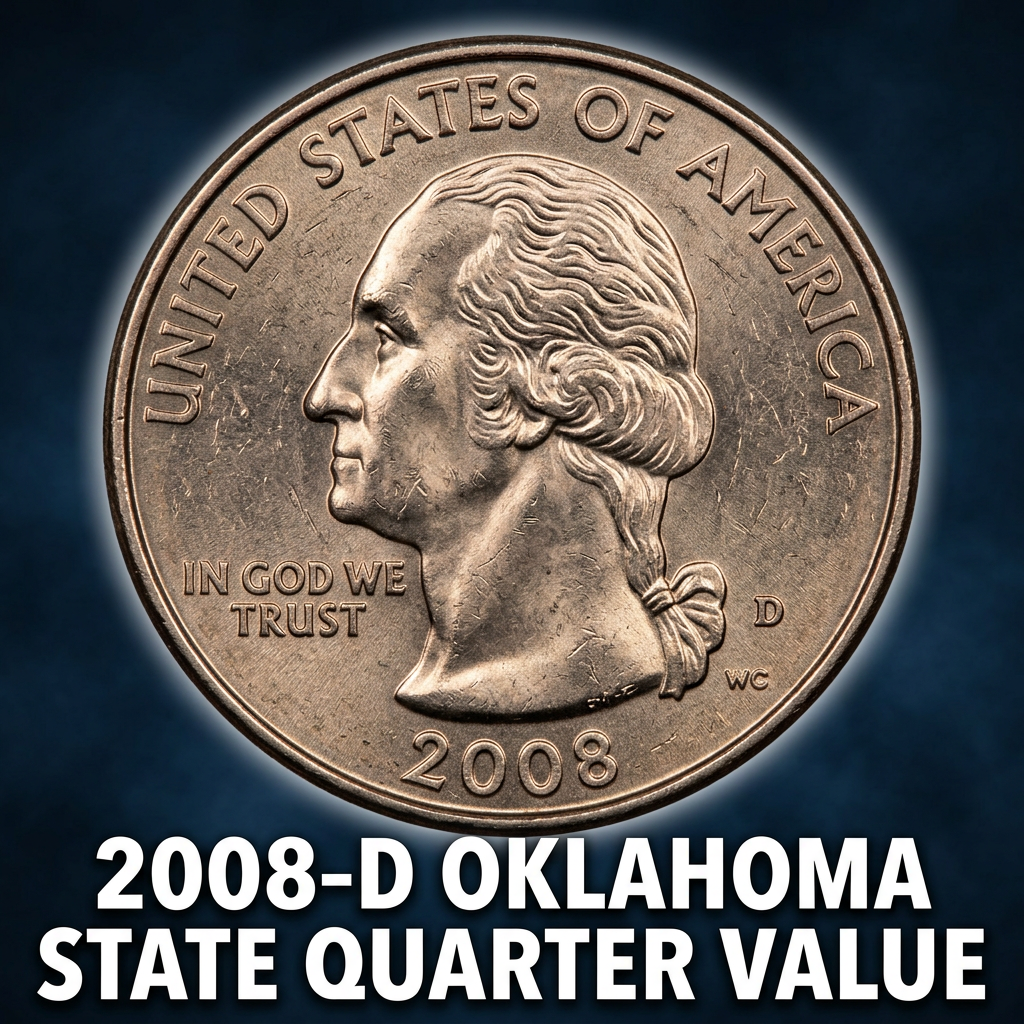
The 2008-D Oklahoma State Quarter is worth anywhere from face value (25 cents) in heavily worn condition to around $5–$15 or more in uncirculated grades, with top-tier mint state examples occasionally fetching $50 or higher at auction. If you found one in your change or tucked away in an old jar, you’re in the right place to find out exactly what you’ve got.
—
What Is the 2008-D Oklahoma State Quarter?
The 2008-D Oklahoma State Quarter was struck at the Denver Mint as part of the United States Mint’s 50 State Quarters Program, which ran from 1999 to 2008. Oklahoma was the 46th state to be featured in the series. The reverse design celebrates the state’s natural heritage, showcasing a Scissor-tailed Flycatcher — Oklahoma’s state bird — perched on a branch, surrounded by the state wildflower, Indian Blanket. The design is simple but elegant, and it’s one of the more visually appealing coins from the final year of the program.
The “D” mintmark tells you the coin was produced in Denver, Colorado. Denver struck hundreds of millions of these quarters, which means they’re not particularly rare in circulated grades. However, condition is everything when it comes to coin collecting, and even common coins can hold surprising value when they’re in pristine, uncirculated condition. If you’re not sure whether your coin is circulated or uncirculated, using the best coin identifier app can help you quickly grade and identify what you’re holding before you decide to sell or keep it.
—
2008-D Oklahoma Quarter Value by Grade
Most 2008-D Oklahoma quarters found in everyday circulation are worth exactly 25 cents — their face value. But once you move into mint state territory, the numbers start climbing. Here’s a quick breakdown of typical values based on condition:
| Grade | Condition Description | Estimated Value |
|---|---|---|
| Circulated (G–VF) | Worn, details visible but soft | Face value – $0.50 |
| Extremely Fine (EF-45) | Light wear on high points only | $0.50 – $1.50 |
| Mint State 63 (MS-63) | Uncirculated, some contact marks | $2 – $5 |
| Mint State 65 (MS-65) | Gem uncirculated, sharp strike | $5 – $15 |
| Mint State 67+ (MS-67+) | Superb gem, nearly flawless | $50 – $150+ |
For the most current and accurate pricing, you can check out real-time 2008 Oklahoma State Quarter price data across mint state grades, which is regularly updated based on actual auction results and dealer sales.
—
How Mintage Numbers Affect the 2008-D Oklahoma Quarter’s Worth
The Denver Mint produced approximately 194,600,000 of the 2008-D Oklahoma State Quarters. That’s nearly 195 million coins — a massive number by any standard. High mintage generally keeps values modest for circulated examples because there’s no shortage of supply. Collectors aren’t scrambling to find one.
However, high mintage doesn’t mean high-grade examples are easy to find. Most of those coins went directly into circulation and picked up contact marks, scratches, and wear almost immediately. Truly gem-quality specimens — those graded MS-66 or higher by services like PCGS or NGC — represent a small fraction of the original mintage. That’s why the value gap between a circulated coin (worth a quarter) and a superb gem (worth $50+) is so dramatic. Rarity at the top grades is real, even for common coins.
—
Error Coins and Special Varieties Worth More
One area where 2008-D Oklahoma quarters can really surprise you is in error coins. The U.S. Mint occasionally produces coins with striking mistakes — and these errors can multiply a coin’s value many times over. Here are the most notable types to look for:
– Double Die Obverse (DDO): Look closely at “IN GOD WE TRUST” or “LIBERTY” with a magnifying glass. If the lettering appears doubled or shadowed, you may have a valuable variety.
– Off-Center Strikes: If the design is noticeably shifted off-center, with a blank crescent visible on one side, that’s an error coin. Depending on the degree of off-centering, these can be worth $20–$200.
– Die Cap and Brockage Errors: Rare but dramatic striking errors that produce highly unusual-looking coins worth hundreds of dollars.
If you suspect you have an error coin, CoinHix is one of the best tools available to help you identify it quickly. The CoinHix app lets you scan your coin, compare it to known varieties, and get an instant estimated value — perfect for everyday people who don’t have years of numismatic experience.
To further explore 2008 quarter values across all five state designs released that year, this comprehensive 2008 quarter value guide breaks down each coin’s worth in detail and is a great companion resource.
—
Tips for Selling or Keeping Your 2008-D Oklahoma Quarter
If your coin is circulated, it’s probably best kept as a keepsake or added to a complete State Quarter set — the sentimental and set-completion value often outweighs any monetary gain. But if you believe you have an uncirculated or error coin, here’s what to do:
1. Don’t clean it. Cleaning a coin destroys its surface and dramatically reduces its numismatic value.
2. Store it properly. Use a coin flip, 2×2 holder, or airtight capsule to prevent further wear or oxidation.
3. Get it graded. Submit high-quality examples to PCGS or NGC for professional grading. A certified grade adds credibility and can significantly increase resale value.
4. Use digital tools. Apps like CoinHix make it easy to snap a photo, identify your coin, and get a ballpark value before you invest in professional grading.
—
FAQ
Q: Is the 2008-D Oklahoma State Quarter rare?
A: In circulated condition, no — nearly 195 million were minted. However, gem-quality examples graded MS-66 or higher are genuinely scarce and can be worth $50 to over $100.
Q: What does the “D” mintmark mean on my Oklahoma quarter?
A: The “D” stands for the Denver Mint in Colorado. Coins without a mintmark or with a “P” were struck at the Philadelphia Mint. Both versions were produced in similar quantities for 2008.
Q: How do I know if my 2008-D Oklahoma quarter is uncirculated?
A: Look for original mint luster — a cartwheel-like sheen that moves across the coin when you tilt it under a light. Any wear or dullness on Washington’s cheek or hair indicates the coin has been circulated. When in doubt, use a coin grading app to help assess condition before making any decisions.