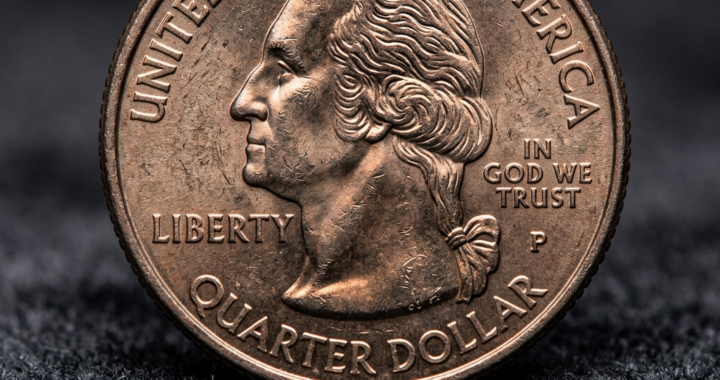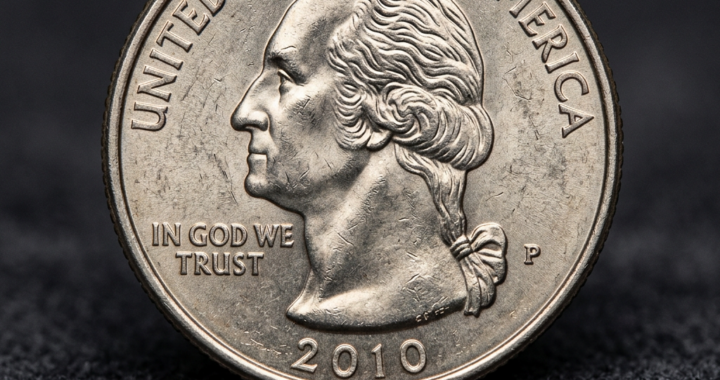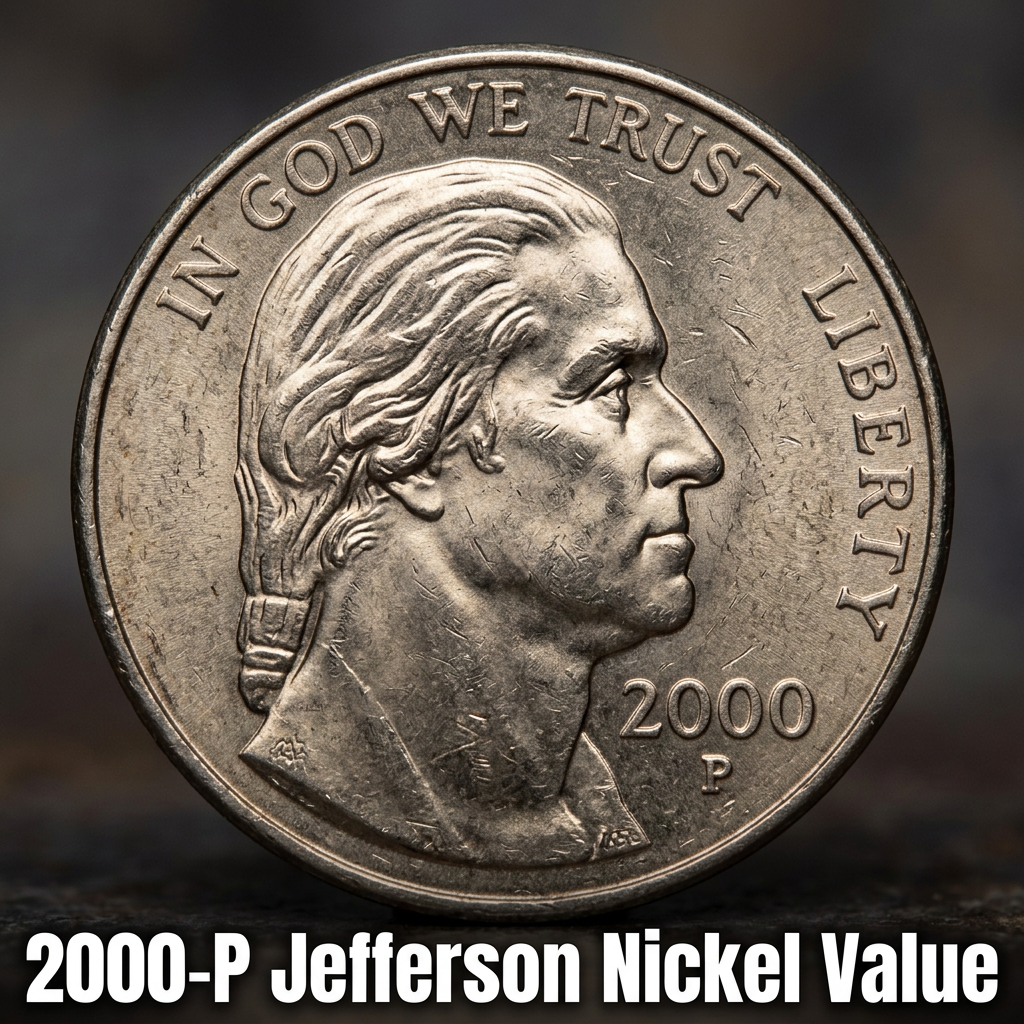
The 2000-P Jefferson Nickel is worth anywhere from face value (5 cents) in heavily worn condition to around $1 to $5 in average circulated grades, and potentially $10 to $30 or more in high-grade mint state — making it a surprisingly interesting coin to look into if you found one in your change jar.
If you’ve been digging through old coins and stumbled across a 2000-P nickel, you’re not alone. Millions of these were minted at the Philadelphia Mint, and plenty of them are still floating around in circulation. While most aren’t going to make you rich overnight, some examples — especially those in pristine, uncirculated condition — can fetch real money from the right collector. To quickly identify what you have, try using the best coin identifier app available, which can help you assess your coin’s grade and potential value in seconds.
Background and History of the 2000-P Jefferson Nickel
The Jefferson Nickel series has been running since 1938, featuring the third U.S. President Thomas Jefferson on the obverse and his famous home, Monticello, on the reverse. By the year 2000, the design had been in use for over six decades, though it was approaching a major makeover that would arrive in 2004 with the Westward Journey series.
The Philadelphia Mint produced a massive 846,240,000 Jefferson Nickels in 2000 — that’s over 846 million coins. With a mintage that large, these aren’t considered rare in the typical sense. However, rarity isn’t the only factor that drives value. Condition plays a huge role, especially for modern coins where collectors demand near-perfect examples for their sets.
One thing worth noting: the 2000-P nickel does not carry a mintmark in the traditional sense for circulation strikes — the “P” mintmark was added to Philadelphia coins starting in 1980, and you’ll find it on the obverse to the right of Jefferson’s portrait. This small detail helps confirm where your coin was made.
2000-P Jefferson Nickel Value by Grade
So what is your 2000-P nickel actually worth? The honest answer depends almost entirely on its condition. Here’s a straightforward breakdown:
| Grade | Description | Estimated Value |
|---|---|---|
| Good (G-4) | Heavy wear, design visible but flat | Face value ($0.05) |
| Fine (F-12) | Moderate wear, some detail remaining | $0.05 – $0.25 |
| Extremely Fine (EF-40) | Light wear on high points | $0.25 – $1.00 |
| Mint State (MS-63) | Uncirculated, some blemishes | $1.00 – $5.00 |
| Mint State (MS-65) | Gem uncirculated, sharp luster | $5.00 – $15.00 |
| Mint State (MS-67+) | Superb gem, near flawless | $30.00 – $100+ |
For more detailed and up-to-date pricing at various grade levels, check out this comprehensive 2000-P Jefferson Nickel mint state price data that tracks real market trends across different conditions.
What Makes a 2000-P Nickel More Valuable
Even though the 2000-P Jefferson Nickel was produced in huge numbers, certain characteristics can push the value significantly higher. The biggest factor is full steps (FS) designation. This refers to the steps of Monticello on the reverse being fully struck and clearly defined — usually five or six complete steps visible without any weakness or blurring. Coins graded MS-65 Full Steps or MS-66 Full Steps can be worth several times more than their non-FS counterparts.
Strike quality and luster also matter. A coin that came off the press with sharp, crisp details and still retains its original mint luster is far more appealing to collectors. Additionally, coins free from contact marks, bag marks, or surface blemishes earn higher grades from services like PCGS and NGC, which directly translates to higher values.
Using CoinHix is a great way to research these details. The CoinHix app gives you access to real-time graded coin prices so you can compare your coin against certified examples and get a realistic sense of the market.
How to Get Your 2000-P Nickel Appraised or Sold
If you believe your 2000-P nickel is in top-tier condition, it may be worth having it professionally graded by PCGS or NGC. Submitting a coin costs money, so it generally only makes sense for examples you believe could grade MS-66 or higher. For most everyday finds, you can get a solid ballpark estimate using coin apps and online price guides.
For a complete breakdown of what your 2000 nickel is worth based on current collector demand, dedicated coin value resources can walk you through every detail. You can also browse completed eBay listings to see what similar coins have actually sold for — not just what sellers are asking.
Don’t overlook CoinHix as part of your research process. It pulls together market data from multiple sources and displays it in a clean, easy-to-understand format — perfect for beginners and seasoned collectors alike.
FAQ About the 2000-P Jefferson Nickel
Q: Is the 2000-P Jefferson Nickel rare?
A: No, the 2000-P Jefferson Nickel is not considered rare. With a mintage of over 846 million, it’s one of the more common modern nickels in existence. However, high-grade examples — especially those with Full Steps designation — are scarcer and more valuable to collectors.
Q: How do I know if my 2000-P nickel has Full Steps?
A: Look at the reverse side of the coin, specifically at the steps on the base of Monticello. If you can count five or six distinct, unbroken horizontal lines representing the steps without any weakness or merging, your coin may qualify for Full Steps designation. A magnifying glass or loupe helps. Getting it certified by PCGS or NGC is the only way to make it official.
Q: Where is the best place to sell a 2000-P Jefferson Nickel?
A: For most circulated examples worth face value or a few cents, there’s no real secondary market. However, high-grade or certified coins can be sold through eBay, coin shows, or specialty dealers. If you have a graded MS-66 or MS-67 example, reaching out to a coin dealer or listing it through a numismatic auction house is your best bet for getting top dollar.