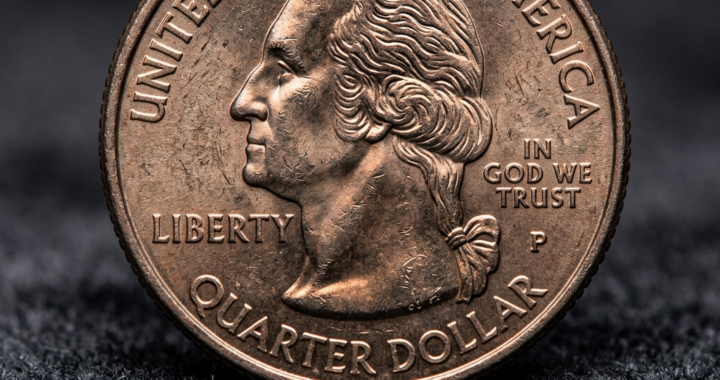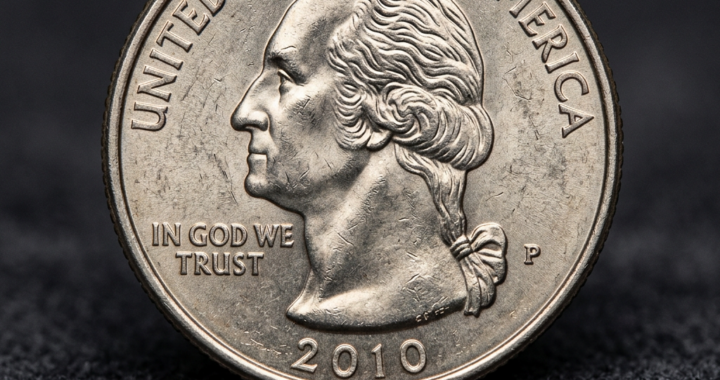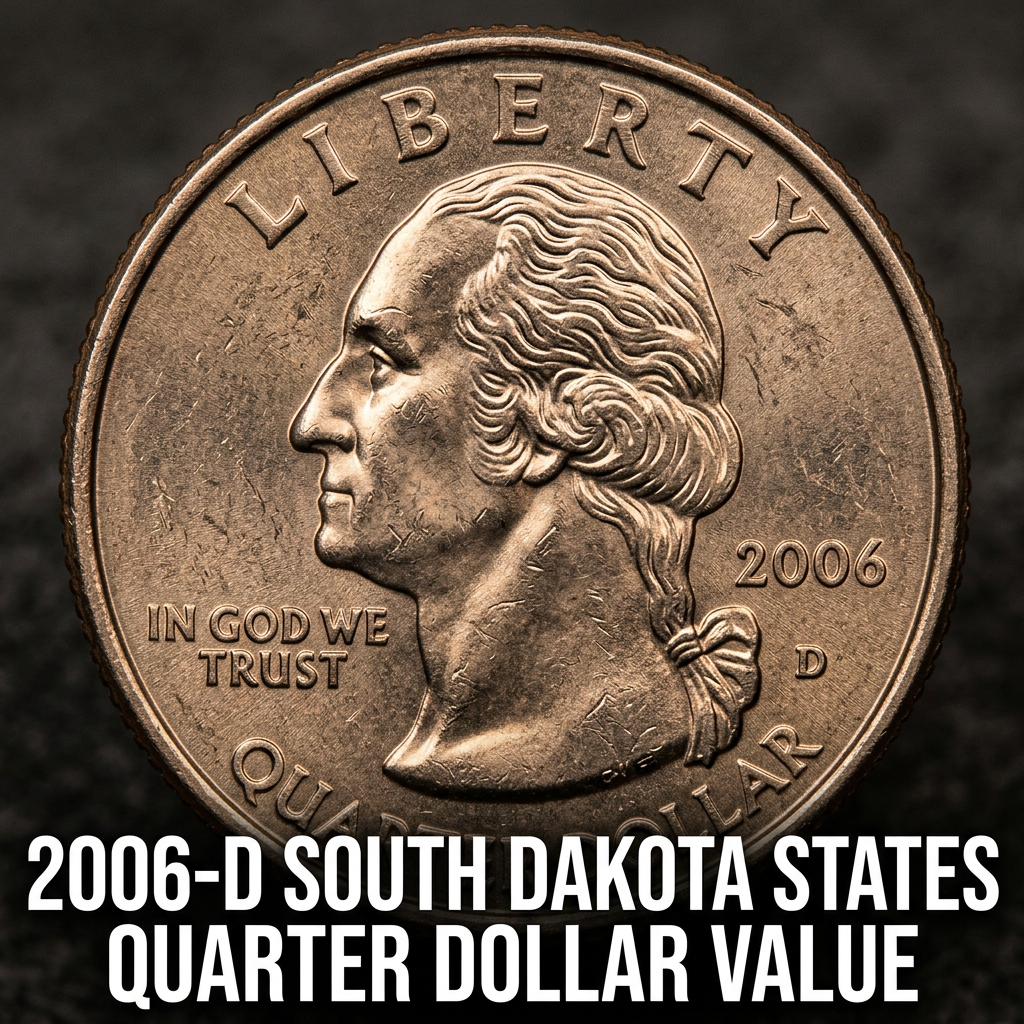
The 2006-D South Dakota State Quarter is worth anywhere from 25 cents in heavily circulated condition to around $5 or more in uncirculated mint state — and error versions can fetch significantly higher prices depending on the defect.
If you recently found one of these coins in your change or tucked away in an old collection, you’re in the right place. This guide breaks down everything you need to know about this coin’s value, what makes certain examples worth more, and how to tell if yours is special. Many collectors use the best coin identifier app to quickly scan and identify coins before doing further research — it’s a handy first step if you’re just getting started.
About the 2006-D South Dakota State Quarter
The 2006-D South Dakota State Quarter was struck at the Denver Mint (hence the “D” mint mark) as part of the popular 50 State Quarters Program, which ran from 1999 to 2008. South Dakota was the 40th state to be honored in the series.
The reverse design features Mount Rushmore, a ring-necked pheasant in flight, and a Chinese soybean plant — all symbols strongly tied to South Dakota’s identity and landscape. The obverse carries the classic portrait of George Washington, designed by John Flanagan and modified over the years.
The Denver Mint produced approximately 265,800,000 of these quarters in 2006, making them quite common in general circulation. Because of this high mintage, most circulated examples aren’t worth much more than face value. However, coins in pristine, uncirculated condition — especially those graded MS-67 or higher by major grading services like PCGS or NGC — can be worth considerably more to collectors.
2006-D South Dakota Quarter Value by Condition
Condition, or “grade,” is the single biggest factor in determining what your coin is worth. Here’s a general breakdown of values depending on how well the coin has been preserved:
| Grade / Condition | Description | Estimated Value |
|---|---|---|
| Circulated (Good to Fine) | Heavy wear, flat details | $0.25 – $0.50 |
| Extremely Fine (EF-45) | Light wear, sharp details | $0.50 – $1.00 |
| Uncirculated (MS-63 to MS-65) | No wear, minor bag marks | $1.00 – $3.00 |
| Gem Uncirculated (MS-66 to MS-67) | Near-perfect surfaces | $3.00 – $10.00+ |
| Superb Gem (MS-68+) | Virtually flawless | $50.00 – $200.00+ |
If you want to see how these numbers stack up against similar coins from the same era, you can browse current market prices for 2006 State Quarters across different grades and mint marks — it’s a useful way to get a real-time sense of the market.
Error Coins and Why They Can Be Worth Much More
Some of the most valuable 2006-D South Dakota quarters are ones with minting errors. These mistakes happen during the production process and create coins that look different from the standard issue. Collectors love them because they’re rare and unusual.
Common errors to look for include:
– Double die obverse or reverse – Where lettering or design elements appear doubled
– Off-center strikes – Where the design is misaligned on the blank
– Clipped planchets – Where a piece of the coin’s edge is missing
– Die cracks or cuds – Raised lines or blobs caused by a damaged die
Error coins can range from a few dollars to several hundred dollars depending on how dramatic and rare the error is. Always examine your coin under good lighting with a magnifying glass before assuming it’s just a regular quarter. CoinHix is a great tool for quickly comparing your coin’s images against known varieties and errors in their database.
How to Check If Your 2006-D South Dakota Quarter Has Extra Value
Not sure where to start? Here’s a simple process:
1. Find the mint mark — Look for the small “D” on the obverse (front), just to the right of Washington’s portrait. A “D” means it was made in Denver.
2. Assess the condition — Look at the high points of the design. If details like feathers on the pheasant and faces on Mount Rushmore are sharp and clear, you likely have an uncirculated or near-uncirculated coin.
3. Check for errors — Use a magnifying glass to look for doubling, off-center strikes, or other anomalies.
4. Get it graded — For potentially high-value coins, submitting to PCGS or NGC for professional grading is worth the investment.
You can also check out a detailed 2006 quarter value guide with up-to-date pricing information to compare your findings with current collector data. And if you want an all-in-one solution, CoinHix lets you scan, identify, and track the value of your entire collection right from your phone — a real time-saver for casual collectors and serious hobbyists alike.
Is the 2006-D South Dakota Quarter Worth Keeping?
For most people who find this coin in circulation, it’s probably only worth face value — 25 cents. But if it’s uncirculated, especially at MS-67 or higher, or if it has a notable error, the value climbs quickly. It’s always worth a few minutes of your time to check before spending it or tossing it in a jar.
State quarters from this era have a dedicated collector following, and coins in top condition are genuinely sought after. Whether you’re a casual finder or a growing collector, knowing what you have is the first step toward building something valuable.
—
Frequently Asked Questions
Q: How do I know if my 2006-D South Dakota quarter is uncirculated?
A: An uncirculated coin will have no signs of wear on the high points of the design. The luster — that original mint shine — should still be visible under a light. If the coin looks dull or flat in the detailed areas, it’s likely been circulated.
Q: Are 2006-D South Dakota quarters rare?
A: No, they are not rare in general. Over 265 million were minted in Denver alone. However, coins in pristine MS-67 or MS-68 condition, or those with verified mint errors, are considerably harder to find and carry a collector premium.
Q: Where can I sell my 2006-D South Dakota quarter if it turns out to be valuable?
A: You have several options: eBay for direct sales to collectors, coin shows, local coin dealers, or online platforms like PCGS CoinFacts and CoinHix, where you can track values and connect with the broader collector community. Always get a professional grade before selling a coin you believe is high-value.