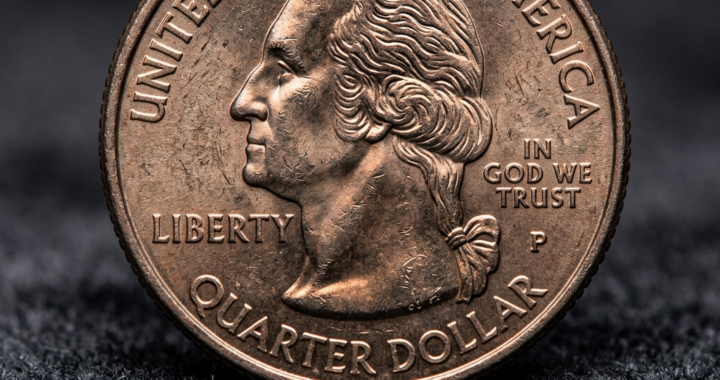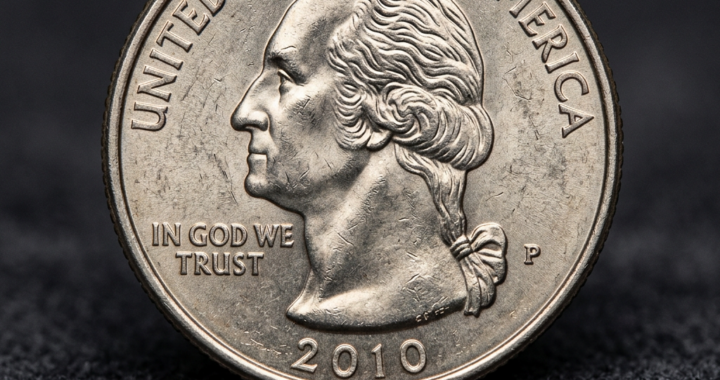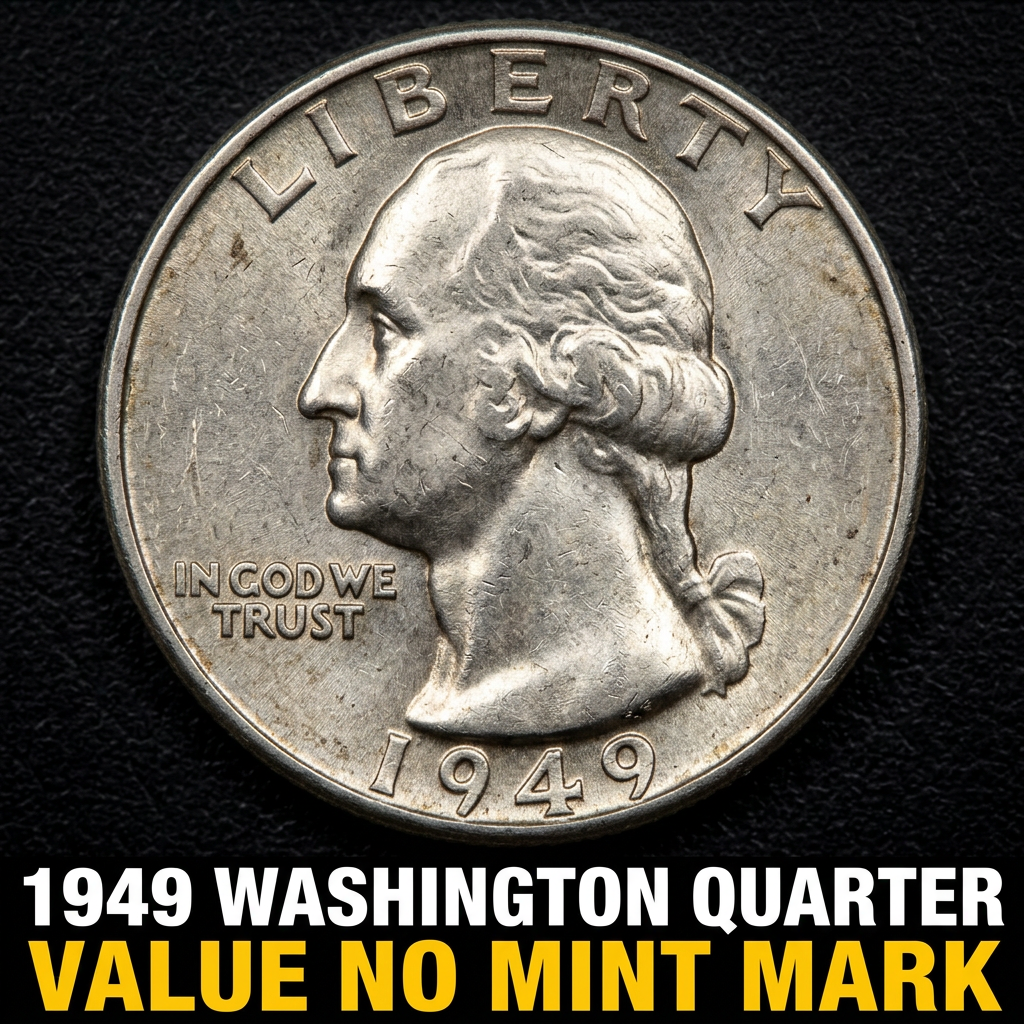
The 1949 Washington Quarter with no mint mark is worth between $6 and $10 in well-worn condition, but can fetch $25 or more in better grades — and uncirculated examples sometimes sell for over $100 depending on eye appeal and luster.
If you found one of these coins rattling around in an old jar or inherited it from a grandparent’s collection, you’re in the right place. Let’s break down exactly what you have and what it might be worth.
If you want a quick answer on the go, the best coin identifier app can help you identify and value coins like this one right from your phone — no experience needed.
—
What Is the 1949 Washington Quarter With No Mint Mark?
The 1949 Washington Quarter with no mint mark was struck at the Philadelphia Mint, which was standard practice at the time — Philadelphia didn’t use a mint mark until 1980. The coin features John Flanagan’s classic portrait of George Washington on the obverse and an eagle design on the reverse. It’s made of 90% silver and 10% copper, giving it real intrinsic metal value even in worn condition.
In 1949, the Philadelphia Mint produced approximately 9,312,000 of these quarters. That’s a relatively low mintage compared to many other years in the Washington Quarter series, which is part of what makes this coin more interesting to collectors. Low-mintage coins tend to be harder to find in high grades, and that scarcity drives value up — especially in uncirculated condition.
Even if your coin looks pretty beat up, its silver content alone makes it worth holding onto. At current silver prices, most circulated 90% silver quarters have a base melt value of around $4 to $5.
—
1949 Washington Quarter Value by Grade
The condition of your coin — called its “grade” — is the biggest factor in determining its value. Here’s a simple breakdown:
| Grade | Description | Estimated Value |
|---|---|---|
| Good (G-4) | Heavy wear, design visible | $6 – $8 |
| Fine (F-12) | Moderate wear, details clearer | $8 – $12 |
| Extremely Fine (EF-40) | Light wear on high points | $15 – $25 |
| Mint State (MS-63) | Uncirculated, some bag marks | $60 – $100 |
| Mint State (MS-65+) | Gem uncirculated, strong luster | $150 – $400+ |
For the most up-to-date market data, you can check out current auction prices and grade-by-grade values for the 1949 Washington Quarter to see what collectors are actually paying right now.
—
How to Tell If Your Coin Is Worth More Than Face Value
First things first — look at the date and the back of the coin. No mint mark means Philadelphia. Then check the condition. Hold the coin under a good light and look at Washington’s cheek and the eagle’s breast feathers. If you can still see fine detail in those areas, your coin is likely in Fine to Extremely Fine grade and worth more than a worn example.
Also check for any unusual features. Some 1949 quarters show doubled die errors or strong strike characteristics that can add value beyond the standard grade. These aren’t super common, but they do pop up. If something looks “off” in a good way — sharp doubling on the lettering or date, for example — it might be worth getting a professional opinion.
For a detailed breakdown of what your specific coin could sell for, this comprehensive 1949 quarter value guide walks through every grade and variety in plain language.
—
What Makes a High-Grade 1949 Quarter So Rare?
Finding a 1949 Washington Quarter in true uncirculated condition is harder than it sounds. Most of these coins spent decades in circulation — passed through cash registers, piggy banks, vending machines, and coat pockets. Very few were set aside at the time of release.
Gem examples (MS-65 and above) are genuinely scarce for this date. When one does appear at auction, it tends to attract serious bidding from registry set collectors who want the finest known examples. That’s why a coin that looks “just like new” can jump in value so dramatically — from $25 in circulated grades to several hundred dollars in gem condition.
This is exactly the kind of coin where using CoinHix pays off. CoinHix lets you scan your coin and instantly see where it lands on the value spectrum, so you don’t accidentally sell a gem coin for pocket change. It’s a free tool that serious collectors and everyday people both rely on.
—
Should You Clean or Sell Your 1949 Washington Quarter?
Please don’t clean it. This is one of the most common mistakes new collectors make, and it can permanently destroy a coin’s value. Even gentle polishing removes the original surface and kills any collector premium. A naturally toned or slightly dirty uncirculated coin is worth far more than a shiny-but-cleaned one.
As for selling, your options include local coin dealers, online platforms like eBay or Heritage Auctions, and coin shows. For high-grade examples (MS-63 and above), it’s worth having the coin professionally graded by PCGS or NGC before selling — that little plastic slab can double or triple what a buyer is willing to pay.
If you’re not sure where to start, CoinHix can walk you through the process of identifying, grading, and finding the right market for your coin — all in one place.
—
FAQ
Q: Is a 1949 Washington Quarter with no mint mark rare?
A: It’s not considered rare in circulated grades, since over 9 million were made. However, finding one in gem uncirculated condition (MS-65 or better) is genuinely difficult, and those coins can be worth hundreds of dollars.
Q: How much silver is in a 1949 Washington Quarter?
A: The 1949 quarter is made of 90% silver and contains approximately 0.1808 troy ounces of pure silver. At current spot prices, that gives it a base melt value of roughly $4 to $5, regardless of collector grade.
Q: Where can I get my 1949 Washington Quarter graded?
A: The two most trusted grading services are PCGS (Professional Coin Grading Service) and NGC (Numismatic Guaranty Company). Both offer online submission. For a quick at-home estimate before spending money on grading, try scanning your coin with CoinHix first to get a sense of its condition and potential value.