The 1962 Jefferson Nickel with no mint mark is worth anywhere from 5 cents in heavily worn condition to over $100 in gem uncirculated grades — and certain high-grade examples have sold for even more at auction. If you found one of these coins in a drawer, a jar, or an old collection, you’re in the right place to find out exactly what it’s worth.
best coin identifier app tools have made it easier than ever for everyday collectors to identify and value coins like the 1962 Philadelphia-minted Jefferson Nickel without needing to visit a dealer first. Whether you’re a seasoned collector or someone who just stumbled across an old coin, this guide will walk you through everything you need to know. You can also use CoinHix to quickly scan and identify your coin right from your phone — it’s free, fast, and built for people exactly like you.
—
What Is the 1962 Jefferson Nickel No Mint Mark?
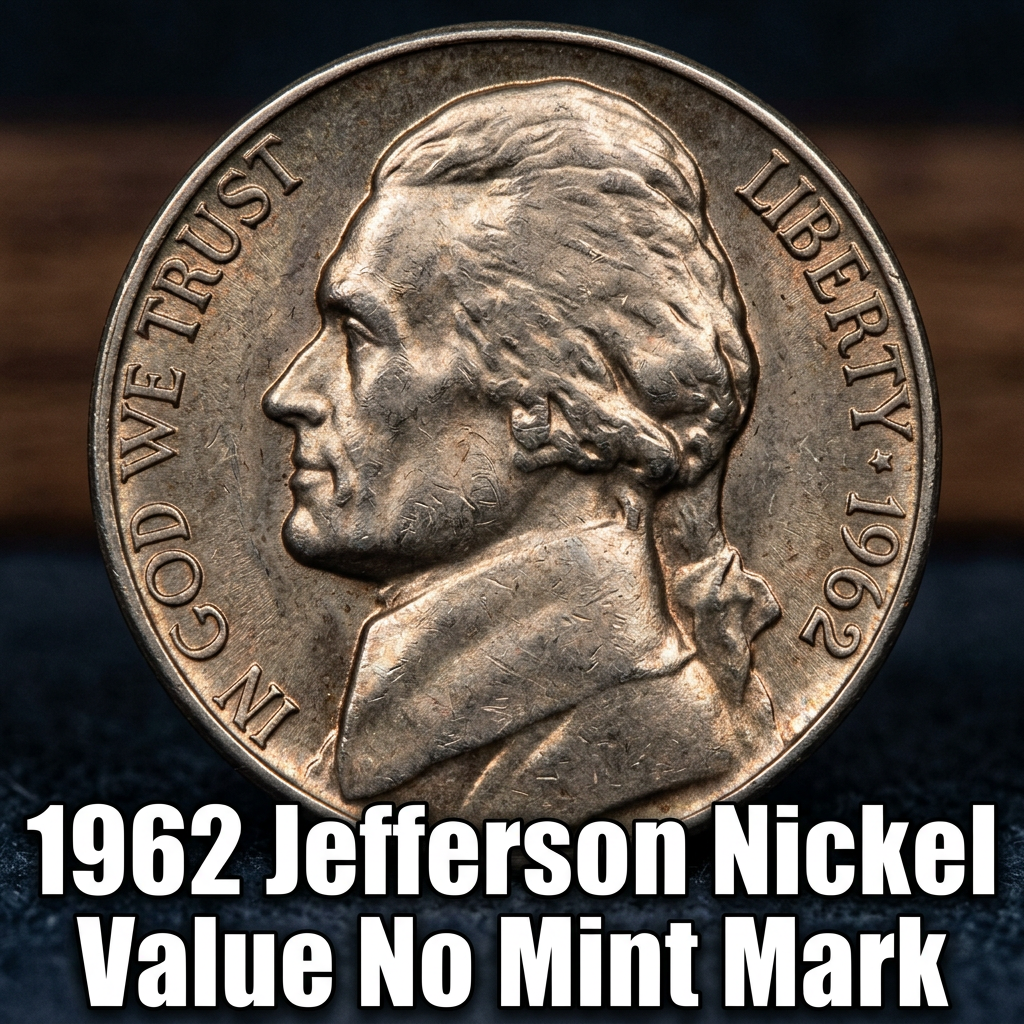
The 1962 Jefferson Nickel with no mint mark was struck at the Philadelphia Mint, which traditionally did not add a mint mark to its coins during this era. That means if your coin has no letter beneath Monticello on the reverse, it came from Philadelphia — the largest producer that year. The Philadelphia Mint struck over 97 million of these nickels in 1962, making them relatively common in circulated grades. The coin features Felix Schlag’s familiar portrait of Thomas Jefferson on the obverse and his beloved home, Monticello, on the reverse. Made of 75% copper and 25% nickel, these coins have no precious metal content, so their value is almost entirely driven by condition and collector demand.
—
1962 Jefferson Nickel Value by Grade
Condition is everything when it comes to coin values. A coin that looks shiny and sharp to the untrained eye might still grade quite differently under a loupe. Here’s a general breakdown of what the 1962 Jefferson Nickel no mint mark is worth across different grades:
| Grade | Description | Estimated Value |
|---|---|---|
| Good (G-4) | Heavy wear, design visible | Face value (~$0.05) |
| Fine (F-12) | Moderate wear, details clear | $0.10 – $0.25 |
| Extremely Fine (EF-40) | Light wear on high points | $0.50 – $1.00 |
| MS-63 (Choice Uncirculated) | No wear, some bag marks | $5 – $15 |
| MS-65 (Gem Uncirculated) | Sharp, lustrous, minimal marks | $25 – $60 |
| MS-67 and above | Near perfect, rare at this level | $100+ |
For the most current market data on this coin, you can check out real-time 1962 Jefferson Nickel mint state price data to see exactly what certified examples are selling for right now.
—
What Makes a 1962 Nickel Worth More?
Even though over 97 million were made, not all 1962 Philadelphia nickels are equal. The key factors that push value up are full steps, eye appeal, and strike quality. “Full Steps” refers to the steps on Monticello’s portico — when five or six complete, unbroken steps are visible on the reverse, the coin earns a special designation (FS) from grading services like PCGS and NGC. A 1962 Jefferson Nickel graded MS-65 Full Steps can be worth significantly more than its non-FS counterpart — sometimes several times more. Luster, color, and the absence of distracting contact marks also play a big role. If your coin has an unusually bright, original shine and clean fields, it’s worth getting it evaluated. CoinHix lets you photograph your coin and get an instant grade estimate, which is a great first step before deciding whether to send it in for professional grading.
—
How to Tell If Your 1962 Nickel Is the Real Deal
Before you get too excited, it’s worth checking a few things. First, confirm the coin has no mint mark — look at the reverse, just to the right of Monticello. No letter means Philadelphia. Next, check the date — it should clearly read 1962. You can also weigh the coin (it should be 5.0 grams) and measure the diameter (21.2 mm). Authentic 1962 Jefferson Nickels have a smooth edge, not reeded like a dime or quarter. If something seems off — the coin is too light, the color looks unusual, or the edge is wrong — it might be a novelty item or a damaged coin. For a quick visual reference and a reliable value estimate, this detailed breakdown of 1962 nickel values and grading tips is an excellent resource to bookmark.
—
Should You Get Your 1962 Jefferson Nickel Graded?
For most circulated examples, professional grading isn’t cost-effective — the grading fees would exceed what the coin is worth. But if you have a coin that appears uncirculated, has brilliant luster, and shows strong steps on Monticello, it may absolutely be worth submitting to PCGS or NGC. Population reports show that high-grade, full-steps examples of the 1962 Philadelphia nickel are genuinely scarce in certified form. If you’re unsure where to start, download CoinHix and run your coin through its AI-powered identifier. It’s one of the smartest free tools available for everyday collectors who want a reliable second opinion before spending money on a professional grading submission.
—
FAQ
Q: Is the 1962 Jefferson Nickel with no mint mark rare?
A: No, it’s not rare overall — the Philadelphia Mint produced more than 97 million of them. However, high-grade examples, especially those with Full Steps designation, are genuinely scarce and can carry strong premiums with collectors.
Q: How do I know if my 1962 nickel is in good enough condition to be worth more?
A: Look for original luster, sharp details on Jefferson’s portrait, and clear, unbroken steps on Monticello’s reverse. If the coin has never been cleaned and shows strong eye appeal, it may grade MS-63 or higher, where collector value starts climbing noticeably.
Q: Where can I sell my 1962 Jefferson Nickel if it turns out to be valuable?
A: Options include eBay, coin shows, local coin dealers, and auction houses like Heritage Auctions for higher-grade certified coins. Getting the coin professionally graded first can help you achieve a better selling price and gives buyers added confidence.