The 1913-D Barber Quarter Dollar is worth anywhere from $8 in heavily worn condition to well over $500 in higher mint state grades — and pristine examples can climb even higher at auction. If you’ve stumbled across one of these old silver coins, you’re holding a genuine piece of American numismatic history, and it’s absolutely worth understanding what you have.
What Makes the 1913-D Barber Quarter Worth Collecting
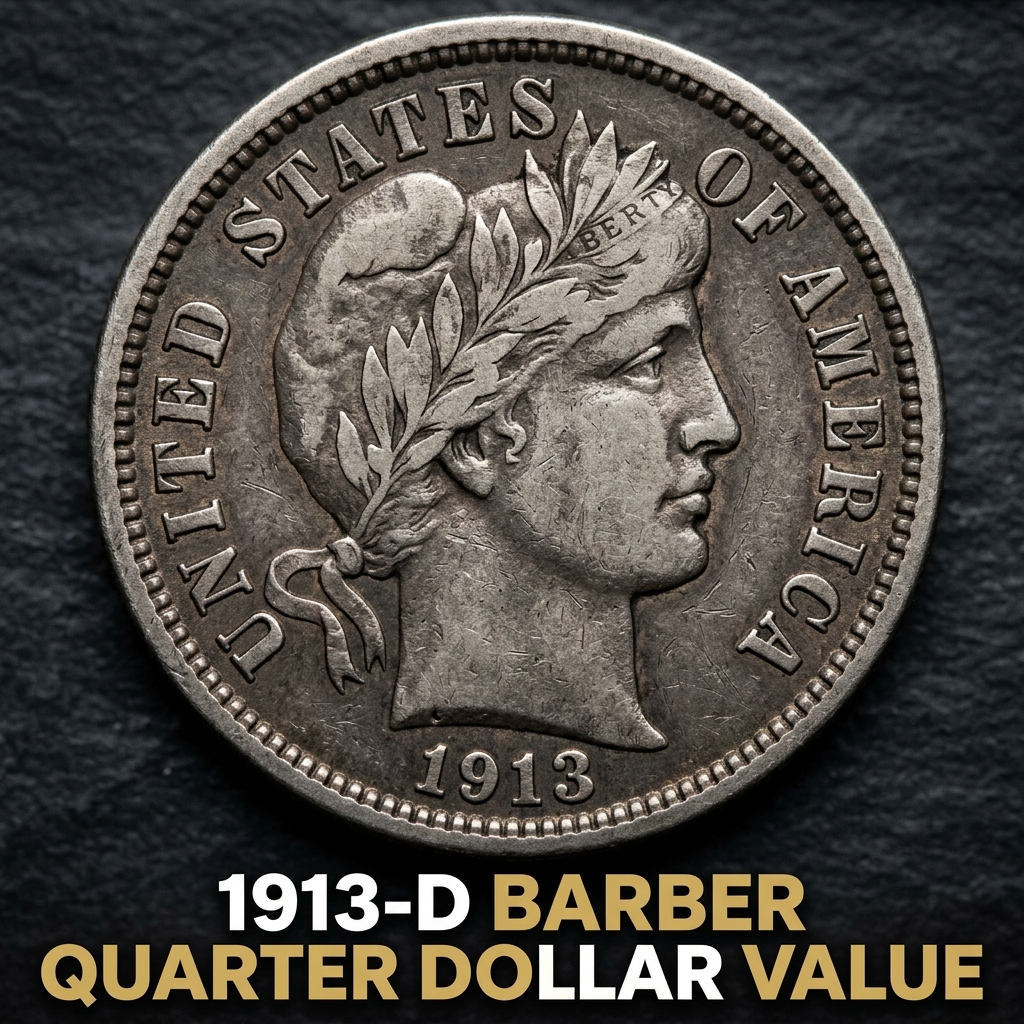
The 1913-D Barber Quarter was struck at the Denver Mint during the final years of Charles Barber’s iconic Liberty Head design. By 1913, the Barber series was winding down — it would be replaced by the Standing Liberty Quarter in 1916 — which makes these late-date issues particularly interesting to collectors. The “D” mintmark, located on the reverse just below the eagle, tells you this coin came from Denver, not Philadelphia or San Francisco.
In terms of mintage, the Denver Mint produced 1,685,000 Barber Quarters in 1913. That number sounds large, but decades of circulation and the natural attrition of silver coins means surviving examples in decent condition are genuinely harder to find than you might expect. Most coins from this era were spent, melted, or worn smooth. Finding one with visible detail on the Liberty head and the eagle’s feathers is the real prize.
If you want to quickly check what you have, the best coin identifier app can scan your coin and give you an instant grade estimate — a handy first step before heading to a dealer or auction house.
1913-D Barber Quarter Value by Grade
Coin value is almost entirely driven by condition, and the 1913-D is no exception. Here’s a straightforward breakdown of what the market typically shows:
| Grade | Description | Estimated Value |
|---|---|---|
| AG-3 / G-4 | Very worn, outline visible | $8 – $15 |
| VG-8 / F-12 | Moderate wear, some detail | $20 – $45 |
| VF-20 / VF-30 | Light wear, good detail | $55 – $100 |
| EF-40 / EF-45 | Slight wear on high points | $120 – $200 |
| AU-50 / AU-55 | Traces of wear, mostly lustrous | $220 – $350 |
| MS-60 and above | Uncirculated, full mint luster | $500 – $1,500+ |
Values above reflect recent retail and auction data. Always remember that silver melt value provides a floor — the 1913-D Barber Quarter contains about 0.1808 troy ounces of silver, so even a worn example has some intrinsic metal value.
How to Grade Your 1913-D Barber Quarter at Home
You don’t need to be a professional numismatist to get a rough idea of your coin’s condition. Start by looking at Liberty’s hairline above her forehead and the “LIBERTY” text on her headband — these are the first areas to show wear. In Good (G-4) condition, the letters may be nearly gone. In Fine (F-12), you’ll see them clearly but with worn high points. An Extremely Fine example will show sharp detail across almost the entire design.
Use good lighting — natural daylight or a focused LED lamp — and a basic 5x loupe magnifier if you have one. Avoid cleaning the coin with anything, ever. Cleaned coins lose significant collector value, and professional graders can always spot a cleaned surface.
For a faster assessment, CoinHix is a popular mobile app that uses AI to estimate grades from a photo. It won’t replace professional PCGS or NGC grading, but it gives you a solid ballpark before you invest time or money in getting the coin certified.
Comparing the 1913-D to Other Barber Quarter Dates and Mints
Context matters when you’re evaluating the 1913-D Barber Quarter value. The Denver issue sits comfortably in the middle of the pack among 1913 Barber Quarters. The Philadelphia Mint struck about 484,000 coins that year — far fewer — making the 1913 (no mintmark) generally more valuable in comparable grades. The San Francisco issue had a mintage of 40,000, making the 1913-S one of the key dates in the entire Barber series and worth hundreds even in circulated grades.
Interestingly, if you enjoy researching rare early 20th century U.S. coins, you might also want to explore the value of the legendary 1913 Liberty Head Nickel — one of the most famous and expensive coins in American numismatic history, also from that same year.
The 1913-D is not a key date, but it’s a solid coin with real collector demand. It completes a set without breaking the bank, which is why intermediate and advanced collectors consistently seek it out.
Where to Sell or Buy a 1913-D Barber Quarter
If you’re ready to sell, your best options are established auction houses like Heritage Auctions or Stack’s Bowers, reputable coin dealers, or vetted online marketplaces like eBay’s coin category. For anything in EF or better condition, consider submitting to PCGS or NGC for professional grading — a certified coin almost always sells for more and sells faster.
If you’re buying, the same platforms apply. Make sure you’re looking at coins with clear photos showing both the obverse and reverse, and ask sellers about any cleaning history. CoinHix also has a community and marketplace feature that many everyday collectors find useful for discovering fairly priced coins without the intimidation of big auction houses.
—
Frequently Asked Questions
Q: Is the 1913-D Barber Quarter rare?
A: It’s not considered a key date, but it’s not common either. With a mintage of just over 1.6 million and heavy circulation losses over 110 years, finding one in Fine or better condition takes some effort. It’s a semi-scarce coin that collectors actively seek.
Q: How do I know if my Barber Quarter is silver?
A: All U.S. Barber Quarters, including the 1913-D, are composed of 90% silver and 10% copper. There are no clad or base-metal versions of this coin. If it’s genuine and dates from 1892 to 1916, it’s silver. A quick magnet test helps — silver is not magnetic.
Q: Should I get my 1913-D Barber Quarter professionally graded?
A: If your coin appears to be in VF condition or better, professional grading from PCGS or NGC is usually worth the cost. A slabbed and certified coin commands higher prices and gives buyers confidence. For heavily worn examples worth under $20, the grading fee may not make economic sense. Use CoinHix for a quick preliminary assessment before deciding.