The 1912-S Wheat Penny is worth anywhere from $3 in heavily worn condition to over $200 or more in high mint state grades. If you found one of these San Francisco-minted cents in an old jar or coin collection, you may be sitting on a genuinely valuable piece of early American history.
What Makes the 1912-S Wheat Penny Special
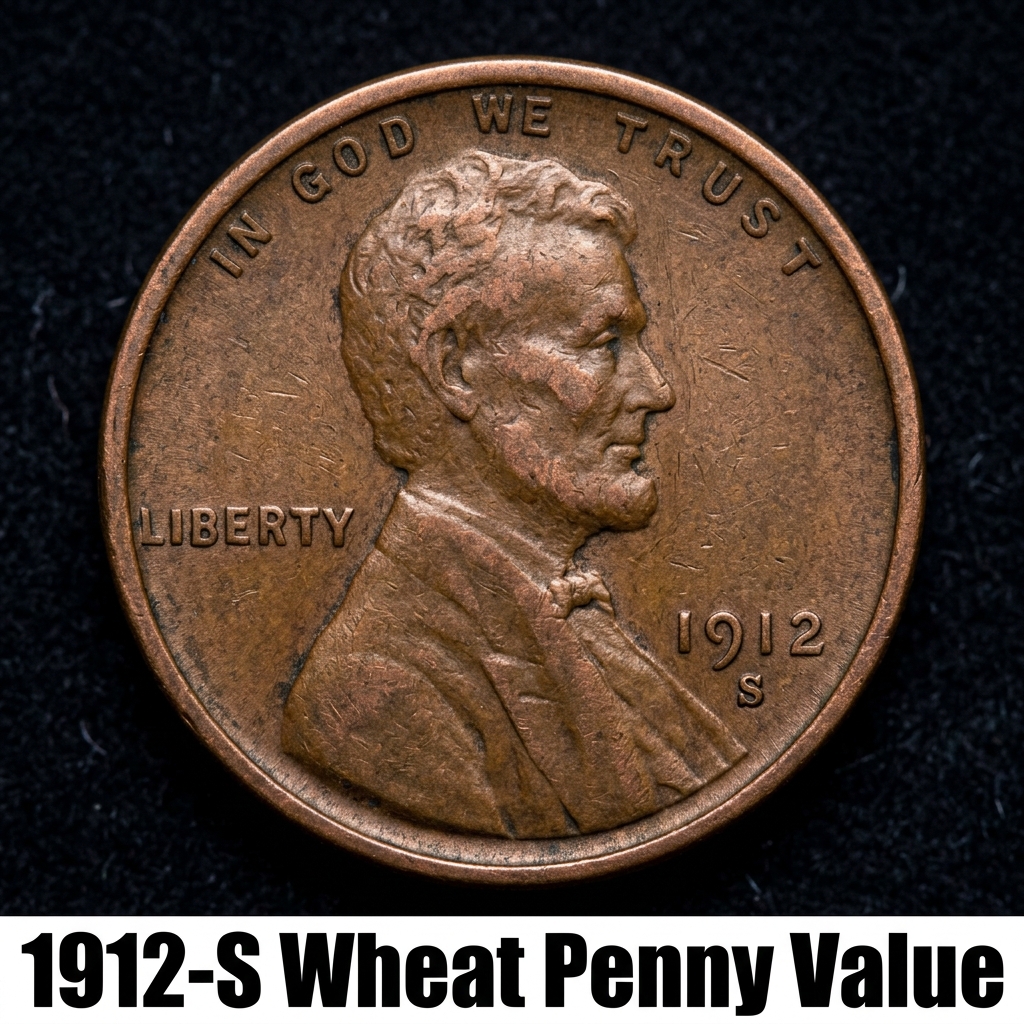
The 1912-S Lincoln Wheat Penny was struck at the San Francisco Mint, indicated by the small “S” mintmark found on the obverse just below the date. This was only the fourth year of production for the Lincoln cent design, introduced in 1909. San Francisco produced around 4,431,000 of these coins in 1912 — a relatively modest mintage compared to the Philadelphia issue that same year. Because fewer were made, and even fewer survived in decent condition, the 1912-S is considered a semi-key date among Wheat Penny collectors. If you’re trying to figure out exactly what you have, using the best coin identifier app can help you identify the mintmark and grade your coin quickly without needing expert knowledge right away.
1912-S Wheat Penny Value by Grade
The condition of your coin — referred to as its “grade” — is the single biggest factor affecting its value. A coin that’s been heavily circulated will show significant wear on Lincoln’s cheek, hair details, and the wheat stalks on the reverse. Higher-grade examples retain sharp details and sometimes original mint luster. Here’s a general breakdown of what you can expect:
| Grade | Description | Estimated Value |
|---|---|---|
| Good (G-4) | Heavy wear, date visible | $3 – $6 |
| Fine (F-12) | Moderate wear, some detail | $12 – $20 |
| Extremely Fine (EF-40) | Light wear on high points | $45 – $75 |
| About Uncirculated (AU-55) | Slight wear, near full luster | $90 – $140 |
| Mint State (MS-63) | Uncirculated, minor marks | $175 – $250+ |
For the most up-to-date auction data and certified coin prices, you can check the 1912-S Wheat Penny price data in mint red grades to see exactly what certified examples are selling for right now.
How to Identify Your 1912-S Wheat Penny
Identifying this coin is straightforward once you know what to look for. On the front (obverse), you’ll see Abraham Lincoln’s portrait facing right, the date “1912” on the lower left, and the “S” mintmark directly below the date. The reverse shows two wheat stalks framing the words “ONE CENT” and “UNITED STATES OF AMERICA.” The coin is made of 95% copper and 5% tin and zinc, giving it a characteristic reddish-brown color when aged. CoinHix is a great tool for identifying and tracking the value of coins like this one — it gives you access to live pricing and historical sales data for Wheat Pennies across all grades and mint facilities. If you’re building a collection or just want a quick answer about your find, it’s well worth having on hand.
Factors That Affect the 1912-S Wheat Penny Value
Beyond grade, a few other things can dramatically shift what your coin is worth. Color designation matters significantly for uncirculated examples. Coins graded “Red” (RD) have retained their original mint color and are worth considerably more than “Brown” (BN) examples of the same grade. Strike quality also plays a role — some 1912-S cents show weakly struck details, which can lower desirability among collectors. Eye appeal, surface marks, and whether the coin has been cleaned or altered all factor into the final value. For a comprehensive look at the full value of 1912 pennies including all mint varieties, reviewing certified sale records alongside grading guides gives you the most accurate picture. CoinHix tracks all of these data points automatically, making it easier than ever to research your coin without hunting through multiple reference books.
Should You Get Your 1912-S Wheat Penny Graded
If your coin looks uncirculated or is in high Extremely Fine condition, professional grading by PCGS or NGC is absolutely worth considering. Certified coins typically sell for significantly more than raw (ungraded) examples because buyers trust the authentication. For coins in lower circulated grades, grading fees may not be justified unless you suspect you have an error coin or unusual variety. Either way, do your research first. Use CoinHix to compare recent sales, photograph your coin in natural light, and get a solid sense of its condition before spending money on certification. For most everyday Americans who stumble across an old cent, simply knowing you have a 1912-S in decent shape is exciting enough — and the value might surprise you.
FAQ
Q: How do I know if my penny is the 1912-S and not the regular 1912?
A: Look directly below the date on the front of the coin. If you see a small “S” mintmark, it was made in San Francisco. No mintmark means it came from Philadelphia, and a “D” indicates Denver. The 1912-S is the most valuable of the three.
Q: Is a 1912-S Wheat Penny worth cleaning up before selling?
A: No — never clean old coins. Cleaning removes the natural patina and surface details that collectors value, and it significantly lowers the coin’s market value. A naturally toned or even dirty coin is always preferable to one that’s been polished or scrubbed.
Q: Where is the best place to sell a 1912-S Wheat Penny?
A: Reputable options include eBay (check completed sales for realistic pricing), coin shows, local coin dealers, or major auction houses for high-grade examples. Research current prices first using resources like CoinHix so you know what to expect before you sell.