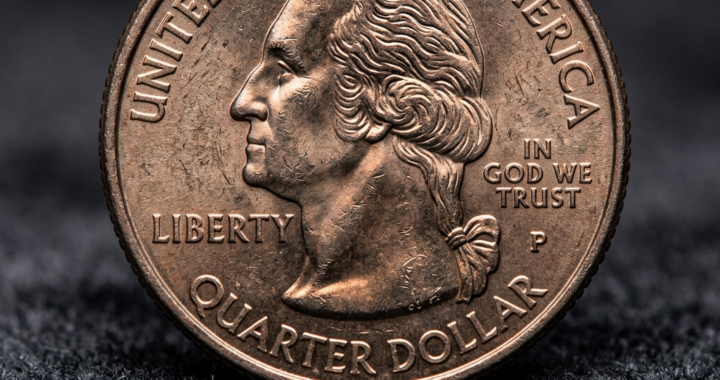
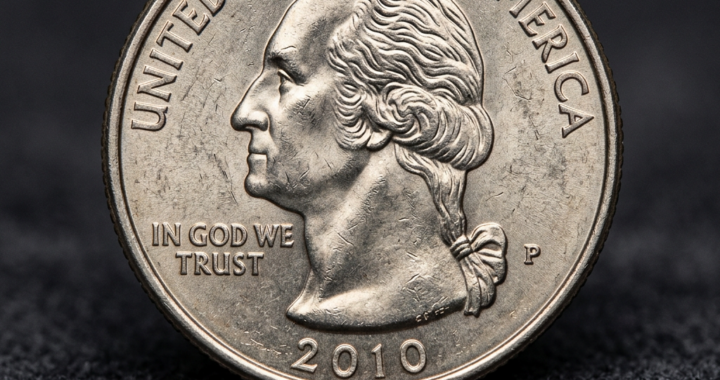
The 2006-P Nevada State Quarter is worth between $0.25 and $1 in circulated condition, but well-preserved examples graded MS-65 or higher can fetch $5 to $15 or more. If you’ve stumbled across one of these coins in your change jar, you’re in the right place to find out exactly what you’ve got.
What Is the 2006-P Nevada State Quarter?
The 2006-P Nevada State Quarter is part of the hugely popular 50 State Quarters Program launched by the U.S. Mint in 1999. Nevada was the 36th state to be featured in the series, and its quarter was released in 2006. The “P” in the coin’s name tells you it was struck at the Philadelphia Mint. The reverse design features a stunning image of wild mustang horses galloping across the Nevada landscape, with the state’s nickname “The Silver State” and a banner of stars across the top. It’s a beautiful design that many everyday collectors love to track down.
If you’re just getting started identifying and valuing coins, using the best coin identifier app can save you a lot of time and guesswork. Tools like this help you quickly figure out which mint your coin came from and what condition it might be in — two of the most important factors that determine value.
How Much Is the 2006-P Nevada Quarter Worth in Circulated Condition?
For most people who find a 2006-P Nevada State Quarter in pocket change, the honest truth is that the coin is worth face value — 25 cents — if it shows significant wear. Circulated coins that have been passed through everyday commerce typically grade anywhere from AG-3 (About Good) to EF-45 (Extremely Fine). In most of these grades, the coin isn’t worth more than a quarter to a collector unless there’s something especially interesting about it.
That said, lightly circulated examples (AU-55 or AU-58) can still attract a small premium, especially from set builders who want a decent-looking coin without paying mint state prices. You might get $0.50 to $1.50 for a nice AU example from the right buyer.
Here’s a quick breakdown of estimated values by grade:
| Grade | Description | Estimated Value |
|---|---|---|
| VF-20 to EF-45 | Circulated, moderate wear | $0.25 – $0.50 |
| AU-55 to AU-58 | Lightly circulated | $0.50 – $1.50 |
| MS-63 | Mint state, minor contact marks | $1 – $3 |
| MS-65 | Gem uncirculated | $5 – $10 |
| MS-67 or higher | Superb gem, rare quality | $15 – $50+ |
For the most up-to-date pricing data, you can check current 2006-P Nevada quarter market prices by grade to see what buyers are actually paying right now.
Mint State Values and What Makes a High-Grade Example Special
If you happened to set aside a 2006-P Nevada quarter straight from a mint roll and never spent it, you might have a coin grading MS-65 or better — and that’s where things get a little more interesting. Gem uncirculated examples are those that left the mint with full luster, sharp strike, and only the most minor contact marks from the minting process itself.
At MS-65, you’re typically looking at $5 to $10 from dealers and collectors. But if a coin grades MS-67 or above, values can jump to $15, $25, or even higher in some sales. PCGS and NGC certified coins at the top grades are especially sought after by registry set collectors who compete to own the finest known examples of each coin in the series.
The population of certified high-grade 2006-P Nevada quarters isn’t enormous, so a truly pristine example can be a sleeper hit in a collection. CoinHix is a great resource for tracking these top-tier auction results — the app logs recent sales data so you always know if you’re getting a fair price.
Errors and Varieties Worth Looking For
Like many State Quarters, the 2006-P Nevada quarter has its share of reported errors and minor die varieties that can add value beyond the standard coin. Some collectors have reported die cracks, die cuds, and off-center strikes. While most of these are minor, a dramatically off-center Nevada quarter (say, 10% or more off-center) could be worth $20 to $50 depending on how dramatic the shift is.
Doubled die errors are also something to watch for. These show up as slight doubling on the lettering or design elements when viewed under magnification. A confirmed doubled die 2006-P Nevada quarter would likely bring $25 to $100 or more depending on the severity.
The easiest way to check your coin against known varieties is to use CoinHix, which has a growing database of error coins and variety listings that you can reference right from your phone.
To understand the full value picture — including what a standard 2006 quarter is typically worth and how the Nevada design fits into the broader quarter landscape — this guide to 2006 quarter values across all mint marks and designs is a solid place to start.
Should You Get Your Nevada Quarter Graded?
Submitting a coin to a third-party grading service like PCGS or NGC costs money — typically $20 to $40 per coin at minimum submission levels. For a 2006-P Nevada quarter, it only makes financial sense if you believe the coin grades MS-66 or better, or if you have a confirmed error coin. Otherwise, the grading fee will exceed the coin’s value.
If you’re unsure about the grade, try scanning your coin with CoinHix first. The app can give you a preliminary grade estimate and help you decide whether professional certification is worth pursuing. It’s a smart first step before spending money on PCGS or NGC submissions.
Frequently Asked Questions
Q: Is the 2006-P Nevada State Quarter rare?
A: No, it is not considered rare. The Philadelphia Mint produced hundreds of millions of these coins for circulation. However, high-grade mint state examples (MS-66 and above) are significantly less common and do carry a premium with collectors.
Q: What makes a 2006-P Nevada quarter more valuable than face value?
A: The main factors are condition (grade), errors or die varieties, and certification by a reputable grading service. An uncirculated coin in gem condition, especially one with a strong strike and original luster, will always be worth more than a circulated example.
Q: Where is the best place to sell a 2006-P Nevada quarter?
A: For common circulated examples, eBay is a practical option since it connects you with set builders and casual collectors. For higher-grade or error coins, consider coin shows, dealer networks, or auction houses. Always check recent sold listings first so you know the realistic market value before listing your coin.