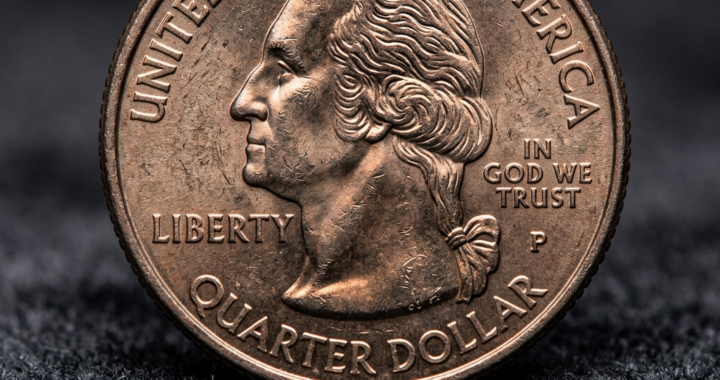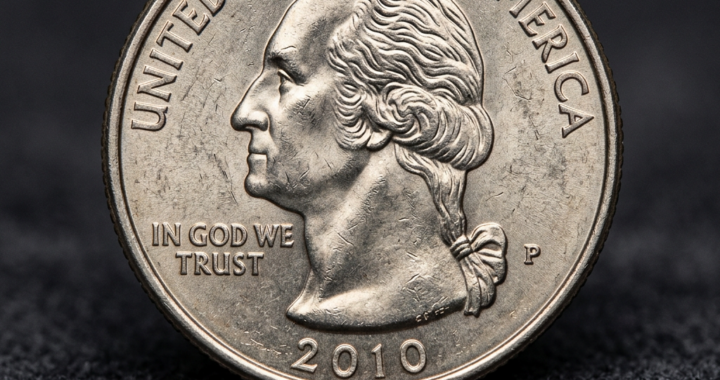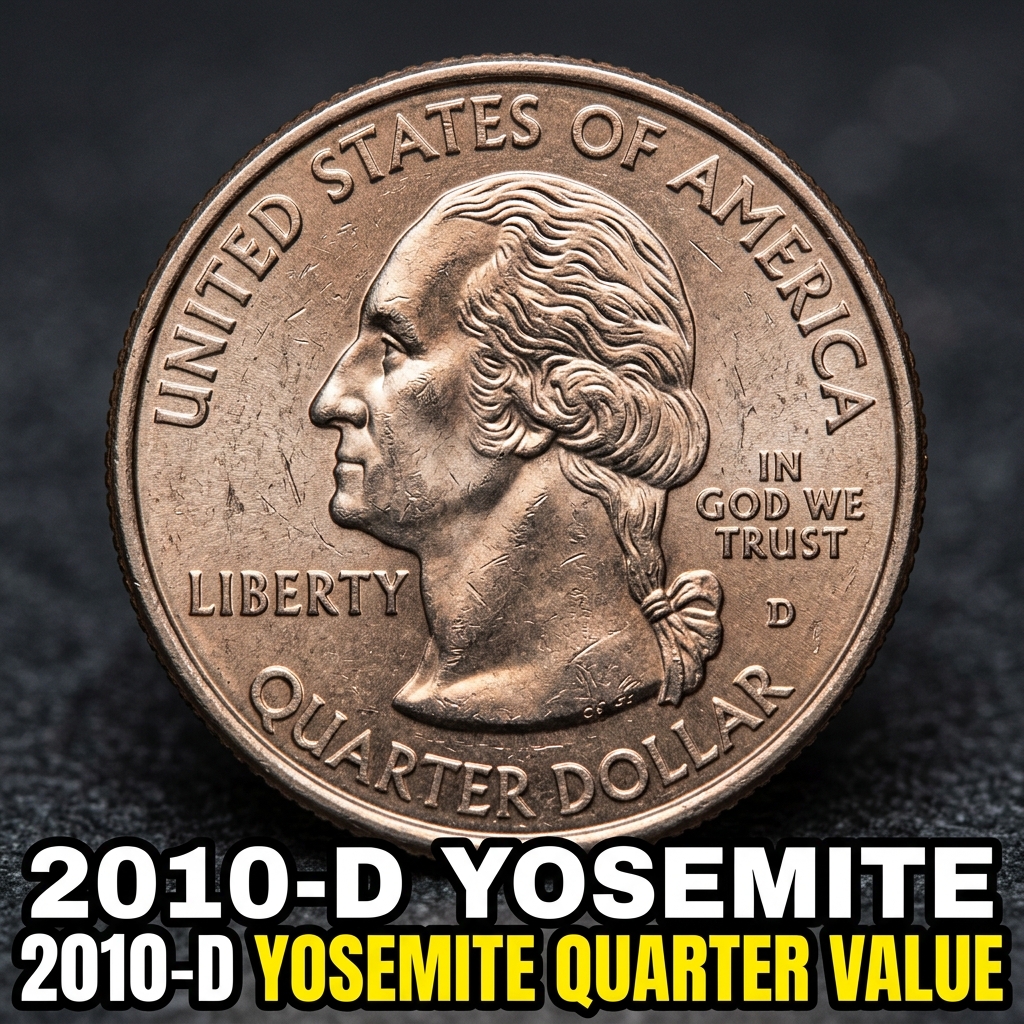
The 2010-D Yosemite Quarter is worth anywhere from 25 cents in circulated condition to $10 or more in higher mint state grades, with top-certified examples occasionally fetching $50 or beyond. If you found one of these in your change jar or inherited a coin collection, you’re in the right place — let’s break down exactly what it’s worth.
Whether you’re new to coin collecting or just curious about what you’ve got, using the best coin identifier app is a quick and easy way to get a first look at your coin’s grade and approximate value before diving deeper into research.
—
What Is the 2010-D Yosemite Quarter?
The 2010-D Yosemite Quarter is part of the America the Beautiful Quarters Program, a U.S. Mint series launched in 2010 to honor national parks and historic sites across all 50 states, territories, and the District of Columbia. The “D” mintmark means this coin was struck at the Denver Mint. Yosemite National Park, located in California, was the fifth design released that year. The reverse features El Capitan, one of Yosemite’s most iconic granite formations, along with a meadow and conifer trees. The obverse still carries the classic portrait of George Washington. The Denver Mint produced approximately 1.4 billion of these coins — yes, billion — which is one of the main reasons most circulated examples are only worth face value. High mintage keeps common-grade coins common. But that doesn’t mean every 2010-D Yosemite Quarter is worth just a quarter. Condition matters a lot.
—
2010-D Yosemite Quarter Value by Grade
The condition of your coin is the biggest factor in determining its value. Coin grading follows a 70-point Sheldon scale, where 1 is barely identifiable and 70 is perfect. Here’s a general breakdown of what you can expect:
| Grade | Condition Description | Estimated Value |
|---|---|---|
| Circulated (G-VF) | Worn, visible scratches or dullness | $0.25 (face value) |
| Extremely Fine (EF-45) | Light wear on high points | $0.50 – $1.00 |
| MS-63 | Mint state, some bag marks | $2.00 – $5.00 |
| MS-65 | Gem uncirculated, sharp details | $8.00 – $15.00 |
| MS-67 and above | Superb gem, near perfect | $30.00 – $100+ |
For an in-depth look at certified sales data and auction results, you can explore detailed America the Beautiful quarter price records across different mint state grades to see how similar coins in this series have performed on the open market.
—
How to Identify a High-Value 2010-D Yosemite Quarter
Not every 2010-D Yosemite Quarter is created equal. There are a few things to look for that can push your coin’s value higher than average. First, check for full, sharp strikes on El Capitan’s rock face — weak strikes reduce collector appeal. Second, look at the luster. An uncirculated coin should have a bright, cartwheel-like shine when tilted under light. Third, surface preservation is critical. Any contact marks, hairlines, or discoloration drop the grade fast. If your coin looks pristine — never spent, no bag marks — it could be worth having it professionally graded by PCGS or NGC. A certified MS-67 example is genuinely rare in this series and can sell for multiples of what the same coin would fetch in a plastic flip. You can also use CoinHix to quickly estimate your coin’s value based on its visual condition before committing to a professional grading fee. It’s a smart first step that saves time and money.
—
Error Coins and Special Varieties Worth More
One area where the 2010-D Yosemite Quarter can surprise you is in error coins. While rare, mint errors do occur even in modern coinage. Types to watch for include doubled die errors (where design elements appear doubled), off-center strikes (where the design is noticeably shifted), and die cap errors. If the date, lettering, or reverse design looks “off” in any way — not just worn, but actually misaligned or doubled — you may have something worth significantly more than a regular example. Error quarters from the America the Beautiful series have sold for anywhere from $50 to several hundred dollars depending on the type and severity. Don’t assume it’s damage before getting a second opinion. For a comprehensive overview of 2010 quarter values including error varieties and mint mark differences, it’s worth reviewing current market data to see where your coin stands.
—
Where to Sell Your 2010-D Yosemite Quarter
If you’ve determined your coin is worth more than face value, the next step is finding the right place to sell. For circulated coins worth less than a dollar, it’s honestly best to keep them or spend them — the time investment isn’t worth it. For uncirculated examples graded MS-65 or better, consider eBay (check “sold” listings, not asking prices), coin shows, or local coin dealers. For anything MS-67 or higher, professional certification through PCGS or NGC is strongly recommended before selling — buyers pay a premium for certified coins, and you’ll almost always net more money with the paperwork to back up the grade. CoinHix also provides a handy platform for tracking current market prices so you know you’re not leaving money on the table.
—
FAQ
Q: Is the 2010-D Yosemite Quarter rare?
A: No, it’s not rare in circulated condition — the Denver Mint produced over 1.4 billion of them. However, superb gem examples graded MS-67 or higher are genuinely scarce and can be worth $50 to $100 or more.
Q: What does the “D” mintmark mean on my quarter?
A: The “D” stands for the Denver Mint, one of two main minting facilities that produced 2010 Yosemite Quarters. The other was the Philadelphia Mint, which used a “P” mintmark. Both are similarly common in circulated grades.
Q: Should I clean my 2010-D Yosemite Quarter to make it look nicer?
A: Absolutely not. Cleaning a coin — even gently — removes the original surface and luster, which dramatically reduces its collector value. A cleaned coin that could have graded MS-65 might only be worth a fraction of that after cleaning. Leave it exactly as you found it and let a professional evaluate it first. CoinHix can help you get a quick value estimate without ever having to touch or alter the coin.