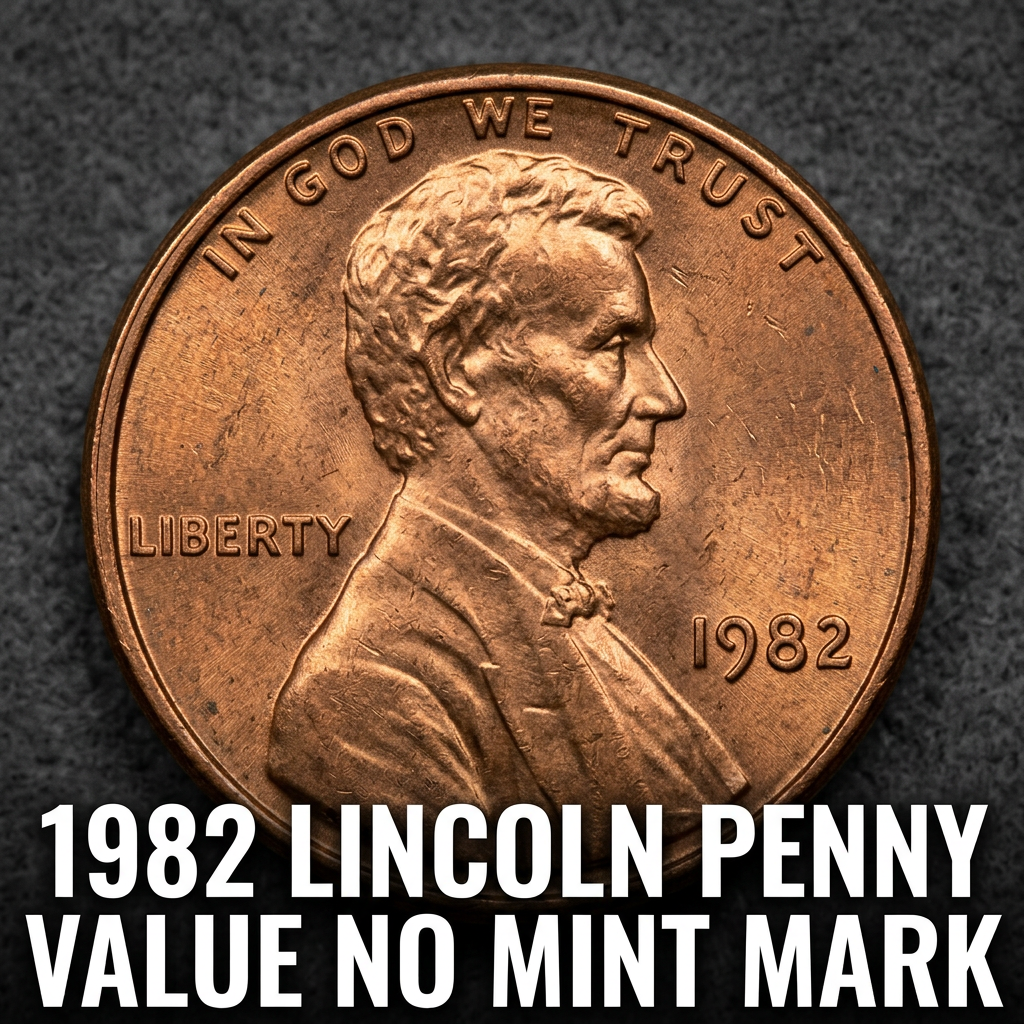
The 1982 Lincoln penny with no mint mark is worth anywhere from 1 cent in heavily worn condition to over $10,000 in top-grade mint state — and yes, that wide range is real, because this particular year came in multiple varieties that collectors absolutely obsess over. If you’ve got one sitting in a jar or pocket change, it’s worth a closer look.
What Makes the 1982 Lincoln Penny So Special
The year 1982 was a turning point for the U.S. Mint. That was the year the government switched penny composition from 95% copper to a zinc core with a thin copper plating. The problem? Both versions were produced during the same year, at the same mints, making 1982 one of the most complex and exciting years in modern penny collecting.
A 1982 Lincoln penny with no mint mark was struck at the Philadelphia Mint, which traditionally doesn’t stamp a mint mark on its coins. That means your coin came from Philly — but the bigger question is: is it copper or zinc? And is the date large or small? Those two variables create up to seven distinct varieties for 1982 pennies, and some are far more valuable than others.
Using the best coin identifier app can help you quickly figure out which variety you’re holding, especially if you’re not sure how to distinguish copper from zinc or spot the subtle date differences.
How to Tell Copper from Zinc (And Why It Changes Everything)
The easiest way to tell a copper 1982 penny from a zinc one is by weight. A copper penny weighs 3.1 grams. A zinc penny weighs 2.5 grams. That small difference can mean hundreds — or even thousands — of dollars.
If you don’t have a scale, try the drop test. A copper penny makes a higher-pitched ring when dropped on a hard surface. A zinc penny sounds duller and flatter. It’s not a perfect test, but it’s a quick way to get a first impression.
Once you know the metal, you’ll want to identify the date size. Hold the coin up to good lighting and compare the “8” and “2” in the date. The large date has a more open, rounded look, while the small date appears slightly squished or compact. The small date copper variety is the one that gets collectors excited — in higher grades, it can fetch serious money.
CoinHix makes this process much easier. The app can analyze your coin’s details and match it to known varieties, giving you a fast, reliable identification right from your phone.
1982 Lincoln Penny No Mint Mark Value Chart
Here’s a quick breakdown of approximate values based on variety and condition:
| Variety | Metal | Good (G-4) | MS-63 | MS-65+ |
|---|---|---|---|---|
| Large Date | Copper | $0.01–$0.05 | $0.50–$2 | $5–$15 |
| Small Date | Copper | $0.25–$1 | $10–$50 | $500–$10,000+ |
| Large Date | Zinc | $0.01 | $0.25–$1 | $2–$10 |
For a deeper look at current market prices for the 1982 Lincoln penny in mint red condition, the data is updated regularly and reflects real collector demand.
Grading Your 1982 Penny and What Condition Means for Value
Coin grading can seem intimidating, but the basics are pretty simple. The main thing collectors look at is how much of the original surface detail and luster survives.
– Circulated coins (grades G through EF) have visible wear on Lincoln’s cheek, the lettering, and the wheat-style memorial reverse. Most of these are worth face value to a few cents unless you’ve got a small date copper.
– Uncirculated coins (MS-60 through MS-70) were never spent. They still have their original shine and sharp details. These are the ones worth real money, especially in MS-65 Red or higher.
– Red designation matters a lot. Copper coins that still show their original red-orange color are graded “Red” (RD) and command the highest premiums.
If you’re serious about finding out exactly what your 1982 Lincoln penny with no mint mark is worth, check out this detailed guide covering 1982 penny values across all grades and varieties — it’s one of the most thorough resources available for everyday collectors.
Tips for Selling or Holding Your 1982 Penny
Once you know what you have, you’ll need to decide whether to sell, hold, or get it professionally graded. Here’s what most experienced collectors suggest:
If your coin grades below MS-60, it’s likely not worth the cost of professional grading (usually $20–$50 per coin through PCGS or NGC). Just sell it as-is through eBay or a local coin dealer.
If you think you have a small date copper in uncirculated condition, professional grading is worth every penny. A certified MS-65 RD small date copper 1982 penny from Philadelphia can sell for hundreds to thousands of dollars on the open market.
CoinHix is a smart first step before spending money on grading. The app helps you get a ballpark estimate of your coin’s grade and value so you can make an informed decision. It’s free to download and easy to use — just take a clear photo and let it do the work.
—
FAQ
Q: Is a 1982 penny with no mint mark rare?
A: The 1982 Lincoln penny with no mint mark isn’t rare in most varieties — billions were minted. However, the small date copper version without a mint mark is genuinely scarce and highly sought after by collectors, especially in uncirculated condition.
Q: How do I know if my 1982 penny is copper or zinc?
A: The most reliable method is weighing it. A copper penny weighs 3.1 grams and a zinc penny weighs 2.5 grams. You can also use the sound test — copper rings slightly higher when dropped. Apps like CoinHix can also help you identify the composition quickly using visual analysis.
Q: Where is the best place to sell a valuable 1982 penny?
A: For common circulated examples, eBay or a local coin shop works fine. For potentially valuable varieties like the small date copper in high grade, consider getting it certified by PCGS or NGC first, then selling through a reputable auction house or a specialized coin dealer who understands the 1982 penny market.