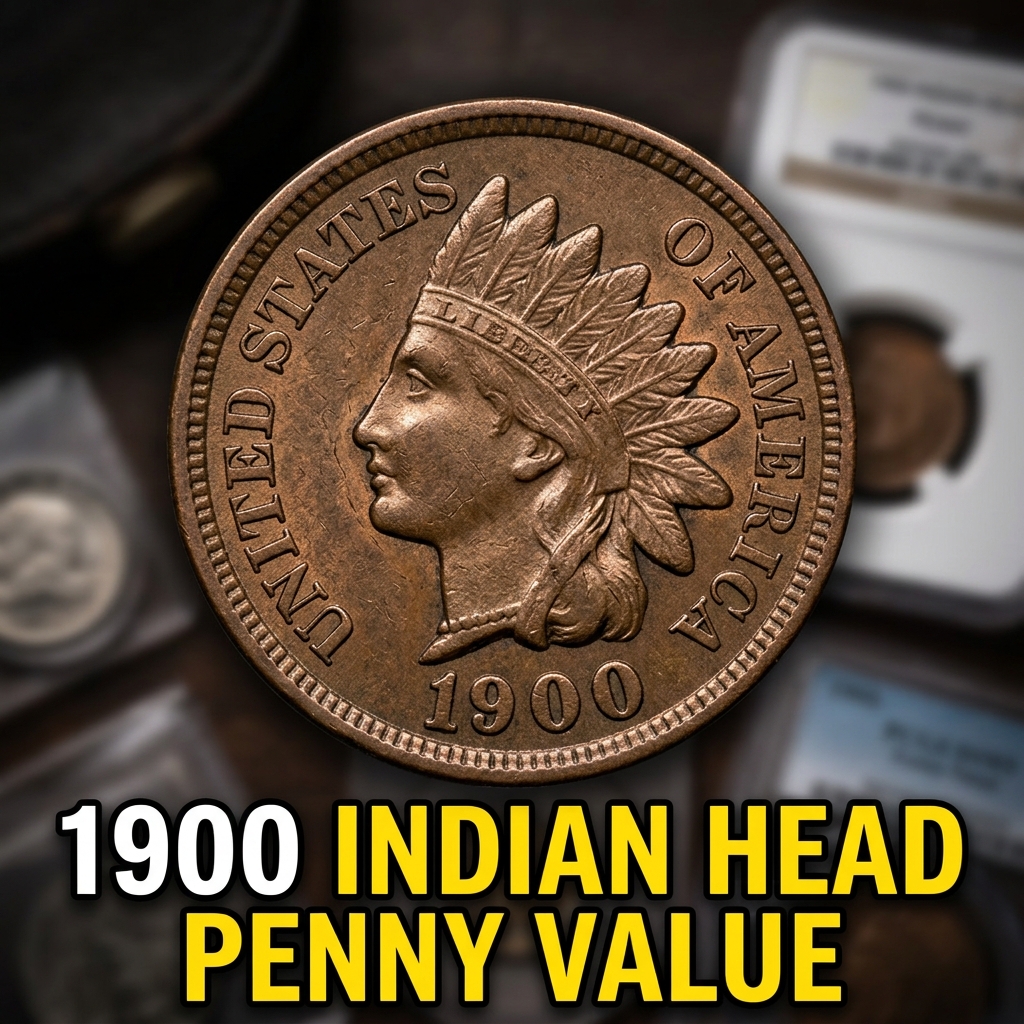
The 1900 Indian Head Penny is worth anywhere from $2 in heavily worn condition to over $100 or more in mint state, with some high-grade examples selling for several hundred dollars at auction. Whether you just found one in an old jar or inherited it from a grandparent, this little copper coin is definitely worth a closer look.
What Makes the 1900 Indian Head Penny Special
The Indian Head Penny series ran from 1859 to 1909, and by 1900, the Philadelphia Mint was pumping out millions of these coins each year. The 1900 issue had a mintage of over 66 million — so they’re not rare, but they’re not worthless either. Age alone gives them appeal, and collectors love the classic design featuring Lady Liberty wearing a Native American headdress (despite what the name suggests, it’s not actually a Native American on the coin).
If you want to quickly identify what you have, using the best coin identifier app can save you a lot of guesswork. A good app will help you match your coin’s details and condition to real market data in seconds. Tools like CoinHix are especially handy for everyday people who aren’t professional numismatists but still want accurate information fast.
1900 Indian Head Penny Value by Grade
The condition of your coin — known as its “grade” in collector terms — is the biggest factor in determining value. A coin that’s been sitting in circulation for decades will look very different from one that was tucked away in a collection shortly after it was minted.
Here’s a general breakdown of what you can expect:
| Grade | Description | Estimated Value |
|---|---|---|
| Good (G-4) | Heavy wear, outline visible | $2 – $4 |
| Fine (F-12) | Moderate wear, some detail | $5 – $10 |
| Extremely Fine (EF-40) | Light wear, sharp features | $20 – $35 |
| About Uncirculated (AU-55) | Slight wear on high points | $40 – $65 |
| Mint State (MS-63) | No wear, minor marks | $75 – $120 |
| Mint State (MS-65+) | Gem quality, full red luster | $200 – $500+ |
For the most up-to-date pricing, you can check the 1900 Indian Head Penny MS-RD price data on CoinHix, which tracks real auction results and market trends across different grades.
How to Tell What Condition Your Coin Is In
Grading coins takes practice, but even a beginner can get a rough sense of where their 1900 Indian Head Penny falls. Look at the feathers on Lady Liberty’s headdress — if you can count individual feathers and see crisp detail, you’re likely looking at a Fine or better grade. If the design is flat and worn smooth, it’s probably in Good or About Good condition.
Color also matters for Indian Head Pennies. Mint state examples can come in three designations: Red (RD), Red-Brown (RB), and Brown (BN). Full red coins are the most desirable and command the highest premiums. Most circulated coins have turned brown over time, which is completely normal and doesn’t make them worthless — just less valuable than their uncirculated counterparts.
CoinHix makes this process easier with its visual grading guides and real-time price lookups. Instead of guessing, you can compare your coin side-by-side with graded examples and get a much clearer picture of what you have.
Are There Any Rare Varieties to Look For?
The 1900 Indian Head Penny was only struck at the Philadelphia Mint, so there are no mint marks to hunt for. However, collectors do look for die varieties — small differences in how the coin’s design was applied that can sometimes add value. These include repunched dates or slight doubling on design elements.
Most everyday examples won’t have these features, but it’s always worth examining your coin under magnification. A jeweler’s loupe or a decent macro phone camera can reveal details you’d otherwise miss.
For a full breakdown of what your specific coin might be worth based on its condition and color designation, the detailed 1900 penny value guide at Coin Value App is a great resource to bookmark. It walks you through valuation in plain language, which is perfect if you’re new to coin collecting.
Should You Clean Your 1900 Indian Head Penny?
Short answer: no. Cleaning a coin — even with mild soap and water — can strip its original surface and dramatically reduce its value. Collectors and professional graders can spot a cleaned coin immediately, and those coins often receive a “details” designation that tanks their market price. If your coin looks dirty or dark, leave it alone. Patina and original surfaces are part of what makes old coins authentic and desirable.
If you’re unsure what to do next, download CoinHix and scan your coin first. The app can help you understand what you have before you make any decisions that might affect its value.
—
Frequently Asked Questions
Q: How much is a 1900 Indian Head Penny worth today?
A: A 1900 Indian Head Penny in average circulated condition is typically worth between $2 and $10. In mint state with full red color, values can climb to $200 or more depending on the grade.
Q: Does the 1900 Indian Head Penny have any mint marks?
A: No. The 1900 Indian Head Penny was only produced at the Philadelphia Mint, which did not use a mint mark at that time. All genuine examples will have no mint mark on the reverse.
Q: Is it worth getting my 1900 Indian Head Penny professionally graded?
A: It depends on the coin’s condition. If it appears to be uncirculated or near-uncirculated with original red color, professional grading by PCGS or NGC could significantly increase its marketability and value. For heavily worn examples, the grading fee may not be worth it.