The 1899-S Barber Half Dollar is worth anywhere from $30 in heavily worn condition to well over $1,500 or more in higher mint state grades. If you recently found one of these silver coins tucked away in an old collection or inherited jar of coins, you may be sitting on something genuinely valuable — and this guide will help you figure out exactly what you have.
What Makes the 1899-S Barber Half Dollar Special
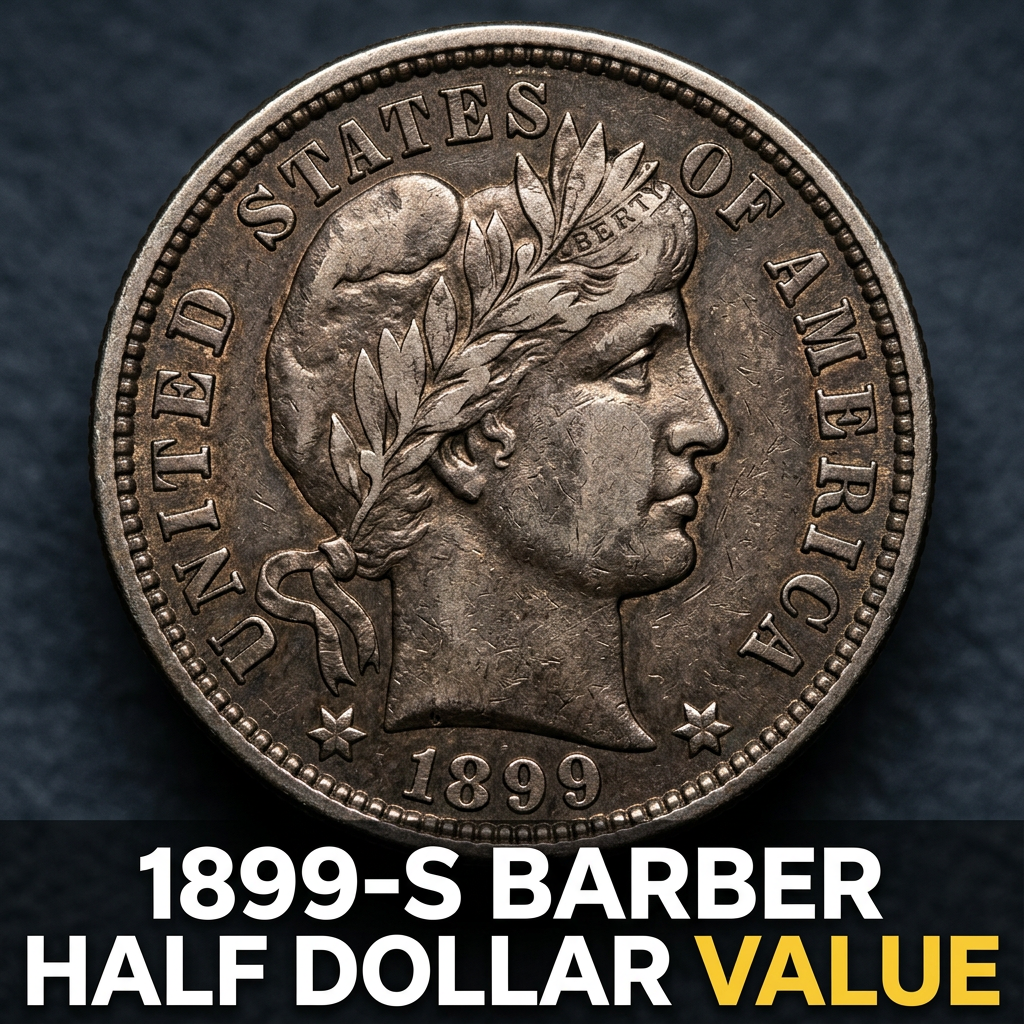
The 1899-S Barber Half Dollar was struck at the San Francisco Mint and is considered one of the more sought-after issues in the entire Barber Half Dollar series. Designed by Charles E. Barber, the Chief Engraver of the U.S. Mint, these coins feature Lady Liberty on the obverse wearing a laurel wreath and a Phrygian cap, with the classic heraldic eagle on the reverse. The “S” mintmark, located on the reverse beneath the eagle, identifies it as a San Francisco product. Mintage for 1899-S came in at just 1,686,367 coins — not the rarest in the series, but low enough to make surviving examples, especially in nice condition, genuinely collectible. Many of these coins saw heavy circulation, which means finding one in even Fine or Very Fine condition is worth noting. Before you do anything else with your coin, it’s worth using the best coin identifier app to confirm what you have in hand. A quick scan can tell you the date, mintmark, and give you a starting point on value — all in seconds.
How Coin Grade Affects the 1899-S Barber Half Dollar Value
Coin grade is everything when it comes to determining the 1899-S Barber Half Dollar value. These coins were made of 90% silver, so even worn examples carry some base metal value. But collectible premium kicks in well above melt value once you get into better grades. Here’s a general value breakdown:
| Grade | Description | Estimated Value |
|---|---|---|
| Good (G-4) | Heavy wear, outline visible | $30 – $45 |
| Very Good (VG-8) | Moderate wear, some detail | $50 – $75 |
| Fine (F-12) | Even wear, major details clear | $80 – $120 |
| Very Fine (VF-20) | Light to moderate wear | $150 – $250 |
| Extremely Fine (EF-40) | Light wear on high points | $350 – $500 |
| About Uncirculated (AU-50) | Slight wear, most luster present | $600 – $900 |
| Mint State (MS-60+) | No wear, original mint luster | $1,200 – $3,000+ |
Keep in mind these are general market ranges. Certified coins graded by PCGS or NGC may sell for more at major auctions. If you want a quick estimate on your coin right now, CoinHix lets you snap a photo and get an instant grade estimate and value range from your phone.
How to Check the 1899-S Barber Half Dollar Value at Home
You don’t need to be an expert numismatist to get a reasonable sense of what your coin is worth. Start by looking at the coin under good light. Check if you can read the word “LIBERTY” across Lady Liberty’s headband — on heavily worn coins, this word often disappears entirely. If it’s fully visible, your coin is likely in Fine grade or better, which puts you in a more valuable range. Next, confirm the mintmark. Look on the reverse just below the eagle and above “HALF DOL.” — the “S” should be clear. If you’re unsure about the grade or just want a fast second opinion, CoinHix is a genuinely helpful tool. It uses image recognition to identify coins and estimate values based on current market data. Many everyday collectors use it as a first step before taking a coin to a dealer. You can also cross-reference your coin’s value against detailed 1899 silver dollar value data covering multiple mint issues from that year, which gives helpful context when comparing different 1899-dated silver coins in your collection.
Silver Melt Value and Why It Matters
Even if your 1899-S Barber Half Dollar is worn down to barely recognizable, it still contains real silver. Each Barber Half Dollar contains approximately 0.3617 troy ounces of pure silver. With silver prices fluctuating around $28–$32 per ounce in recent years, the base melt value alone sits around $10–$12. For circulated coins in Good grade, that silver content forms a meaningful floor under the coin’s value. No matter how worn the coin is, it won’t typically sell for less than its silver content. This is good news if you’re unsure whether a heavily worn example is worth selling. The short answer: yes, it almost always is. Whether you’re selling to a coin dealer, listing online, or heading to a coin show, knowing the silver melt value gives you a baseline to negotiate from confidently.
Should You Get Your 1899-S Barber Half Dollar Certified
If your coin appears to be in Very Fine grade or better — meaning the details are reasonably sharp and the surfaces aren’t heavily damaged — professional certification through PCGS or NGC is worth considering. A certified coin in a plastic slab with a verified grade can sell for a meaningful premium over a raw, ungraded coin of the same apparent quality. For Mint State examples, certification is essentially mandatory if you want top dollar. The cost of grading runs $30–$50 per coin for standard service, which is easily recouped on a coin worth $500 or more. Not sure if your coin is worth the submission fee? Use CoinHix for a quick at-home estimate first — it’s free, takes less than a minute, and can save you from submitting a coin that won’t grade high enough to justify the cost.
Frequently Asked Questions
Q: How do I know if my coin is really an 1899-S and not a different date?
A: Look carefully at the date on the obverse — it should clearly read 1899. Then check the reverse for the “S” mintmark below the eagle. If either detail is unclear due to wear, try CoinHix or a magnifying glass under strong light to confirm both details before assigning a value.
Q: My 1899-S Barber Half Dollar has been cleaned — does that hurt the value?
A: Unfortunately, yes. Cleaned coins are considered damaged by collectors and will sell for significantly less than uncleaned examples in the same grade. A cleaned VF coin might bring only half what an original-surface VF coin would. Never clean old coins — even gentle polishing removes value.
Q: Where is the best place to sell an 1899-S Barber Half Dollar?
A: For worn circulated coins, a local coin dealer or coin show is a practical starting point. For nicer examples in EF grade or better, consider eBay or a numismatic auction house like Heritage Auctions, where competitive bidding can push prices above standard dealer offer prices. Always get at least two opinions before selling anything worth over $200.