The 1918-D Wheat Penny is worth anywhere from $0.50 in heavily worn condition to over $100 or more in well-preserved mint state grades. If you recently found one of these old Lincoln cents in a coin jar, a drawer, or an inherited collection, you’re in the right place to find out exactly what it’s worth.
What Makes the 1918-D Wheat Penny Special
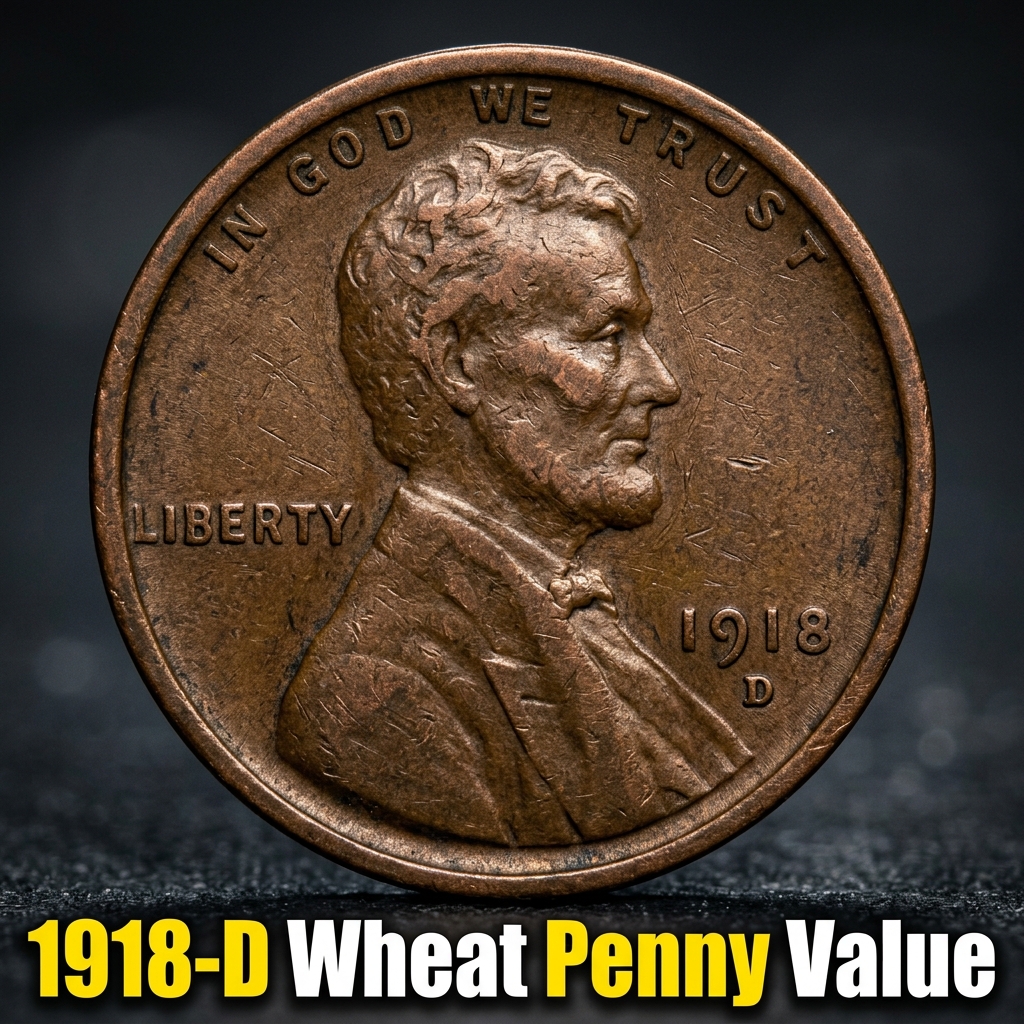
The 1918-D Wheat Penny was struck at the Denver Mint during World War I, a period when the U.S. Mint was producing enormous quantities of cents to meet everyday commerce demands. The small “D” mintmark located just below the date on the obverse tells you right away that this coin came from Denver. That mintmark matters — Denver issues from this era often carry a premium over their Philadelphia counterparts simply because collectors actively seek them out.
If you’ve got one of these coins in hand and want a quick, reliable identification, try using the best coin identifier app available today. It can help you confirm the mintmark, date, and even estimate a grade just from a photo.
What’s also interesting about this coin is its historical context. Americans were tightening their belts during the war, and these humble one-cent pieces were circulating through factories, shops, and homes across the country. Surviving examples in good condition are more than a century old, which makes even a worn specimen a tangible piece of American history.
1918-D Wheat Penny Value by Grade
Coin values depend heavily on condition, also called “grade.” A coin that shows heavy wear will always be worth less than one that looks nearly new. Here’s a breakdown of typical 1918-D Wheat Penny values across common grades:
| Grade | Description | Estimated Value |
|---|---|---|
| Good (G-4) | Heavy wear, outline visible | $0.50 – $1.50 |
| Fine (F-12) | Moderate wear, some detail | $2 – $5 |
| Extremely Fine (EF-40) | Light wear on high points | $10 – $20 |
| About Uncirculated (AU-55) | Slight wear, mostly sharp | $30 – $55 |
| Mint State (MS-63) | No wear, minor contact marks | $75 – $120 |
| Mint State (MS-65 RD) | Gem quality, full red luster | $300+ |
For more precise market data, you can check the current 1918-D Wheat Penny price data in MS Red grades to see what certified examples are actually selling for at auction right now. Markets shift, and real-time data always beats outdated price guides.
How to Identify Your 1918-D Wheat Penny
Identifying a 1918-D Wheat Penny is straightforward once you know what to look for. Flip the coin over and look at the obverse — that’s the side with Lincoln’s portrait. Just below the “1918” date, you should see a small letter “D.” No mintmark means it’s a Philadelphia coin, and an “S” means San Francisco.
Beyond the mintmark, look at Lincoln’s cheekbone and the wheat stalks on the reverse. These areas wear down first in circulation. A coin where you can still see the fine hair strands above Lincoln’s ear and the individual lines in the wheat stalks is in significantly better shape — and worth considerably more.
CoinHix is a great tool for this step. The CoinHix app lets you scan your coin and get an instant condition estimate along with current market values, which is especially helpful if you’re new to coin collecting and aren’t sure how to grade your coin objectively.
What Affects the 1918-D Wheat Penny Value Beyond Grade
Grading is the biggest factor, but it’s not the only one. Here are a few other things that influence what a 1918-D Wheat Penny is actually worth:
Color designation plays a big role in mint state coins. Red (RD) coins — those that have retained their original copper luster — command significantly higher prices than Red-Brown (RB) or Brown (BN) examples in the same grade.
Certification also adds real value. A coin graded and encapsulated by PCGS or NGC will typically sell for more than a raw (uncertified) coin of the same apparent quality because buyers trust the independent grade.
Strike quality matters too. Some 1918-D cents were weakly struck, particularly on the hair detail above Lincoln’s ear. A sharply struck example of this date stands out and is more desirable to serious collectors.
For a full breakdown of what your specific 1918-D Wheat Penny might be worth based on all these factors, check out this detailed 1918 penny value guide with grading tips and price ranges — it’s a solid reference for both beginners and more experienced hobbyists.
Should You Sell, Hold, or Get It Graded
If your 1918-D Wheat Penny looks worn and shows heavy circulation, it’s probably worth a dollar or two at most to a dealer. That’s still cool — it’s over 100 years old! But if your coin has sharp details, nice color, and no major marks or cleaning, it may be worth having it professionally graded before selling.
Getting a coin certified by PCGS or NGC costs money upfront, but it can dramatically increase what buyers are willing to pay. A raw MS-63 coin might sell for $60, while a PCGS-certified MS-63 RD example could easily fetch $100 or more.
Use CoinHix to get a preliminary value estimate before you spend money on certification. It’s a smart first step that could save you time and help you prioritize which coins are worth submitting.
Frequently Asked Questions
Q: How do I know if my 1918-D Wheat Penny is valuable?
A: Start by checking the condition. If the lettering is sharp, Lincoln’s facial features are clear, and the coin hasn’t been cleaned or damaged, it could be worth anywhere from $10 to several hundred dollars. Use a magnifier and compare it to grading images online or use the CoinHix app for a quick estimate.
Q: Is a 1918-D penny rarer than a 1918 Philadelphia penny?
A: The 1918-D had a mintage of about 47.8 million coins compared to over 288 million from Philadelphia. That makes the Denver issue notably scarcer, and it typically commands higher prices across all grades.
Q: Should I clean my 1918-D Wheat Penny before selling it?
A: No — please don’t clean it. Cleaning a coin removes its natural patina and almost always reduces its value significantly. Coin collectors and dealers can spot a cleaned coin immediately, and cleaned coins are typically worth far less than naturally toned examples in the same grade.