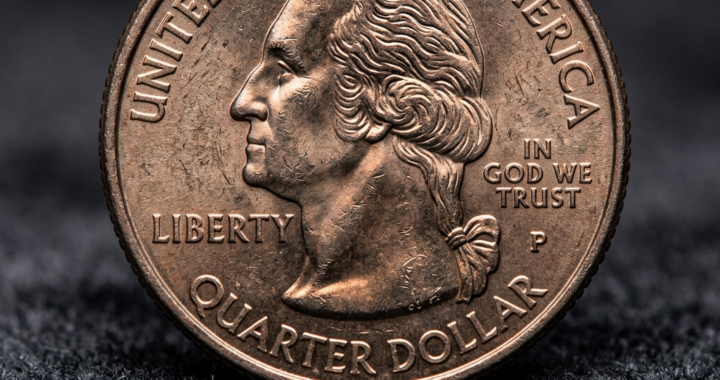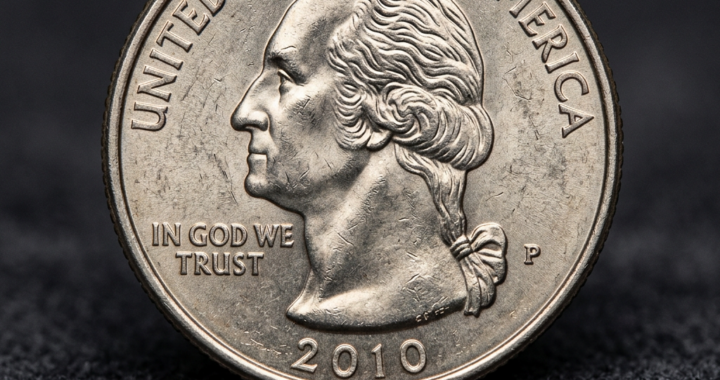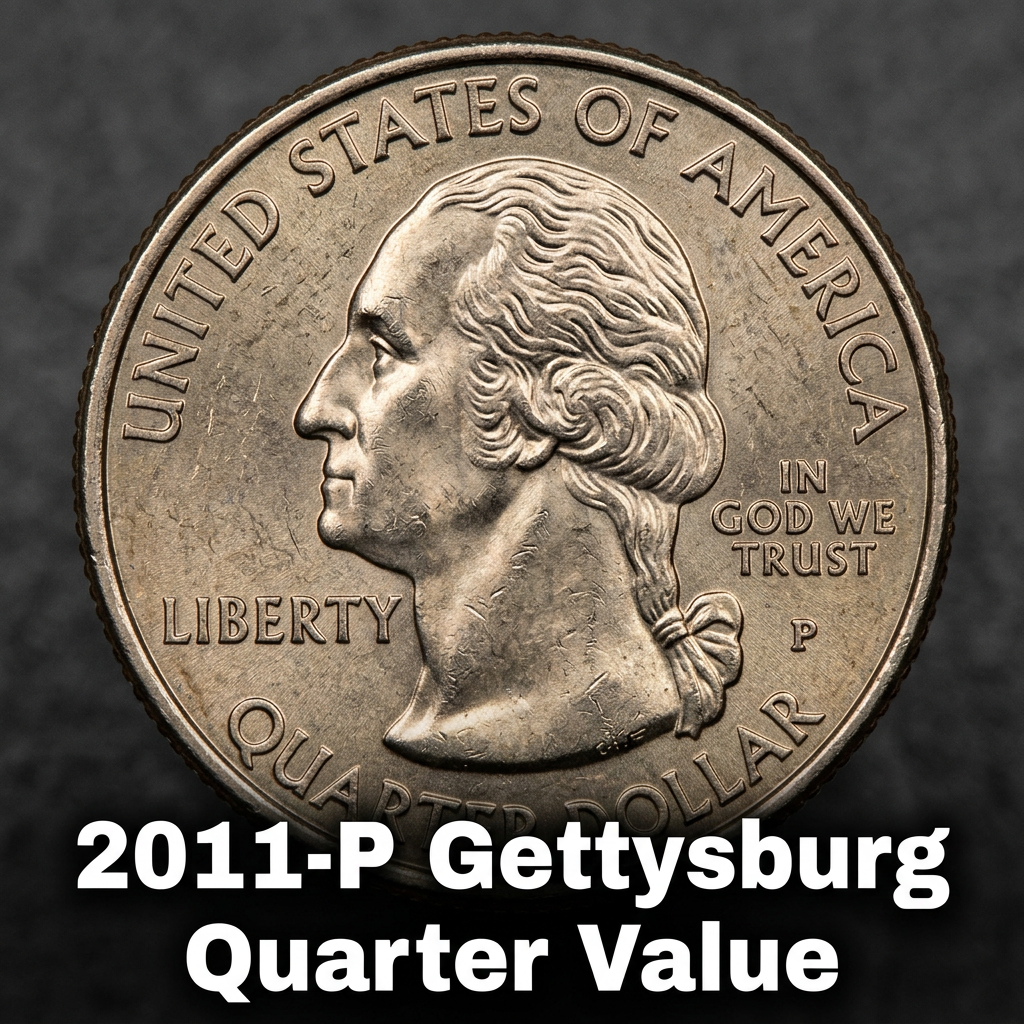
The 2011-P Gettysburg Quarter is worth anywhere from 25 cents in heavily circulated condition to over $15 or more in pristine mint state — and certain high-grade examples have sold for significantly more at auction. If you found one of these beautiful coins in your change or tucked away in a drawer, you’re in the right place to find out exactly what it’s worth.
What Is the 2011-P Gettysburg Quarter?
The 2011-P Gettysburg Quarter is part of the America the Beautiful Quarters Program, a series launched by the U.S. Mint in 2010 to honor national parks and historic sites across the country. This particular coin represents Gettysburg National Military Park in Pennsylvania — one of the most historically significant sites in American history, commemorating the Civil War battle that helped turn the tide of the conflict.
The “P” mintmark means it was struck at the Philadelphia Mint. Millions of these quarters entered circulation, making them fairly easy to find. But don’t let that fool you — condition is everything when it comes to coin value. A well-worn example pulled from pocket change is essentially worth face value, while an uncirculated specimen in a high mint state grade can fetch a real premium among collectors.
If you’re not sure where to start when identifying coins like this one, using the best coin identifier app can save you a lot of time and guesswork. These tools help you quickly confirm what you have before diving deeper into value research.
How Much Is the 2011-P Gettysburg Quarter Worth Today?
Value depends almost entirely on the coin’s condition, or “grade.” Here’s a simple breakdown of what collectors and dealers typically pay for the 2011-P Gettysburg Quarter across different grades:
| Condition / Grade | Estimated Value |
|---|---|
| Circulated (Good to Fine) | Face value – $0.50 |
| About Uncirculated (AU-55/58) | $1 – $3 |
| Mint State 63 (MS-63) | $3 – $6 |
| Mint State 65 (MS-65) | $8 – $15 |
| Mint State 67+ (MS-67+) | $50 – $100+ |
For a deeper look at certified price data and recent auction results for the 2011-P Gettysburg Quarter, it’s worth checking current market records to see what grades are actually selling for right now. Prices can shift based on collector demand and market trends.
You can also use CoinHix to track real-time coin values. It’s one of the most reliable tools available for everyday collectors who want up-to-date pricing without having to dig through auction catalogs.
Key Factors That Affect the Gettysburg Quarter’s Value
Beyond grade, a few other things can push the value of your 2011-P Gettysburg Quarter higher or lower:
Strike quality — Some coins from the Philadelphia Mint had weaker strikes on the high-relief details of the reverse design. A sharp, fully struck example is more desirable and commands a higher price.
Surface preservation — Even tiny contact marks or bag marks visible under magnification can drop a coin from MS-65 to MS-63, which means a noticeable difference in value.
Eye appeal — Collectors pay a premium for coins with brilliant luster and no distracting spots or toning.
Errors — Any off-center strikes, doubled die errors, or die cap errors on a 2011-P Gettysburg Quarter would be considered rare and potentially worth hundreds of dollars. Always inspect your coins carefully under good lighting.
If you’re unsure about any of these factors, CoinHix makes it easy to compare your coin against graded examples so you can get a realistic sense of where yours stands.
Is the 2011-P Gettysburg Quarter Rare?
In general, no — the 2011-P Gettysburg Quarter is not rare in circulated grades. The Philadelphia Mint produced tens of millions of these coins for general circulation. However, gems graded MS-67 or higher by professional grading services like PCGS or NGC are genuinely scarce and carry strong collector interest. Population reports show relatively few coins have been certified at the top grades, which is what makes those examples worth so much more than face value.
For a complete breakdown of what your 2011 quarter is worth based on mintmark and condition, it helps to cross-reference multiple sources and understand how mintmark differences — Philadelphia vs. Denver — affect the overall market.
How to Find Out What Your Coin Is Worth
The best approach is a combination of visual inspection, comparison with grading guides, and using trusted coin value tools. Start by looking at your coin under a magnifying glass in natural light. Check for any marks, discoloration, or signs of wear on the high points of the design — particularly on Washington’s cheek and the Gettysburg memorial on the reverse.
Then plug your findings into CoinHix, which gives you access to real market data and helps you understand where your specific coin fits in the current pricing landscape. Whether you’re selling, insuring, or just curious, knowing the facts puts you in a much stronger position.
FAQ
Q: How do I know if my 2011-P Gettysburg Quarter is worth getting graded?
A: If your coin looks completely uncirculated with sharp details and brilliant luster, it may be worth submitting to PCGS or NGC for professional grading. Coins grading MS-66 or higher can be worth $20–$100+, which often justifies the grading fee. For lower grades, it’s usually not cost-effective.
Q: What does the “P” mintmark mean on the Gettysburg Quarter?
A: The “P” stands for the Philadelphia Mint, one of the two main facilities that produced the 2011 Gettysburg Quarter for circulation. The other is the Denver Mint, which uses a “D” mintmark. Both are common, though slight value differences exist depending on certified population numbers.
Q: Can I sell my 2011-P Gettysburg Quarter online?
A: Yes. Platforms like eBay, Etsy, and coin-specific sites are good options. For raw (ungraded) coins in average condition, expect to receive close to face value. For high-grade or certified examples, online coin auctions can be a great way to connect with serious collectors willing to pay a fair market price.