The 2010-D Sacagawea Dollar is worth between $1.05 and $5 in typical circulated condition, but well-preserved uncirculated examples can fetch $10 to $30 or more depending on grade. If you found one in your change jar or inherited a collection, here’s everything you need to know about its value.
What Is the 2010-D Sacagawea Dollar?
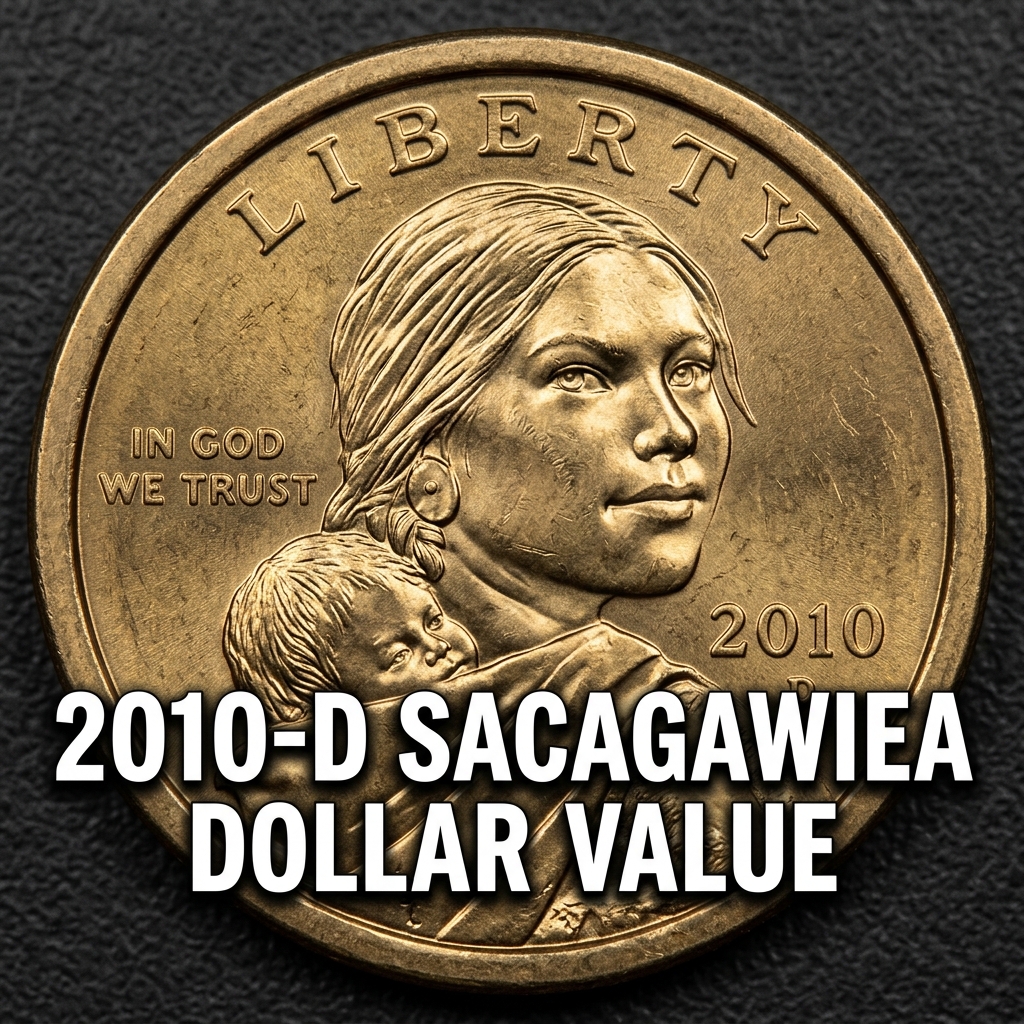
The 2010-D Sacagawea Dollar is part of the Native American Dollar series, which began in 2009 as a redesign of the original Sacagawea Golden Dollar. The “D” mint mark tells you this coin was struck at the Denver Mint. In 2010, the reverse design featured the Great Tree of Peace — a white pine tree — along with imagery honoring the Haudenosaunee Confederacy and its influence on American democracy. It’s a beautiful and historically meaningful coin, which is part of what makes collectors take notice.
On the obverse (heads side), you’ll still see Glenna Goodacre’s iconic portrait of Sacagawea carrying her infant son Jean Baptiste. The edge lettering reads “E PLURIBUS UNUM,” the date, and the mint mark. These edge inscriptions are sometimes faint on worn coins, which can be a clue to the coin’s condition and handling history.
If you’re not sure whether what you have is a Sacagawea Dollar or something else, using the best coin identifier app can save you a lot of guesswork — just snap a photo and get an instant ID along with estimated value ranges.
How Much Is the 2010-D Sacagawea Dollar Worth?
For most people, the honest answer is: not a lot above face value if the coin is circulated. The Denver Mint produced over 48 million 2010-D Sacagawea Dollars, so there’s no shortage of supply. However, condition is everything in the coin world.
Here’s a general value breakdown based on coin grade:
| Condition | Grade (Sheldon Scale) | Estimated Value |
|---|---|---|
| Circulated (worn) | VF-20 to AU-55 | $1.05 – $2.50 |
| Uncirculated | MS-60 to MS-64 | $3 – $10 |
| Gem Uncirculated | MS-65 | $12 – $20 |
| Superb Gem | MS-66 and above | $25 – $50+ |
For the most current auction results and market pricing on higher-grade examples, you can check out recent 2010 Native American Dollar MS grade price data to see what buyers are actually paying right now.
What Makes Some 2010-D Dollars Worth More?
While most 2010-D Sacagawea Dollars are common coins, a few factors can push value higher:
Strike quality: Some coins from this series show weak strikes, especially on the high points of Sacagawea’s cheekbone and the reverse design elements. Coins with sharp, full strikes are rarer and more desirable.
Luster and eye appeal: A coin that still has its original golden sheen, without spots, toning, or cleaning marks, will always command a premium over a dull or cleaned example.
Professional grading: Coins graded and encapsulated by PCGS or NGC in grades of MS-66 or higher can sell for multiples of what a raw coin might bring. If you think you have a particularly nice example, professional grading might be worth the investment.
Errors: While no major well-known errors exist for the 2010-D series, doubling, die cracks, and off-center strikes do occasionally surface and can be worth significantly more to error coin collectors.
The CoinHix app lets you track prices across grades and see recent sales, so you’re never guessing when it comes to knowing what a coin is worth in today’s market.
Mint Sets and Satin Finish Versions
In 2010, the U.S. Mint also included Sacagawea Dollars in official Mint Sets. Coins from these sets often have a slightly different surface finish — sometimes called “satin finish” — which collectors distinguish from regular business strikes. These set versions typically carry a small premium over pulled-from-circulation examples and are usually in better condition since they were never spent.
If you have a 2010-D Dollar still in its original government packaging, hold onto that packaging — it adds to the coin’s appeal and authenticity in collectors’ eyes.
For a detailed breakdown of the full 2010 Sacagawea Dollar value across all mint marks and conditions, including Proof versions, that resource is worth bookmarking.
Should You Hold or Sell Your 2010-D Sacagawea Dollar?
If you’ve got a circulated 2010-D in average shape, you’re looking at barely more than face value — so spending it or keeping it as a pocket piece is perfectly reasonable. But if you have a roll of uncirculated coins or a gem-quality example in a slab, it’s worth checking current market prices before you do anything with it.
Use CoinHix to scan recent sold listings and get a real-time feel for the market, or take your coin to a local dealer for a free informal assessment. Either way, don’t sell anything graded MS-66 or higher without doing your homework first.
Frequently Asked Questions
Q: Is the 2010-D Sacagawea Dollar made of gold?
A: No, despite its golden color, the coin is not gold. It’s made of a manganese-brass alloy over a pure copper core. The golden color comes from the metal composition, not any gold content.
Q: How do I know if my 2010-D Sacagawea Dollar is uncirculated?
A: Look for original luster — a coin that has never been used in commerce will have a bright, almost cartwheel-like shine when you tilt it under a light. Any wear on the high points of the design means it’s been circulated. The CoinHix app can help you compare your coin to graded examples to estimate its condition.
Q: Where is the mint mark on a 2010-D Sacagawea Dollar?
A: The mint mark “D” is located on the edge of the coin, along with the date and the motto “E PLURIBUS UNUM.” You’ll need to look at the edge carefully — tilt the coin toward the light and rotate it slowly to read the incuse lettering.