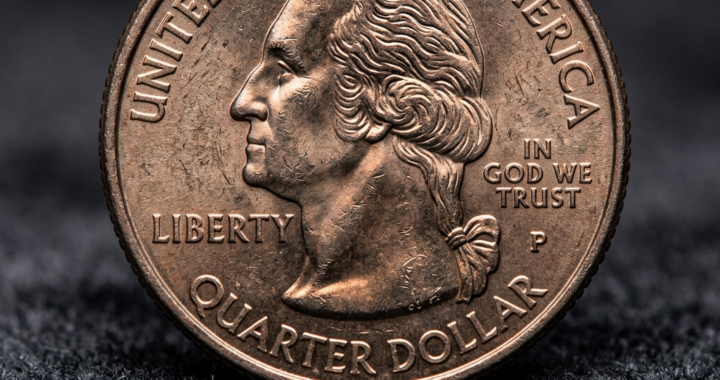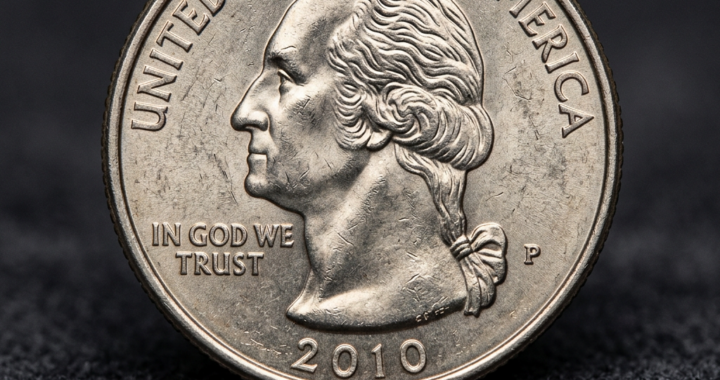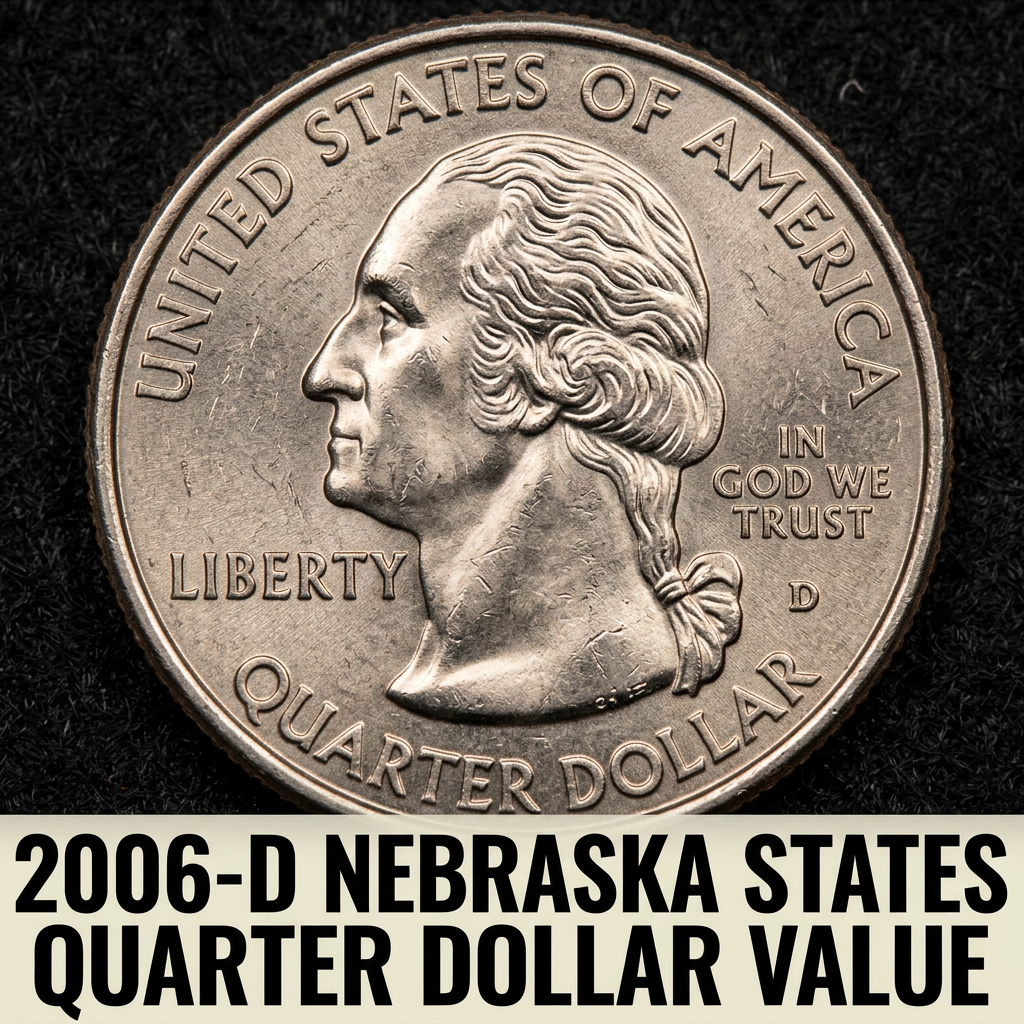
The 2006-D Nebraska State Quarter is worth anywhere from 25 cents in circulated condition to around $5–$15 in uncirculated grades, with top-condition examples graded MS-67 or higher fetching $50 or more at auction. If you just found one in your change jar or inherited a collection, you’re in the right place to learn exactly what you’ve got.
What Makes the 2006-D Nebraska Quarter Special
The 2006-D Nebraska State Quarter was struck at the Denver Mint as part of the United States Mint’s 50 State Quarters Program, which ran from 1999 to 2008. Nebraska was the 37th state to be featured, and its quarter showcases Chimney Rock — one of the most iconic landmarks along the historic Oregon Trail — against a wide open prairie sky. It’s a beautiful design that resonates with American history fans and coin collectors alike.
The “D” mint mark on this coin tells you it came from the Denver Mint, as opposed to the Philadelphia Mint (which produced the 2006-P Nebraska quarter). Both versions were made in enormous quantities — hundreds of millions of coins — which is why most circulated examples are only worth face value. But condition is everything in coin collecting, and a pristine, uncirculated example is a different story entirely.
If you’re just getting started and want to quickly identify coins in your collection, using the best coin identifier app can save you a lot of time and guesswork before diving into a full valuation.
2006-D Nebraska Quarter Value by Condition
Most people find these quarters in everyday pocket change, which means they’re circulated — worn from years of handling. A circulated 2006-D Nebraska quarter is worth exactly 25 cents. However, uncirculated coins (those never used in commerce) carry a small but real premium, especially if they’re well-struck with full luster and no contact marks.
Here’s a general value breakdown based on grade:
| Grade | Condition | Estimated Value |
|---|---|---|
| Good to Fine | Heavily worn, circulated | $0.25 (face value) |
| MS-60 to MS-63 | Uncirculated, minor marks | $1–$3 |
| MS-64 to MS-65 | Choice uncirculated | $3–$8 |
| MS-66 | Gem uncirculated | $8–$20 |
| MS-67 and above | Superb gem | $50–$150+ |
For a live look at how similar State Quarter prices are trending, you can check out current market data on 2006 State Quarter prices by grade and mint mark, which gives you a real-time comparison across certified examples.
How Mint State Grading Affects the 2006-D Nebraska Quarter Price
If you believe your coin hasn’t been circulated, grading becomes the most important factor in determining its value. Professional coin graders at services like PCGS and NGC use a scale from MS-60 to MS-70 for mint state coins. The difference between an MS-65 and an MS-67 coin might seem small, but it can mean a tenfold jump in price.
Key things graders look for include luster (the original mint shine), strike quality (how sharp the design details are), and the presence of contact marks or hairline scratches from bag handling. For the 2006-D Nebraska quarter specifically, well-struck examples with full breast feathers on the eagle (on the reverse of the coin) and no distracting marks on the open field areas tend to grade higher.
CoinHix is a great tool for checking recent sales of graded State Quarters so you can benchmark what your coin might realistically sell for before paying for a professional grade.
Are There Any Valuable 2006-D Nebraska Quarter Errors?
Error coins can dramatically increase the value of an otherwise common quarter. With the 2006-D Nebraska State Quarter, collectors keep an eye out for a few known varieties and errors. These include die cracks, off-center strikes, doubled dies, and coins struck on the wrong planchet. Off-center errors — where the design is noticeably shifted to one side — can be worth anywhere from $20 to over $100 depending on how dramatic the shift is.
Doubled die errors, where design elements appear slightly doubled due to a misalignment during the die-making process, are among the most sought after. These can be subtle and are best examined under a loupe or magnifying glass. If you think you’ve spotted something unusual, CoinHix lets you compare your coin to documented error examples to see if yours matches a known variety.
For a broader look at what 2006 quarters are worth across all mints and varieties, including errors and special strikes, that resource breaks it down clearly and is a solid starting point for any beginner.
Should You Get Your 2006-D Nebraska Quarter Graded?
Honestly, for most circulated examples, professional grading isn’t worth the cost. Grading services typically charge $20–$40 per coin at a minimum, which doesn’t make financial sense for a quarter worth face value. However, if your coin looks pristine, has never been touched, and shows strong luster and sharp details, submitting it to PCGS or NGC could unlock real value — especially if it grades MS-67 or better.
Collector rolls and mint sets from 2006 are another area worth checking. If you have an original mint set from that year, the coins inside were never circulated and may grade out higher than typical bag rolls. CoinHix can help you identify whether a coin in a mint set has the kind of eye appeal that translates to a premium grade.
Frequently Asked Questions
Q: How much is a 2006-D Nebraska State Quarter worth today?
A: Most circulated examples are worth face value — 25 cents. Uncirculated coins in MS-65 condition are typically worth $3–$8, while superb gem examples graded MS-67 or higher can sell for $50 to over $150 in certified holders.
Q: What’s the difference between the 2006-D and 2006-P Nebraska quarter?
A: The only difference is the mint that produced them. The “D” stands for Denver and the “P” stands for Philadelphia. Both coins have similar values, though specific high-grade examples from each mint can vary slightly depending on supply in certified populations.
Q: Is it worth getting my 2006-D Nebraska quarter professionally graded?
A: Only if it’s clearly uncirculated and in exceptional condition. If it looks like it could grade MS-66 or higher, professional grading could be worthwhile. For average circulated coins, skip the grading fees and simply enjoy it as part of your State Quarter collection.