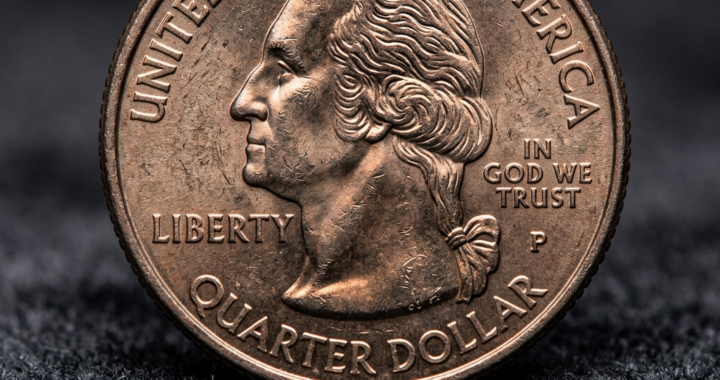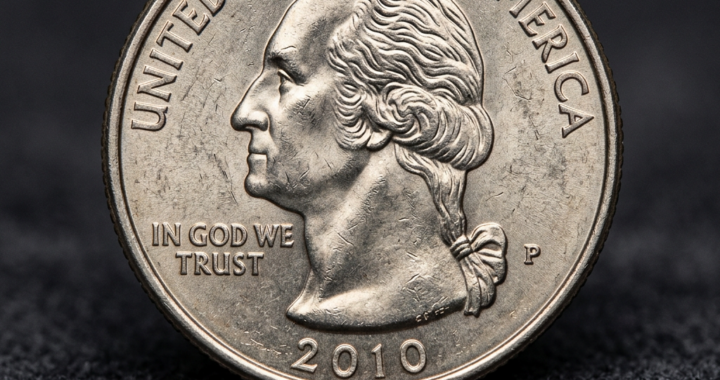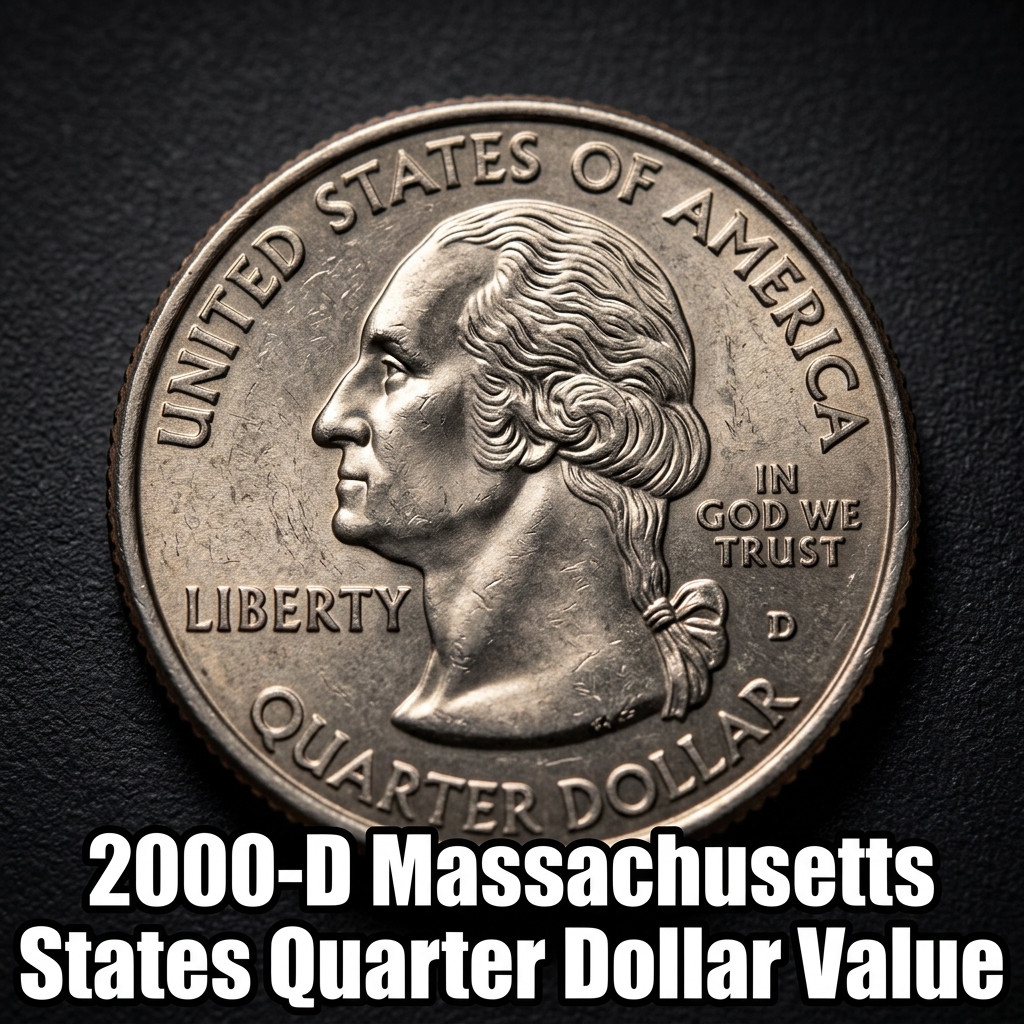
The 2000-D Massachusetts State Quarter is worth anywhere from 25 cents in heavily circulated condition to $15 or more in pristine mint state — and certain high-grade examples have sold for significantly more at auction. If you’ve come across one of these coins in your change jar or an old collection, you’re in the right place to find out exactly what it might be worth.
What Is the 2000-D Massachusetts State Quarter?
The 2000-D Massachusetts State Quarter was minted at the Denver Mint and released as part of the U.S. 50 State Quarters Program. The “D” mintmark on the reverse indicates it came from Denver, as opposed to the “P” mintmark on Philadelphia-struck versions. The reverse design features the outline of the Commonwealth of Massachusetts, a Minuteman figure, and the motto “The Bay State.” It’s a classic example of the early 2000s commemorative coinage that captured the attention of collectors all across the country.
If you want to identify your coin quickly and get an instant estimate, using the best coin identifier app can save you a lot of time. Apps like CoinHix let you scan your coin and get real-time pricing data in seconds — perfect if you’re new to coin collecting and don’t know where to start.
How Much Is the 2000-D Massachusetts Quarter Worth?
The value of the 2000-D Massachusetts State Quarter depends heavily on its condition, also called its “grade” in numismatic terms. Coins that have been passed around in everyday transactions will show wear on the high points — the Minuteman’s face, the stars, and the lettering. These circulated coins are generally worth face value or just a little above it.
However, coins that were never used and kept in protective sleeves or original mint rolls can be worth considerably more. Here’s a general breakdown of values:
| Grade / Condition | Estimated Value |
|---|---|
| Circulated (Good to Fine) | $0.25 – $0.50 |
| Extremely Fine (EF-45) | $0.50 – $1.50 |
| Mint State 63 (MS-63) | $2 – $5 |
| Mint State 65 (MS-65) | $5 – $12 |
| Mint State 67 (MS-67) or Higher | $15 – $100+ |
For more detailed and up-to-date pricing, you can check out live market price data for the 2000 Massachusetts State Quarter updated regularly to reflect recent auction results and dealer sales.
Factors That Affect the 2000-D Massachusetts Quarter Value
Several factors determine how much a collector or dealer will pay for your coin:
Mint State Grade: The higher the grade, the higher the value. Coins graded MS-67 or above are considered gems and can fetch significant premiums. PCGS and NGC are the two most trusted grading services if you want an official grade.
Strike Quality: Denver Mint coins from this era are known for varying strike sharpness. A well-struck example with full detail on the Minuteman figure and crisp lettering is more desirable.
Surface Quality: Bagmarks, scratches, or cleaning can significantly reduce a coin’s value. Never clean your coins — even gentle cleaning can drop a grade and slash the price.
Collector Demand: The 50 State Quarters series remains one of the most popular modern collectibles. Many Americans who grew up collecting these quarters as kids are now coming back as adult buyers, keeping demand steady.
You can find comprehensive value information for 2000 State Quarters including the Massachusetts issue to compare your coin’s worth across different conditions.
Denver vs. Philadelphia Mint — Does It Matter?
Both the 2000-D and 2000-P Massachusetts State Quarters were struck in massive quantities. The Denver Mint produced approximately 535,184,000 coins, while Philadelphia struck around 628,600,000. Neither version is considered rare, but the Denver issue has a slightly lower mintage, which can occasionally give it a minor premium in the highest grades. In circulated grades, they’re essentially equal in value.
If you’re unsure which mint produced your coin, look just below the eagle’s tail feathers on the reverse — you’ll find a small “D” or “P” mintmark.
Is Your 2000-D Massachusetts Quarter Worth Getting Graded?
For most circulated examples, professional grading isn’t worth the cost. Submitting a coin to PCGS or NGC typically runs $20–$40 per coin, which makes it impractical for a quarter worth face value. However, if your coin looks nearly perfect — no visible marks, sharp details, original luster — it might be a candidate for grading. An MS-67 or MS-68 specimen can sell for $50 to $100 or more, making the grading fee worthwhile.
The easiest way to get a quick preliminary assessment is to use CoinHix, which gives you an instant grade estimate and market value based on your coin’s visual condition. It’s free, fast, and designed for everyday people — not just seasoned numismatists.
FAQ
Q: How do I know if my 2000-D Massachusetts Quarter is valuable?
A: Check the coin’s surface carefully. If it has bright, original luster with no scratches or dullness, it may be in mint state and worth a few dollars or more. A worn, dull coin is generally worth face value. Use CoinHix to get a fast, reliable estimate.
Q: Are any 2000-D Massachusetts Quarters rare or error coins?
A: There are no widely documented major errors for this date and mint, but minor varieties like die cracks or off-center strikes occasionally appear. If your coin looks unusual, have it examined by a professional or run it through a coin identification tool before selling.
Q: Where can I sell my 2000-D Massachusetts State Quarter?
A: For high-grade specimens, eBay and coin shows are good options. For circulated coins, local coin dealers offer convenience. Always get more than one opinion on value before selling, and check recent sold listings online to understand what buyers are actually paying.