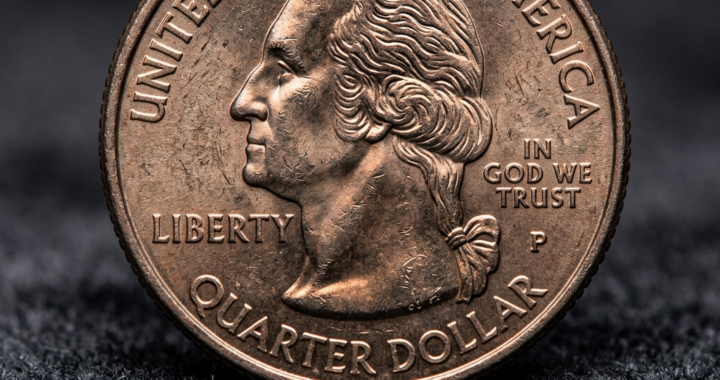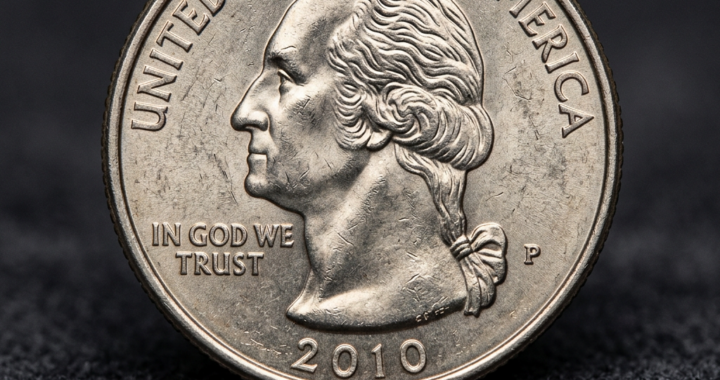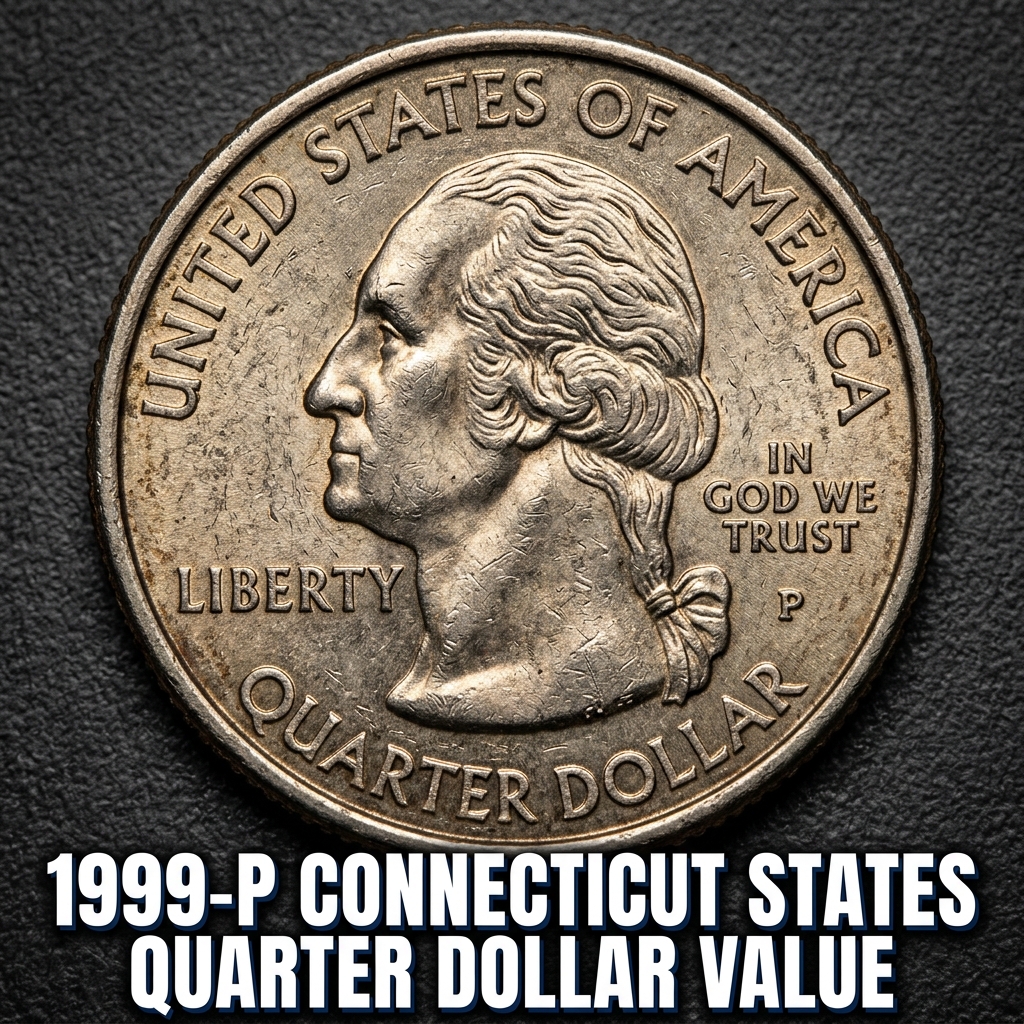
The 1999-P Connecticut State Quarter is worth between 25 cents and $10 in typical circulated condition, but well-preserved examples graded MS-65 or higher can fetch $15 to $40 or more — and the rarest error coins climb even higher. If you found one in your pocket change or an old coin jar, you might be sitting on more than a quarter’s face value.
What Makes the 1999-P Connecticut Quarter Special
The 1999-P Connecticut State Quarter was struck at the Philadelphia Mint and carries the classic “P” mint mark on the obverse. It was the fifth coin released in the U.S. Mint’s 50 State Quarters Program, which ran from 1999 to 2008 and became one of the most popular coin series in American history. The reverse design features the famous Charter Oak tree — a symbol deeply tied to Connecticut’s state identity. Over 688 million of these quarters were minted in Philadelphia alone, making them relatively common in circulation. However, common doesn’t always mean worthless. Condition is everything in numismatics, and even a high-mintage coin like this one can have significant value if it survived decades without being dropped, rubbed, or jostled in change trays. If you’ve got one and you’re not sure where to start, using the best coin identifier app can help you quickly identify the grade and condition of your coin before diving deeper into its value.
How Much Is the 1999-P Connecticut Quarter Worth by Grade
The value of any coin depends heavily on its condition, and the 1999-P Connecticut State Quarter is no exception. Here’s a simple breakdown of what collectors typically pay across different grades:
| Grade / Condition | Description | Estimated Value |
|---|---|---|
| Good (G-4) | Heavy wear, major details visible | $0.25 – $0.50 |
| Fine (F-12) | Moderate wear, all lettering clear | $0.50 – $1.00 |
| Extremely Fine (EF-40) | Light wear on high points | $1.00 – $3.00 |
| Mint State (MS-63) | Uncirculated, minor blemishes | $5.00 – $10.00 |
| Gem Mint State (MS-65) | Uncirculated, sharp strike, minimal marks | $15.00 – $40.00+ |
For the most up-to-date auction results and certified sale prices on this specific issue, you can check out detailed price data for the 1999-P State Quarter series in mint state grades, which tracks real market trends across major grading populations.
Error Coins and Varieties Worth Looking For
Here’s where the 1999-P Connecticut State Quarter gets really exciting. Like all coins in a large production run, some were struck with errors — and those errors can be worth significantly more than regular examples. The most commonly reported error types include:
– Off-center strikes – where the design is shifted off the coin’s center
– Double die obverse or reverse – where you can see slight doubling in the lettering or design
– Clipped planchet errors – where the blank was cut incorrectly before striking
– Die cracks or cuds – raised lines or bumps from a cracked die
Off-center errors of 20% or more can sell for $25 to $100+, depending on severity and how well the date is visible. Double die errors on the Charter Oak design can also bring premiums with serious collectors. The best way to check for these is under magnification — a loupe or even a smartphone camera zoomed in close can reveal details invisible to the naked eye. CoinHix is a great tool to cross-reference any unusual features you notice against known varieties and recent sales data.
Mint State and Certified Examples Command the Highest Prices
If you’ve got a 1999-P Connecticut Quarter that’s never been circulated — pulled straight from a mint roll or an original government set — it could grade out as MS-65 or better. Coins in these top grades that are professionally certified by PCGS or NGC tend to sell for significantly more than raw uncertified coins because buyers trust the grade. An MS-67 example, which represents near-perfect striking and surface quality, has sold at auction for over $100 in some cases.
For anyone holding a potential gem-quality coin, getting it certified is worth the investment. You can also research how 1999 quarter values break down across mint marks and conditions to see where your coin fits in the bigger picture before making any decisions. CoinHix also lets you scan your coin and compare it to certified auction results, giving you a real-world value estimate fast.
FAQ
Q: Is the 1999-P Connecticut Quarter rare?
A: No, it’s not rare in the traditional sense — over 688 million were struck. But high-grade uncirculated examples and error coins are considerably scarcer and can command real premiums with collectors.
Q: How do I know if my coin is worth getting graded?
A: If your coin appears to be uncirculated with no visible scratches, strong luster, and a sharp strike, it’s worth considering professional grading through PCGS or NGC. Use CoinHix to get a preliminary value estimate before spending money on grading fees.
Q: Where can I sell a 1999-P Connecticut State Quarter?
A: You can sell on eBay, through a local coin dealer, or at a coin show. For higher-value or error coins, a certified auction through Heritage Auctions or Stack’s Bowers can help you reach serious collectors willing to pay top dollar.