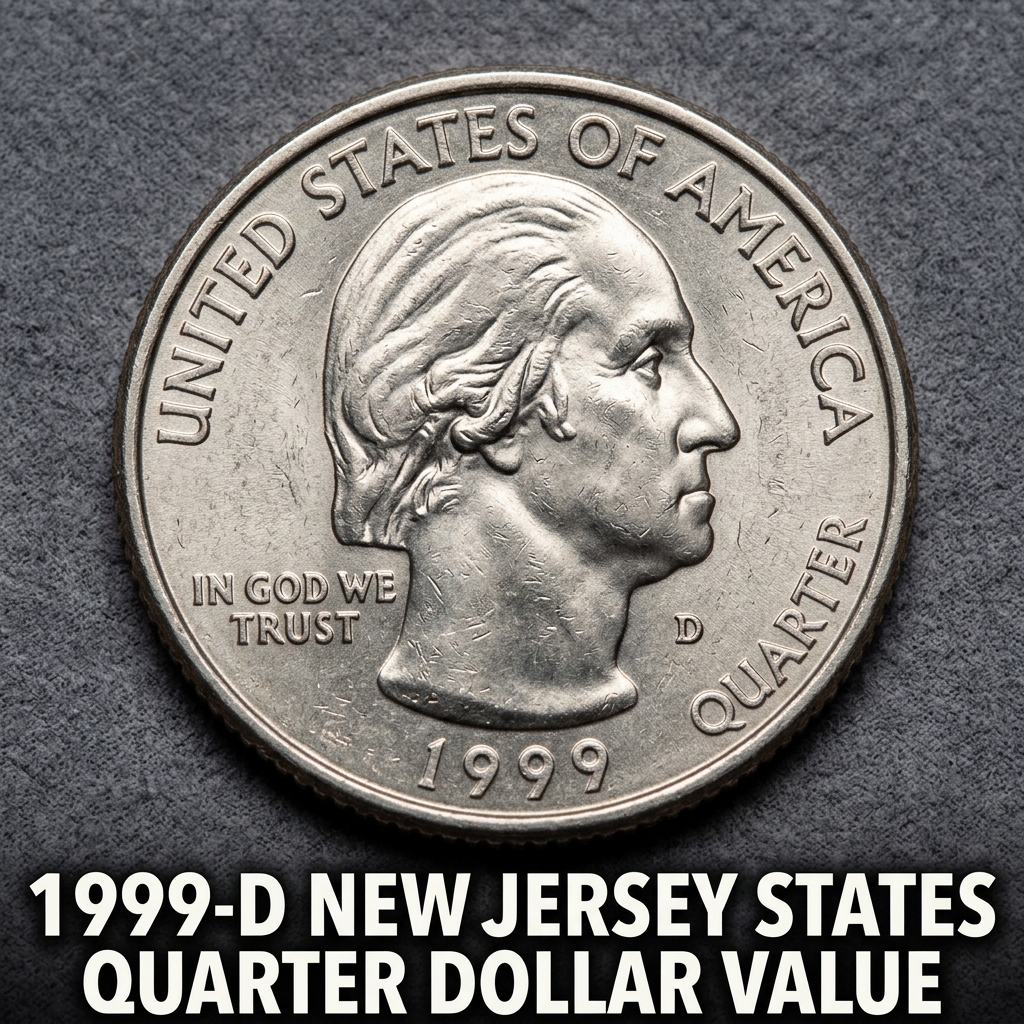
The 1999-D New Jersey State Quarter is worth between $0.25 and $15 in typical circulated condition, but well-preserved mint state examples can fetch $20 or more depending on grade and eye appeal. If you just found one of these in your change jar or inherited a coin collection, you’re in the right place.
What Makes the 1999-D New Jersey Quarter Special
The 1999-D New Jersey State Quarter was struck at the Denver Mint as part of the U.S. Mint’s 50 State Quarters Program, which ran from 1999 to 2008. New Jersey was the third state released in the series, making it one of the earliest and most collected coins from the program. The reverse design features George Washington crossing the Delaware River on December 25–26, 1776 — a iconic image based on the famous painting by Emanuel Leutze. It’s a coin with real historical resonance, not just a design picked for aesthetics.
If you’re trying to figure out whether your coin is worth anything beyond face value, the first step is identifying it correctly. A lot of people find old quarters and aren’t sure which mint produced them or what year they are. Using the best coin identifier app on your phone can help you quickly confirm what you have before you start looking up values. Tools like this save a lot of guesswork, especially if you’re new to coin collecting.
The “D” mintmark on this coin stands for Denver. You’ll find it on the obverse (heads) side, just below the “IN GOD WE TRUST” motto. Denver-minted coins from 1999 had a total production of over 299 million pieces, so they’re not rare by any stretch — but condition is everything when it comes to value.
1999-D New Jersey Quarter Value by Grade
Coin value depends heavily on condition, which collectors call “grade.” A coin graded MS-65 or higher is considered gem quality and commands the most money. Circulated coins — the kind you might find in everyday change — are worth far less, usually just face value or a small premium.
Here’s a general value breakdown for the 1999-D New Jersey State Quarter:
| Grade | Condition Description | Estimated Value |
|---|---|---|
| AG-3 / G-6 | Heavy wear, details barely visible | $0.25 – $0.50 |
| VF-20 / EF-40 | Moderate wear, major features clear | $0.50 – $1.50 |
| MS-63 | Uncirculated, minor bag marks | $3 – $7 |
| MS-65 | Gem uncirculated, strong luster | $10 – $18 |
| MS-67 or higher | Superb gem, virtually flawless | $50 – $150+ |
For a deeper look at certified auction prices and graded sales data for 1999 State Quarters, checking a trusted numismatic pricing resource gives you real market context rather than just estimates.
How Mint State Grades Drive the 1999-D New Jersey Quarter Price
Most people don’t realize just how dramatically grade affects value. A 1999-D New Jersey quarter in MS-63 might sell for $5, while the same coin graded MS-67 could sell for over $100 at auction. That’s a 20x difference based purely on surface quality and luster preservation.
The reason high-grade State Quarters are harder to find than you might expect is simple: these coins were handled carelessly at the mint and in bank rolls. Bag marks, contact marks, and weak strikes were common. An MS-67 example had to survive every step of the minting and distribution process without a scratch — that’s genuinely rare.
CoinHix makes it easy to track graded coin values over time. If you have a coin you think might be in pristine condition, using CoinHix to monitor recent sales prices can help you decide whether it’s worth sending in for professional grading through PCGS or NGC.
Error Coins and Special Varieties Worth More Money
Most 1999-D New Jersey quarters you’ll encounter are standard strikes, but a small number of error coins exist that can significantly increase the value. Here are a few types to watch for:
– Off-center strikes: The design is not centered on the planchet, leaving a blank crescent shape on one side. These can be worth $20–$100+ depending on severity.
– Double die errors: A slight doubling of lettering or design elements visible under magnification. Values vary widely.
– Die cracks and cuds: Raised lines or blobs caused by a broken die. Minor examples add small premiums; dramatic ones attract more collector interest.
– Wrong planchet errors: Extremely rare — a quarter design struck on a dime or nickel blank. These can be worth hundreds of dollars.
Examine your coin closely under good lighting with a loupe or magnifying glass. If something looks “off” about the lettering or imagery, it might be an error worth investigating further.
Is the 1999-D New Jersey Quarter Worth Keeping or Selling
For most people who find a circulated 1999-D New Jersey quarter, the coin is worth face value or just barely above it. However, if your coin is uncirculated — showing original mint luster with no signs of wear — it’s worth holding onto, especially if the surfaces are clean and sharp.
You can check current 1999 quarter values and pricing trends to get a real-time sense of what buyers are paying before making any decisions about selling.
If you’re starting to build a collection of State Quarters, the 1999 issues — Delaware, Pennsylvania, New Jersey, Georgia, and Connecticut — are a natural starting point. The CoinHix app lets you track your entire collection in one place and stay updated on market values as they shift over time.
Frequently Asked Questions
Q: How do I know if my 1999-D New Jersey quarter is uncirculated?
A: Look for original mint luster — a cartwheel-like sheen that catches light when you tilt the coin. Circulated coins show flat, worn surfaces with no shine. If the coin has never been spent and was stored carefully since it was new, it may still be uncirculated.
Q: Is the 1999-D New Jersey quarter rare?
A: No. With over 299 million minted in Denver, this coin is widely available. However, high-grade examples graded MS-66 or MS-67 are scarce and can be worth significantly more than face value.
Q: Should I clean my 1999-D New Jersey quarter before selling it?
A: Never clean a coin you want to sell to collectors. Cleaning removes the natural patina and surface texture that collectors value, and it can lower a coin’s grade significantly. Leave it exactly as you found it.