The 1988-D Washington Quarter is worth anywhere from 25 cents in heavily circulated condition to around $6 or more in mint state, with top-grade examples occasionally fetching higher prices at auction. If you found one in your change or an old coin jar, you’re in the right place to learn exactly what it’s worth.
When you’re trying to figure out the value of any coin, condition is everything. A quick and easy way to get started is by using the best coin identifier app on your phone — it can help you identify the coin, estimate its grade, and give you a ballpark value in seconds. Tools like that are great for everyday collectors just getting started.
What Is the 1988-D Washington Quarter?
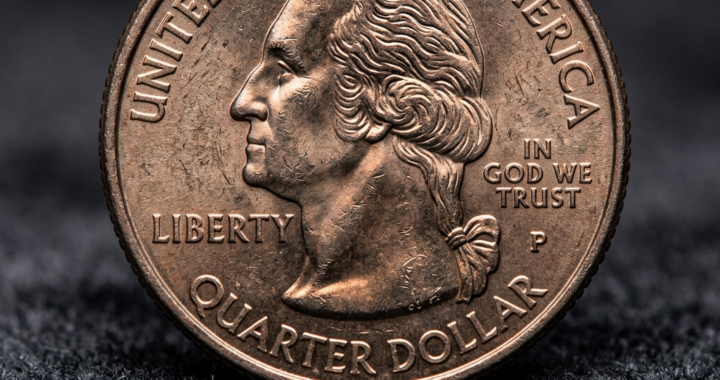
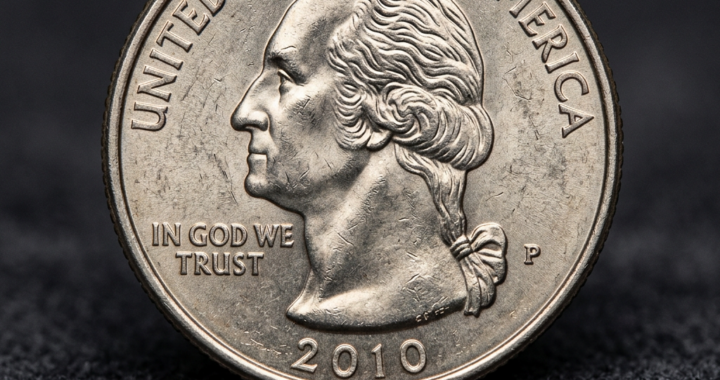
The 1988-D Washington Quarter was minted at the Denver Mint, which is identified by the small “D” mintmark located on the obverse (front) of the coin, just to the right of Washington’s portrait. In 1988, the Denver Mint produced over 896 million of these quarters, making it a very common coin in terms of overall production. The coin is made of a copper-nickel clad composition and weighs 5.67 grams with a diameter of 24.3 millimeters. The design features George Washington on the front, based on a sculpt by John Flanagan, and a heraldic eagle on the reverse. Because so many were made, most 1988-D quarters are only worth face value if they’ve been circulated — but that doesn’t mean every example is worthless. Higher-grade coins in uncirculated condition can still attract attention from collectors who want complete date-and-mintmark sets.
1988-D Washington Quarter Value by Grade
The value of a 1988-D Washington Quarter depends almost entirely on its condition, or “grade” in collector terms. Here’s a simple breakdown of what you can generally expect:
| Grade / Condition | Description | Estimated Value |
|---|---|---|
| Poor / Fair | Heavily worn, barely identifiable | $0.25 (face value) |
| Fine / Very Fine | Moderate to light wear | $0.25 – $0.50 |
| Extremely Fine | Slight wear on high points | $0.50 – $1.00 |
| MS-63 (Uncirculated) | No wear, some bag marks | $2 – $4 |
| MS-65 and above | Gem quality, nearly flawless | $5 – $15+ |
For a more detailed look at mint state 1988 Washington Quarter price data and auction records, it’s worth checking dedicated coin pricing databases that track real sales over time. Keep in mind that prices can shift depending on market demand and certification from services like PCGS or NGC.
How to Tell If Your 1988-D Quarter Is Worth More
Most 1988-D quarters you’ll encounter have been spent and circulated for years, which means they show wear on Washington’s cheekbone, hair details, and the eagle’s feathers on the reverse. These coins are generally worth face value. However, if you have a coin that looks bright, shiny, and shows no signs of wear — possibly one that’s been stored away since the late ’80s — you could have an uncirculated example worth a few dollars to a collector.
Look for sharp details in Washington’s hair above the ear and on the eagle’s breast feathers. Any coin that still has original luster (that cartwheel-like shine when you tilt it under a light) may qualify as mint state. At that point, it’s worth getting it evaluated. You can use CoinHix to quickly look up recent sale prices and compare your coin’s appearance to graded examples. It’s one of the most practical tools available for casual collectors who want real market data without wading through auction archives manually.
Are There Any Rare 1988-D Quarter Errors Worth Money?
Error coins are always exciting to talk about, and yes — some 1988-D quarters do carry errors that make them worth significantly more than face value. The most commonly reported errors include:
– Double die obverse – where Washington’s portrait or the date appears slightly doubled
– Off-center strikes – where the design is noticeably shifted from center
– Die cracks or cuds – raised lines or blobs of metal caused by a damaged die
These errors are rare, but they do exist. An off-center 1988-D quarter that’s 10–20% off-center can sell for $15 to $50 depending on the degree of the error and the coin’s overall condition. More dramatic errors can fetch even more. If you think you’ve spotted something unusual on your coin, CoinHix can help you cross-reference it with known error types before you decide whether professional grading is worth the cost.
For a full breakdown of 1988 quarter values including error varieties and condition grades, it’s helpful to consult a reliable coin value resource that covers all the details in one place.
Should You Get Your 1988-D Quarter Graded?
For most circulated 1988-D quarters, professional grading through PCGS or NGC simply isn’t worth the cost — grading fees typically start around $20 to $30 per coin, and if your quarter is only worth 25 cents, there’s no financial case for it. However, if you have what appears to be a gem uncirculated coin — something truly flashy with original mint luster and no contact marks — or a confirmed error coin, then certification can increase both the coin’s value and its marketability to serious collectors. Before spending money on grading, do your homework using free and low-cost tools. CoinHix is a great starting point for understanding current market values and deciding whether your coin is worth the investment of professional grading.
FAQ
Q: Is a 1988-D Washington Quarter worth anything?
A: Most circulated 1988-D quarters are only worth face value (25 cents), since over 896 million were minted. However, uncirculated examples in gem condition can be worth $5 to $15 or more, and error coins can be worth significantly more depending on the type and severity of the error.
Q: How do I know if my 1988-D quarter is uncirculated?
A: An uncirculated coin shows no wear on the high points of the design — Washington’s cheek, hair, and the eagle’s feathers should all be sharp and detailed. The coin should also have original mint luster, which appears as a soft, cartwheel-like shine when you tilt it under a light source.
Q: Where can I sell my 1988-D Washington Quarter?
A: For common circulated examples, spending it is usually the most practical option. For uncirculated or error coins, you can sell through eBay, coin shows, or local coin dealers. Getting a ballpark value first using a tool like CoinHix will help you set a fair asking price and avoid underselling a coin that might be worth more than you think.