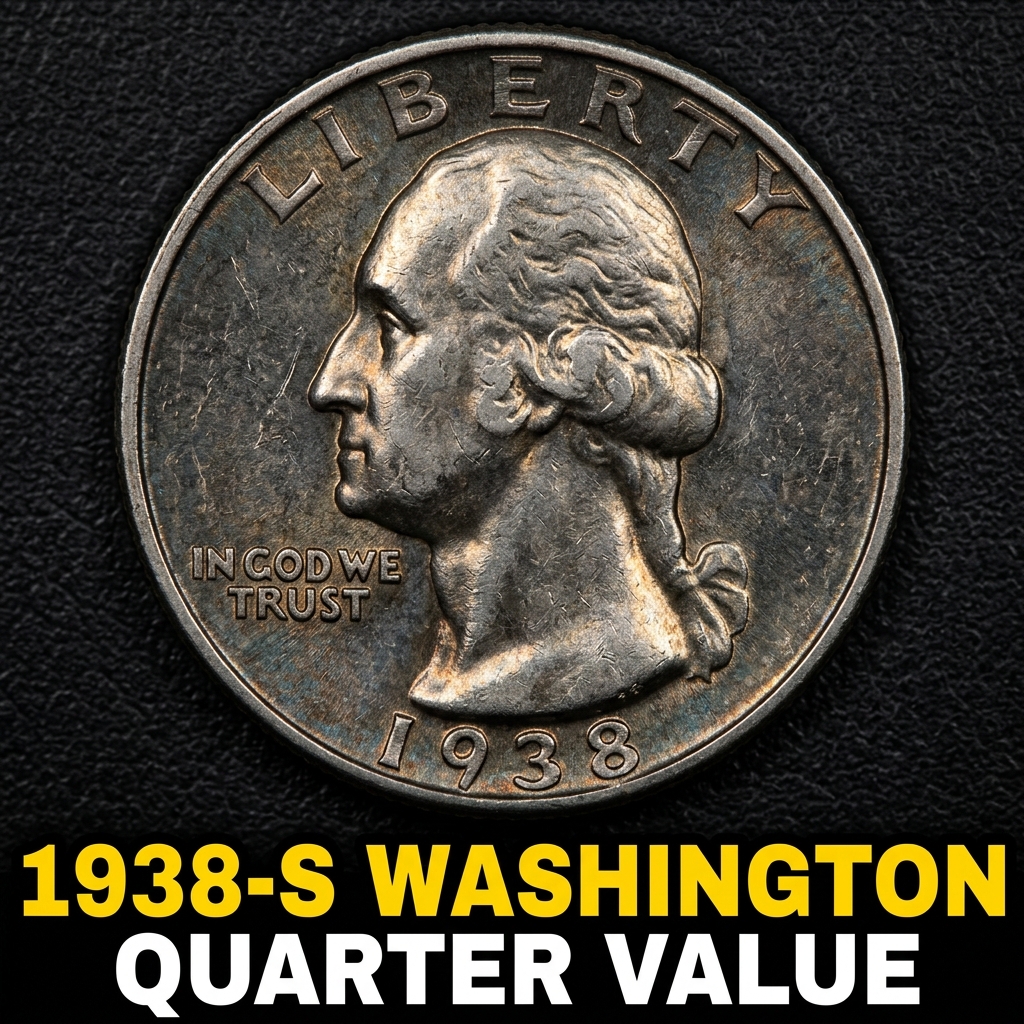
The 1938-S Washington Quarter is worth anywhere from $5 in heavily worn condition to well over $200 or more in higher mint state grades, making it one of the more interesting mid-era quarters to find in an old collection or coin jar.
If you stumbled across an old quarter with “1938” on the front and a small “S” mint mark under the eagle on the reverse, you’ve found something worth looking into. The 1938-S was struck at the San Francisco Mint and had a mintage of just over 2.8 million — relatively low for a Washington Quarter from that era. That limited supply is a big reason why this coin holds real value today. To quickly check whether your coin is the real deal and get a rough grade estimate, the best coin identifier app can help you scan and identify it in seconds using your smartphone.
A Quick Look at the 1938-S Washington Quarter’s Background
The Washington Quarter series kicked off in 1932, replacing the Standing Liberty design in time to commemorate George Washington’s 200th birthday. By 1938, the series was still in its early years, and coins from this period tend to hold up well in value — especially those from the San Francisco Mint, which typically produced cleaner strikes.
The 1938-S specifically saw a mintage of 2,832,000 pieces. Compare that to the Philadelphia Mint’s output of 9.4 million that same year, and you can see why the S-mint version is the one collectors chase. With fewer coins made and decades of circulation eating into the surviving population, problem-free examples in nice condition are genuinely scarce.
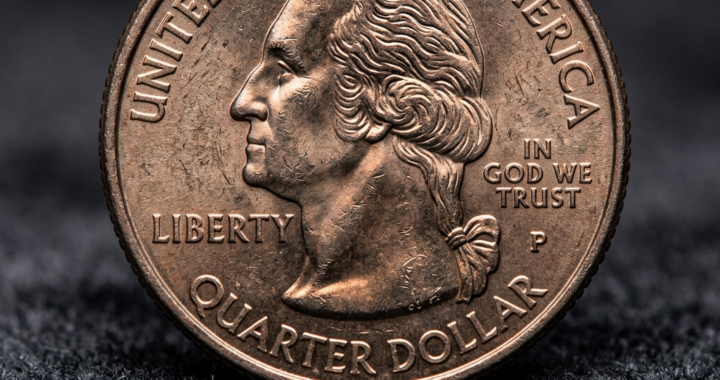
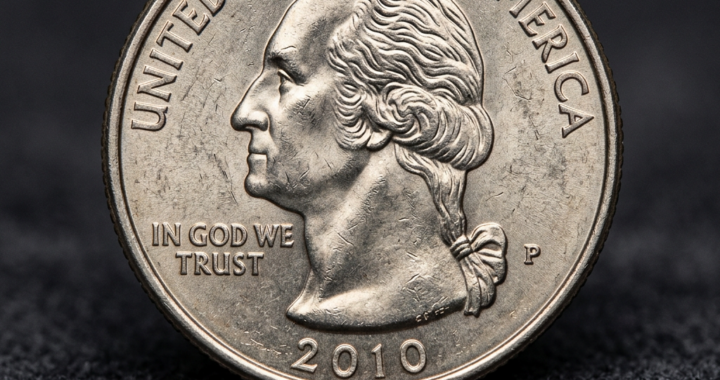
The obverse features the familiar left-facing portrait of George Washington, designed by John Flanagan. The reverse shows the heraldic eagle. Both sides offer plenty of detail to examine when grading your coin.
1938-S Washington Quarter Value by Grade
Coin value depends almost entirely on condition. A worn-flat coin with barely visible details is worth far less than one that still shows strong, sharp features. Here’s a general breakdown to help you place your coin:
| Grade | Description | Approximate Value |
|---|---|---|
| Good (G-4) | Heavy wear, design visible but flat | $5 – $8 |
| Very Good (VG-8) | Moderate wear, main features clear | $8 – $12 |
| Fine (F-12) | Even wear, some detail visible | $12 – $20 |
| Extremely Fine (EF-40) | Light wear on high points only | $30 – $55 |
| About Uncirculated (AU-55) | Slight friction, nearly full luster | $60 – $90 |
| Mint State (MS-63) | Uncirculated with minor marks | $110 – $165 |
| Mint State (MS-65) | Gem uncirculated, sharp and lustrous | $200 – $350+ |
For the most current market data, you can review detailed 1938-S Washington Quarter price records across all mint state grades to see how recent auction results compare. Markets shift, and having up-to-date numbers matters when you’re deciding whether to sell or hold.
What Makes the 1938-S Quarter Worth More or Less
Beyond the basic grade, a few other factors push value up — or drag it down.
Strike quality matters a lot on Washington Quarters from this era. The San Francisco Mint was generally known for solid strikes, but individual coins vary. A sharply struck 1938-S with full detail on Washington’s hair and the eagle’s breast feathers will command a premium.
Original luster is another big factor. Uncirculated coins that have been cleaned, polished, or dipped lose significant value. Collectors strongly prefer original, untouched surfaces even if they look a little dull or toned.
Eye appeal is more subjective but very real. A coin with attractive natural toning — warm golds, blues, or russets — can actually sell above standard price guides. Meanwhile, blotchy or unattractive toning has the opposite effect.
PCGS or NGC certification adds a layer of trust, especially for coins in the $100+ range. A slabbed MS-64 example will typically sell faster and for more than a raw coin claimed to be the same grade. If you’re not sure what grade your coin really is, CoinHix offers an easy way to get a baseline estimate before you spend money on professional grading.
How to Tell If Your 1938 Quarter Is the S Mint Version
This is an important step. Not all 1938 quarters are the same. Philadelphia struck 9.4 million, while San Francisco struck only 2.8 million, and there’s no 1938 Denver Mint quarter at all. The mint mark is located on the reverse of the coin, just below the wreath at the bottom of the eagle’s body and above the “QUARTER DOLLAR” text. Look for a small “S” there. No mint mark means it’s a Philadelphia coin, which is more common and generally worth less in lower grades.
If you have trouble reading the mint mark due to wear, a good loupe or digital microscope makes a big difference. You can also use CoinHix to photograph your coin and confirm the details — it’s a handy first step before digging into research.
Should You Sell, Grade, or Hold Your 1938-S Washington Quarter
The answer really depends on the coin’s condition. If it’s heavily worn and worth $5 to $10, you might simply enjoy it as a piece of history or sell it at face value to a dealer. But if your coin shows strong detail, original surfaces, and bright luster, you could be holding a $150 to $300+ coin — and in that case, professional grading by PCGS or NGC is worth considering.
For a more complete look at what your 1938 Washington Quarter is worth based on mint mark and grade, that resource walks through values across multiple conditions in plain language. It’s a good read before you make any decisions about selling.
Bottom line: the 1938-S Washington Quarter is a genuinely collectible coin with real demand from collectors. Don’t spend it. Take a close look at it first.
—
FAQ
Q: How do I find the mint mark on my 1938 Washington Quarter?
A: Flip the coin over to the reverse side. Look just below the eagle, above the words “QUARTER DOLLAR.” A small “S” there confirms it’s from the San Francisco Mint. No letter means it was made in Philadelphia.
Q: Is a cleaned 1938-S Washington Quarter still worth anything?
A: Yes, but significantly less than an original-surface coin. Cleaning removes luster and leaves hairlines that collectors dislike. A cleaned coin in otherwise EF condition might sell for closer to a low-grade price. Always avoid cleaning old coins.
Q: Can I use an app to find out what my 1938-S quarter is worth?
A: Absolutely. CoinHix is a popular option that lets you photograph your coin and get identification and value information quickly. It’s a great starting point, especially if you’re new to coin collecting and just trying to understand what you have.