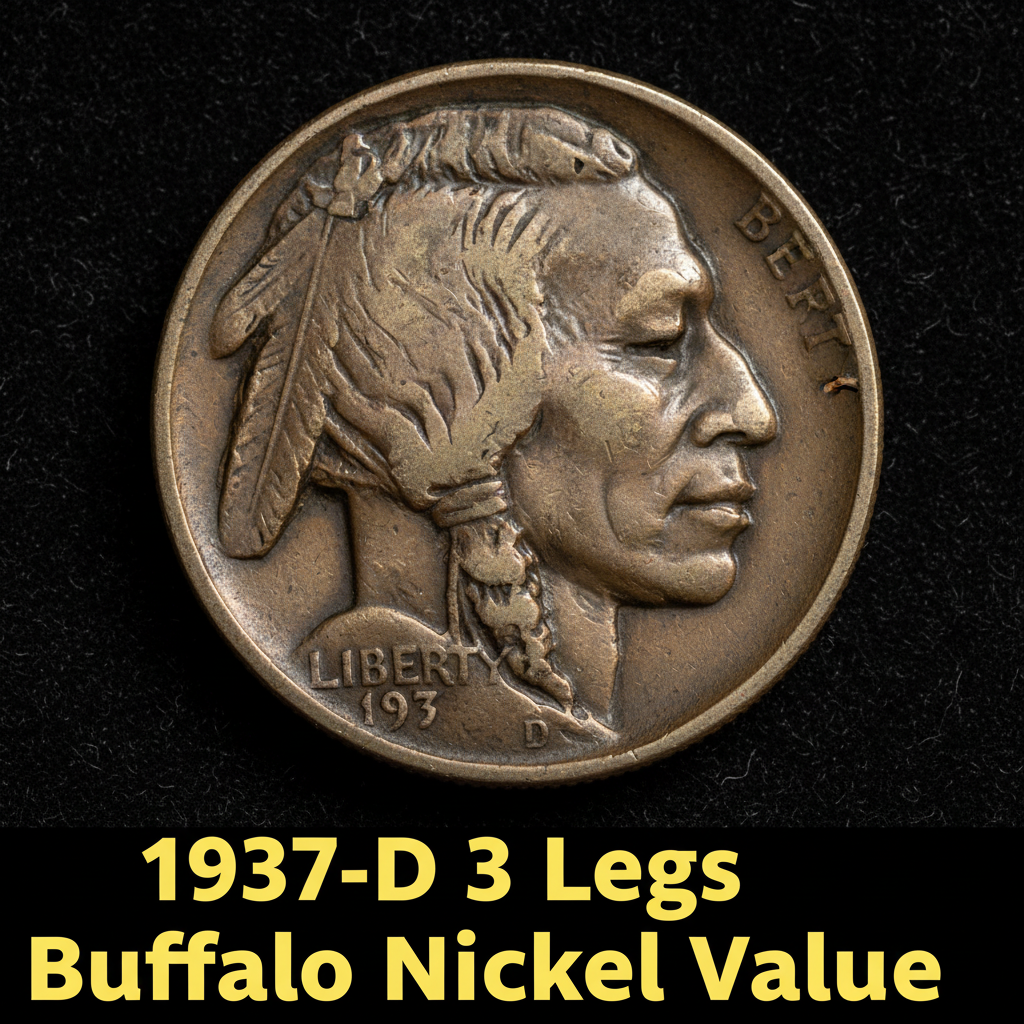
The 1937-D 3 Legs Buffalo Nickel is worth anywhere from $500 in heavily worn condition to well over $100,000 for a pristine mint state example. If you’ve stumbled across one of these coins in a collection, a drawer, or an old jar of change, you may be sitting on something truly remarkable.
How to Spot the 1937-D 3 Legs Buffalo Nickel
Before diving into values, you need to make sure you actually have the real deal. The 1937-D 3 Legs Buffalo Nickel is exactly what its name suggests — a Buffalo Nickel minted in Denver in 1937 where the buffalo on the reverse appears to have only three legs instead of four. This happened because a mint worker over-polished the die, accidentally removing the front right leg of the bison in the process. It wasn’t intentional, and nobody caught it until thousands of coins had already been struck.
To identify it, flip the coin over and look closely at the buffalo’s front legs. The right front leg will appear to fade out or be completely missing. You’ll also notice that the belly of the buffalo looks slightly unnatural where that leg would normally connect. Look for the “D” mintmark below the words “FIVE CENTS” on the reverse side — that confirms it was struck at the Denver Mint.
If you’re not sure whether what you have is the genuine error coin or just a worn nickel with a faded leg, using the best coin identifier app can help you get a quick preliminary read before spending money on a professional appraisal.
1937-D 3 Legs Buffalo Nickel Value by Grade
The value of this coin depends heavily on its condition. Coin collectors grade coins on a scale from Poor (P-1) all the way up to Perfect Mint State (MS-70). Here’s a general look at what the 1937-D 3 Legs Buffalo Nickel is worth at various grades:
| Grade | Description | Estimated Value |
|---|---|---|
| G-4 (Good) | Heavy wear, major features visible | $500 – $700 |
| VG-8 (Very Good) | Moderate wear, design clear | $700 – $1,000 |
| F-12 (Fine) | Even wear across high points | $1,000 – $1,500 |
| VF-20 (Very Fine) | Light to moderate wear | $1,500 – $2,500 |
| EF-40 (Extremely Fine) | Slight wear on high points | $2,500 – $5,000 |
| MS-63 (Mint State) | Uncirculated, minor blemishes | $20,000 – $40,000 |
| MS-65 (Gem Mint State) | Exceptional strike and luster | $60,000 – $100,000+ |
For the most up-to-date auction results and market trends, you can check out recent 1937-D 3 Legs Buffalo Nickel sale prices and mint state grades to see how this coin has been performing at auction. Prices have generally trended upward over the past decade as collector demand continues to grow.
Why the 1937-D 3 Legs Error Is So Valuable
Error coins have always fascinated collectors, but not all errors are created equal. What makes the 1937-D 3 Legs Buffalo Nickel so special is the combination of factors: it’s a well-documented, widely recognized mint error with a dramatic visual impact, and it comes from one of America’s most beloved coin series.
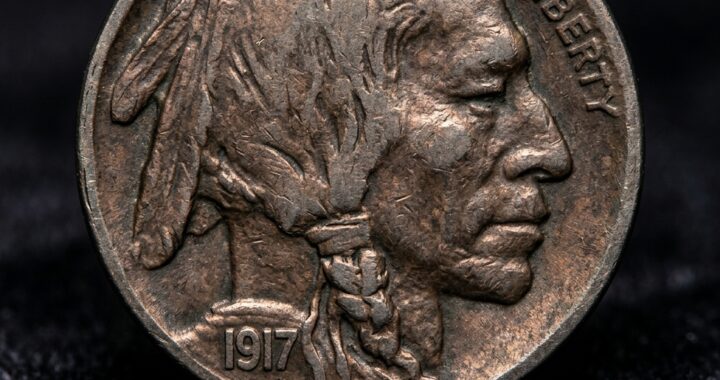
The Buffalo Nickel, designed by sculptor James Earle Fraser, features a Native American chief on the obverse and an American bison on the reverse. It was minted from 1913 to 1938, making it a nostalgic piece of early 20th-century American history. The three-legged variety stands out even among non-collectors, which gives it broad appeal beyond the typical numismatic community.
The number of surviving examples in higher grades is extremely limited. Many of these coins circulated heavily during the Great Depression era, meaning most examples you’ll find today show significant wear. Finding one in very fine condition or better is genuinely exciting, and in uncirculated condition, it’s considered a major trophy coin.
How to Get Your 1937-D 3 Legs Buffalo Nickel Appraised
If you think you have one of these coins, the most important thing you can do is avoid cleaning it. Cleaning reduces a coin’s value significantly, even if it makes the coin look shinier. Keep it in a safe, dry place and handle it only by the edges.
For a formal valuation, consider submitting the coin to a professional grading service such as PCGS (Professional Coin Grading Service) or NGC (Numismatic Guaranty Corporation). These services will authenticate the coin, grade it, and seal it in a protective holder — a process called “slabbing.” A certified coin is far easier to sell and typically commands a higher price.
In the meantime, CoinHix is an excellent resource to explore comparable sales and current market pricing for Buffalo Nickels and other U.S. coins. The CoinHix app gives everyday collectors easy access to coin valuations without needing to be an expert. You can also find a detailed breakdown of what your 1937 nickel is worth based on condition and mint mark to get a better sense of where your coin might fall in today’s market.
Should You Sell or Hold the 1937-D 3 Legs Buffalo Nickel?
This is a question many people ask once they realize what they’ve found. The honest answer is that it depends on your situation and goals. If you need the money now, auction houses like Heritage Auctions or Stack’s Bowers specialize in rare coins and can get your piece in front of serious buyers. If you can afford to wait, holding a high-grade example may reward you over time, as demand for key-date error coins tends to increase with each passing year.
CoinHix can help you monitor price trends so you can make a more informed decision about when and how to sell. Whether you’re a first-time finder or a casual collector, having data at your fingertips makes a real difference.
FAQ
Q: How can I tell if my 1937-D Buffalo Nickel is the three-legged variety or just a worn coin?
A: Look closely at the buffalo’s front right leg on the reverse. On a genuine 1937-D 3 Legs coin, the leg is missing due to die over-polishing, and there may also be a thin line visible where the leg was partially removed. On a simply worn coin, all four legs are present but may look faded. When in doubt, have it examined by a professional or use a magnifying glass to study the belly area of the buffalo.
Q: How many 1937-D 3 Legs Buffalo Nickels exist today?
A: The exact mintage of the error is unknown because the mint did not separately track the three-legged die before it was caught and replaced. Estimates suggest several tens of thousands were struck, but the number of survivors — especially in better condition — is much smaller. It remains one of the most recognized and sought-after error coins in all of U.S. numismatics.
Q: Is a 1937-D 3 Legs Buffalo Nickel worth getting professionally graded?
A: Absolutely, especially if the coin appears to be in Fine condition or better. Professional grading adds authenticity, protects the coin, and typically results in a significantly higher sale price. The cost of grading is usually a small fraction of what the certified coin is worth, making it a worthwhile investment for any genuine example of this rare coin.