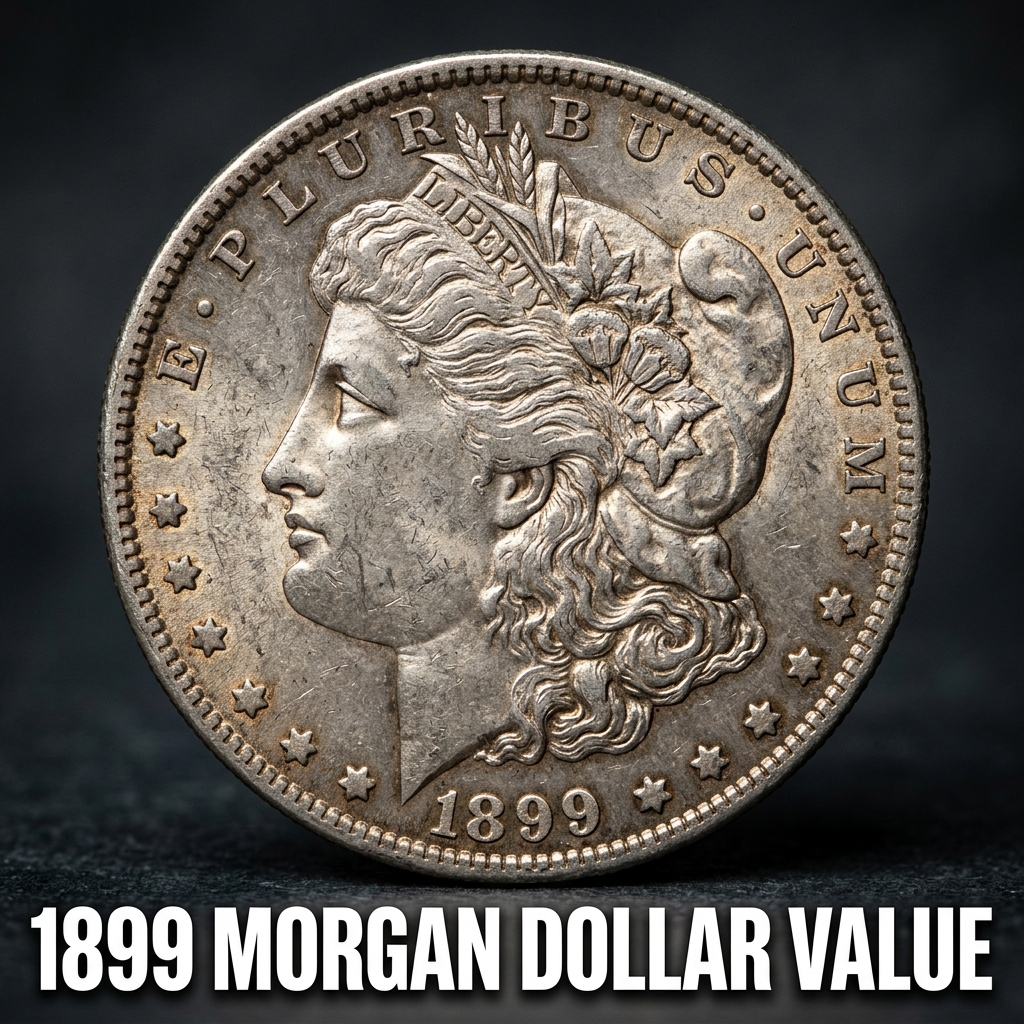
The 1899 Morgan Dollar is worth anywhere from $35 in heavily worn condition to well over $1,000 or more in high mint state grades — and certain mint mark varieties can push that number even higher. If you stumbled across one of these beautiful silver dollars in an old box or inherited coin collection, you’re in luck. This guide will walk you through exactly what affects its value and what you might have in your hands.
Understanding the 1899 Morgan Dollar
The 1899 Morgan Dollar is a classic piece of American silver coinage, struck at three different mints: Philadelphia (no mint mark), New Orleans (O), and San Francisco (S). Designed by George T. Morgan, these coins contain 90% silver and have been a favorite among collectors for generations. If you want a quick and reliable way to identify exactly which variety you have, using the best coin identifier app can save you a lot of guesswork. Apps like CoinHix let you scan your coin and instantly get detailed information about mint marks, condition estimates, and current market values — no experience required.
The total mintage for all three 1899 Morgan Dollar facilities combined was relatively modest compared to other years, which is part of what makes certain examples more valuable. The Philadelphia mint struck just 330,000 coins that year, making the 1899-P one of the key dates in the entire Morgan Dollar series.
1899 Morgan Dollar Value by Mint Mark and Grade
Condition and mint mark are the two biggest factors that determine what your 1899 Morgan Dollar is worth. A heavily circulated coin with worn details will always fetch less than one that looks nearly new. Here’s a general breakdown of values across the main varieties and grades:
| Variety | Good (G-4) | Fine (F-12) | XF-40 | MS-63 | MS-65 |
|---|---|---|---|---|---|
| 1899 (Philadelphia) | $200 | $350 | $550 | $1,100 | $3,500+ |
| 1899-O (New Orleans) | $35 | $40 | $55 | $175 | $1,200+ |
| 1899-S (San Francisco) | $60 | $85 | $150 | $600 | $2,500+ |
For the most current auction results and real-time pricing on the 1899 Morgan Dollar, you can browse detailed 1899 Morgan Dollar MS grade price data that tracks what collectors are actually paying today.
How to Grade Your 1899 Morgan Dollar at Home
You don’t need to be a professional numismatist to get a rough sense of your coin’s condition. Start by looking at the highest points of the design — Lady Liberty’s cheek and hair above the ear on the obverse, and the eagle’s breast feathers on the reverse. If those areas show heavy flat wear, your coin is likely in Good to Fine grade. If you can still see most of the hair strands and feather details, you might be looking at an Extremely Fine or even About Uncirculated example.
Luster matters too. Mint state Morgan Dollars should have a cartwheel shine when you tilt them under a light. Any dullness, cleaning, or visible scratches can significantly reduce value. Cleaned coins are a common issue with old silver dollars and can cut the price by 30–50% or more — even if the underlying coin is sharp.
CoinHix is a great tool here as well. By scanning both sides of your coin, the app uses image recognition technology to help estimate your coin’s grade and give you a realistic value range based on current market data.
The 1899 Philadelphia Mint — A True Key Date
If you have an 1899 Morgan Dollar with no mint mark (meaning it was struck in Philadelphia), you may be holding one of the most sought-after coins in the entire Morgan Dollar series. With only 330,000 struck, it’s significantly rarer than the New Orleans issue, which had a mintage of over 12 million. Even in worn grades, the 1899-P commands strong premiums, and in mint state, it can easily cross the $1,000 to $3,500 mark depending on eye appeal and strike quality.
You can find a thorough breakdown of 1899 silver dollar values across all grades and mint marks to see exactly where your coin fits in the current collector market.
Where to Sell Your 1899 Morgan Dollar
Once you know what you have, you’ll want to find the right place to sell. For higher-value coins like the 1899-P, getting it professionally graded through PCGS or NGC is often worth the fee, since a certified coin typically sells for more and gives buyers confidence. For circulated 1899-O examples, local coin dealers, eBay, or dedicated coin shows are all reasonable options. Always get at least two or three opinions before selling.
Before you head out the door, do a quick scan with CoinHix to get a baseline value and understand what comparable coins have sold for recently. Walking in informed makes a real difference.
Frequently Asked Questions
Q: How do I know if my 1899 Morgan Dollar is from Philadelphia, New Orleans, or San Francisco?
A: Flip the coin over to the reverse side and look just below the eagle’s tail feathers. If you see an “O,” it’s from New Orleans. An “S” means San Francisco. If there’s no mint mark at all, it was struck in Philadelphia — and that’s the rarest and most valuable of the three 1899 varieties.
Q: Is a cleaned 1899 Morgan Dollar still worth anything?
A: Yes, but considerably less than an original-surface example. Cleaning removes the natural luster and patina that collectors value, and most grading services will label a cleaned coin as “improperly cleaned,” which limits its appeal. A cleaned 1899-O in Fine condition might sell for $25–$30 instead of the $40+ it would bring untouched.
Q: What’s the most valuable 1899 Morgan Dollar ever sold?
A: High-grade examples of the 1899-P have sold at major auction houses for several thousand dollars. A PCGS MS-65 example has been known to bring over $5,000 at auction, and even higher grades are exceedingly rare and can go well beyond that. The 1899-O in gem condition has also set impressive records thanks to collector demand for original, well-struck examples.