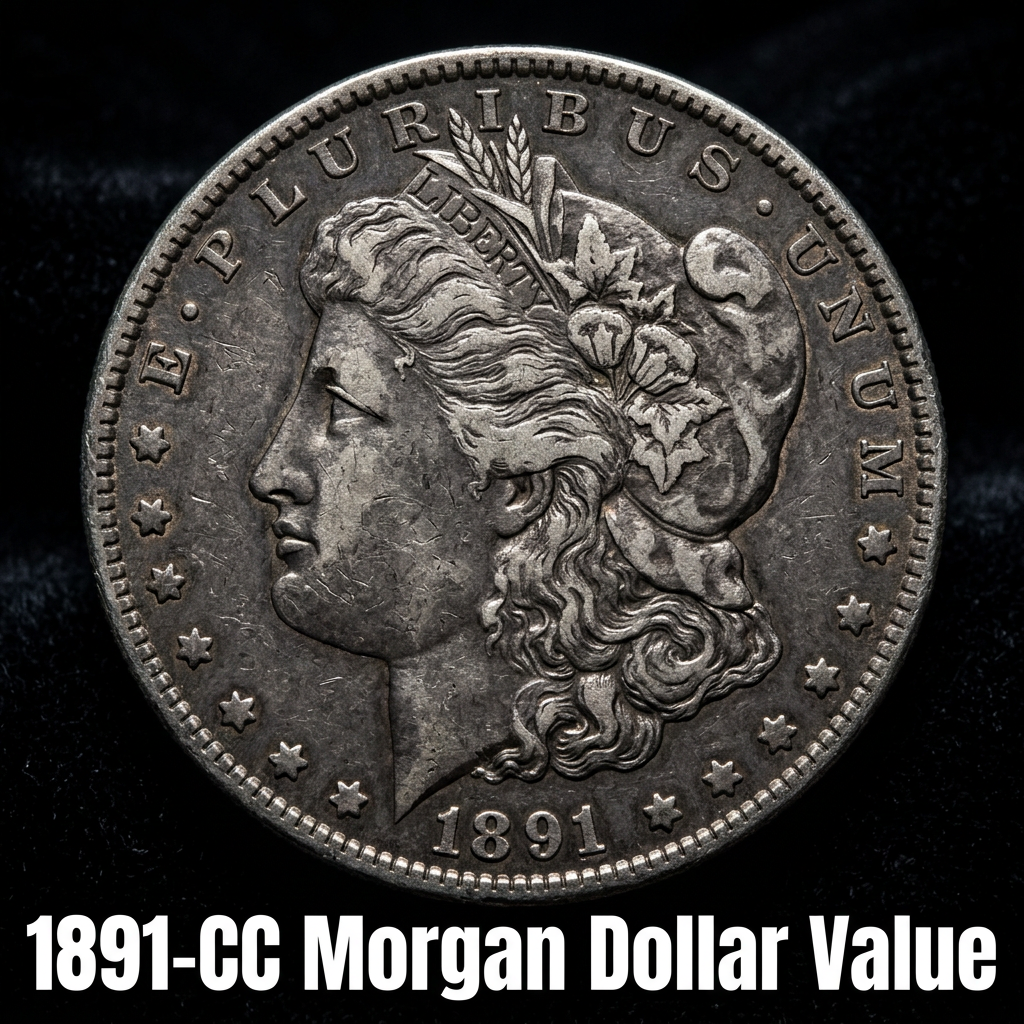
The 1891-CC Morgan Dollar is worth anywhere from $100 in heavily worn condition to well over $2,000 or more in higher mint state grades. If you stumbled across one of these silver dollars in an old collection or inherited coin box, you may be holding something genuinely valuable — and this guide will help you figure out exactly what you’ve got.
Why the 1891-CC Morgan Dollar Is Special
Not all Morgan Dollars are created equal, and the 1891-CC is a great example of why mint marks matter so much in coin collecting. The “CC” stands for Carson City, Nevada — a mint that operated from 1870 to 1893. Coins struck there are almost always more desirable to collectors than their Philadelphia counterparts, simply because fewer were produced and survival rates tend to be lower.
In 1891, the Carson City Mint struck just over 1.6 million Morgan Dollars. That sounds like a lot, but when you compare it to the Philadelphia Mint’s output the same year (over 8 million), you start to understand why CC coins carry a premium. Many of these coins were used in everyday commerce, leaving most survivors in well-worn grades. Finding a sharp, lightly circulated or uncirculated example is genuinely exciting.
If you’re not sure whether the coin you have is a Carson City issue, look for the small “CC” mint mark on the reverse, just above the “DO” in “DOLLAR.” You can also use the best coin identifier app to scan and identify your coin instantly — a handy tool for anyone just starting out.
1891-CC Morgan Dollar Value by Grade
Condition is everything when it comes to coin values. Collectors use a numeric grading scale from 1 to 70 to describe a coin’s condition, and even a few grade points can mean hundreds of dollars in difference. Here’s a general value breakdown for the 1891-CC Morgan Dollar:
| Grade | Description | Estimated Value |
|---|---|---|
| G-4 (Good) | Heavy wear, outline visible | $100 – $130 |
| VG-8 (Very Good) | Moderate wear, main features clear | $130 – $180 |
| F-12 (Fine) | Even wear, some detail remaining | $180 – $250 |
| VF-20 (Very Fine) | Light to moderate wear | $275 – $375 |
| EF-40 (Extremely Fine) | Light wear on high points | $450 – $600 |
| AU-55 (About Uncirculated) | Slight wear, mostly original luster | $700 – $950 |
| MS-63 (Mint State) | No wear, some contact marks | $1,500 – $2,500 |
| MS-65 (Gem Mint State) | Exceptional quality, strong luster | $5,000+ |
For the most up-to-date pricing across all grades, you can check real-time 1891-CC Morgan Dollar price data by grade and auction results — a great resource to bookmark if you’re tracking market trends.
What Affects the 1891-CC Morgan Dollar Price
Beyond the standard grade, a few other factors can push the value of your 1891-CC Morgan Dollar higher — or lower. Strike quality is a big one. Carson City coins are sometimes known for weaker strikes, especially on the eagle’s breast feathers and Lady Liberty’s hair above the ear. A sharply struck example commands a noticeable premium over a softer one of the same grade.
Eye appeal matters too. Coins with original, undisturbed surfaces and natural toning are far more desirable than those that have been cleaned. Unfortunately, many old silver dollars were polished or dipped at some point, which significantly reduces their value in the eyes of serious collectors. If your coin has a bright, unnaturally shiny look, it may have been cleaned.
Finally, certification from a third-party grading service like PCGS or NGC adds credibility and often increases resale value. CoinHix is a great companion tool here — use it to research certified examples and compare your coin against recent auction sales before deciding to buy or sell.
How to Tell If Your 1891-CC Morgan Dollar Is Authentic
With values climbing into the hundreds and thousands of dollars, counterfeits and altered coins exist. The most common form of fraud involves adding a fake “CC” mint mark to a common Philadelphia or San Francisco coin. A few things to check: the font style of the mint mark, its position relative to the eagle’s tail feathers, and the overall weight of the coin (a genuine Morgan Dollar weighs 26.73 grams).
If you’re unsure, CoinHix can help you compare your coin’s details against verified examples. For a more detailed look at what different grades and varieties look like in practice, this breakdown of 1891 silver dollar values by variety and condition is worth a read alongside this guide.
When in doubt, submit your coin to PCGS or NGC for professional authentication. The grading fee is usually worth it for a coin in this value range.
Is the 1891-CC Morgan Dollar Worth Selling?
That depends on your coin’s condition and your personal goals. In lower circulated grades, you’ll likely find buyers quickly through major auction sites or coin dealers. In higher grades — especially MS-62 and above — you’re dealing with a genuinely scarce coin that serious collectors actively seek. Auction houses like Heritage Auctions or Stack’s Bowers regularly handle examples in this range.
Don’t rush the process. Do your research, compare recent sold prices, and consider getting a professional appraisal before listing. CoinHix makes it easy to track what similar examples have sold for in recent months, so you can price your coin with confidence rather than guessing.
Frequently Asked Questions
Q: How do I know if my coin is genuinely from Carson City?
A: Look for the “CC” mint mark on the reverse of the coin, positioned above the “DO” in “DOLLAR.” If you’re uncertain, use a magnifier to inspect the mint mark closely. Altered mint marks often look slightly raised, off-center, or inconsistently positioned compared to genuine examples.
Q: Is a cleaned 1891-CC Morgan Dollar still worth anything?
A: Yes, but significantly less than an original-surface example. Cleaned coins are typically labeled “Improperly Cleaned” or “Details” by grading services and may sell for 30–60% less than their unaltered counterparts of the same technical grade. That said, even a cleaned circulated example can fetch $80–$120 based on silver content alone.
Q: Where is the best place to sell an 1891-CC Morgan Dollar?
A: For coins in lower grades, eBay or a local coin dealer works fine. For higher-grade or certified examples, major numismatic auction houses will typically get you the best price. Always research recent comparable sales first — tools like CoinHix and professional grading services are your best starting points for understanding what your coin is really worth in today’s market.