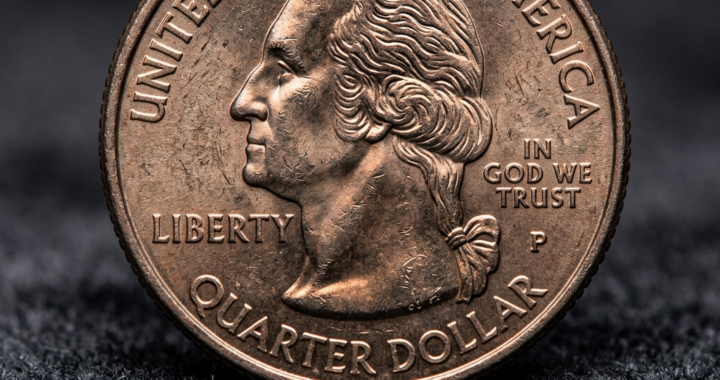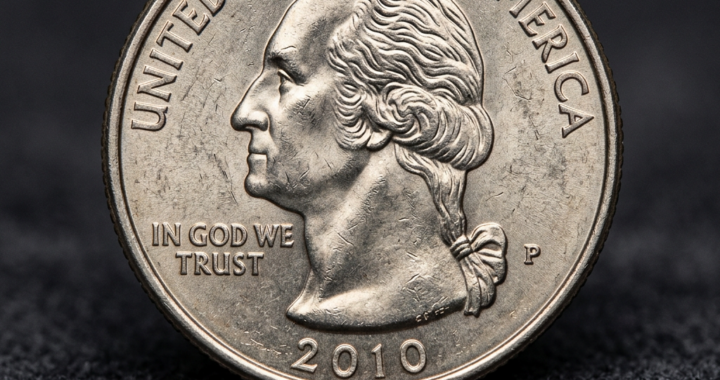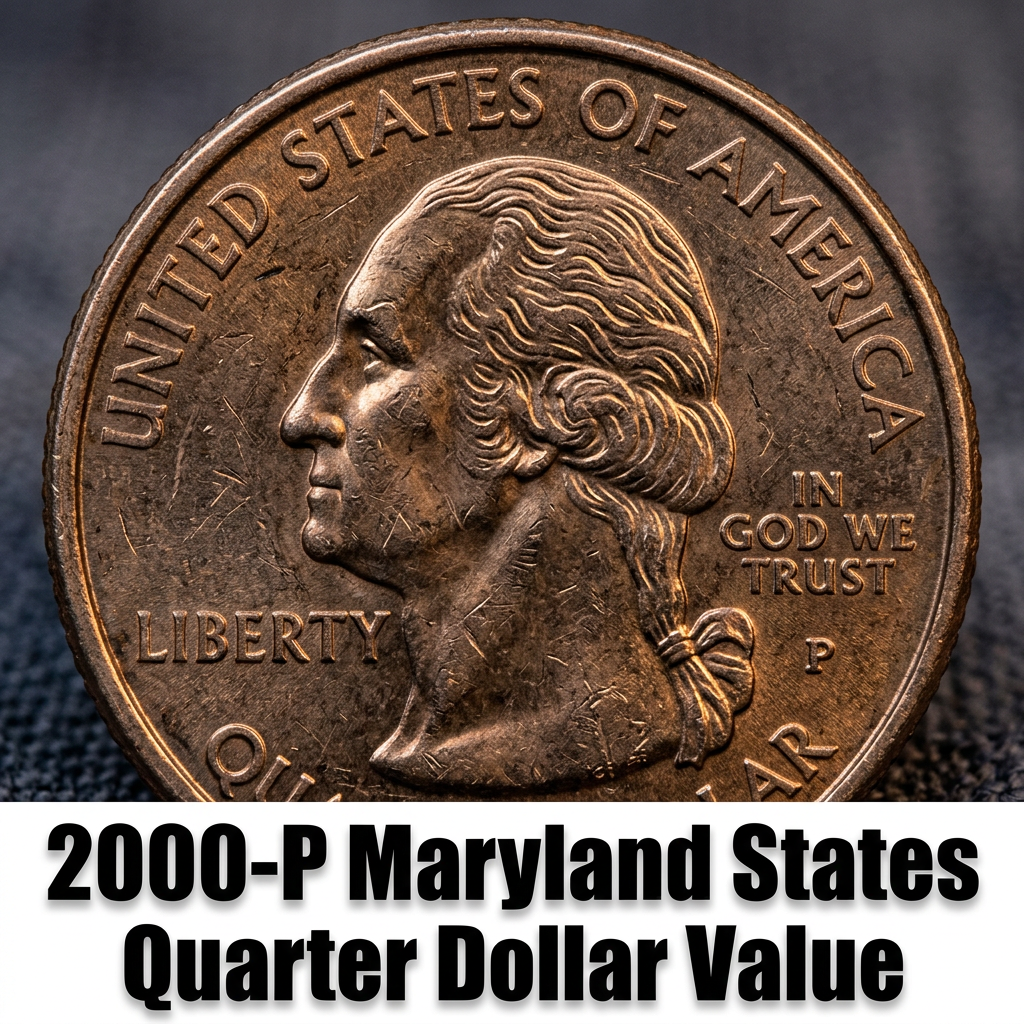
The 2000-P Maryland State Quarter is worth anywhere from 25 cents in heavily circulated condition to around $5–$15 in uncirculated grades, with top-certified specimens occasionally fetching $20 or more.
If you recently dug through a drawer full of old coins and found a 2000-P Maryland State Quarter, you’re probably wondering whether you’ve stumbled onto something valuable. The good news is that these quarters are genuinely collectible, and knowing a few key details can help you figure out exactly where your coin falls on the value spectrum. If you want a fast answer right from your phone, try using the best coin identifier app to scan and identify your coin in seconds — no experience needed.
—
What Is the 2000-P Maryland State Quarter?
The 2000-P Maryland State Quarter was struck at the Philadelphia Mint as part of the popular 50 State Quarters Program, which ran from 1999 to 2008. Maryland was the seventh state released in the series, and it carries a design featuring the Maryland State House dome, white oak branches, and the inscription “The Old Line State.” The “P” mintmark tells you it came from Philadelphia.
More than 678 million of these quarters were produced, which is a large mintage by any standard. High mintage generally keeps values modest for circulated examples, but that doesn’t mean your coin is worthless. Condition is everything in coin collecting, and even a common coin in pristine uncirculated condition can command a solid premium.
—
2000-P Maryland Quarter Values by Condition
Here’s a quick breakdown of what the 2000-P Maryland State Quarter is typically worth based on grade:
| Condition / Grade | Estimated Value |
|---|---|
| Circulated (Good to Fine) | Face value – $0.50 |
| Extremely Fine (EF-45) | $0.75 – $1.50 |
| Uncirculated (MS-63) | $2 – $5 |
| Gem Uncirculated (MS-65) | $6 – $15 |
| Superb Gem (MS-67+) | $20 – $50+ |
For the most current auction results and certified population data, you can check out detailed 2000-P State Quarter price data across multiple grades to see exactly what collectors are paying right now.
—
How to Grade Your 2000-P Maryland Quarter at Home
You don’t need to be a professional numismatist to get a rough idea of your coin’s grade. Start by looking at the high points of the design — the dome of the State House and the oak leaf details. If those areas show significant wear and the coin looks dull or flat, it’s circulated and worth close to face value. If the coin still has its original mint luster (a slight shine that rolls across the surface when you tilt it under a light), you likely have an uncirculated example.
Avoid cleaning your coin under any circumstances. A cleaned coin is considered damaged by collectors and is worth far less than a naturally toned one, even if it looks shinier. Use a magnifying glass or a loupe to spot any nicks, scratches, or contact marks. The fewer the flaws, the higher the grade and the better the value.
CoinHix makes grading easier for beginners. The CoinHix app gives you access to a comprehensive price guide that shows real sale prices sorted by grade, so you can compare your coin to actual sold examples.
—
Error Coins and Special Varieties Worth More
Here’s where things get interesting for treasure hunters. Some 2000-P Maryland quarters were struck with minor errors that significantly boost their value. Known varieties include:
– Doubled Die Obverse (DDO): Look for doubling on the date or the word “LIBERTY” under magnification.
– Die Cracks and Cuds: Raised lines or lumps on the coin’s surface caused by cracked dies.
– Off-Center Strikes: The design appears shifted, with part of the coin blank.
Error coins can be worth anywhere from $10 to several hundred dollars depending on the severity and type of error. If you think you may have found one, don’t guess — use a trusted resource. You can also browse a detailed guide covering 2000 quarter values including errors and mint varieties to see if your coin matches any known varieties.
—
Should You Get Your Maryland Quarter Certified?
Professional certification through services like PCGS or NGC is worth considering if you believe your coin grades MS-66 or higher. The cost of grading typically ranges from $20 to $40 per coin, so it only makes financial sense for higher-grade pieces. A certified MS-67 example with a clean strike and strong luster could realistically sell for $30–$75 at auction.
For most 2000-P Maryland quarters you find in circulation or old coin rolls, certification isn’t necessary. Simply keeping them in a protective coin flip or 2×2 holder is enough to preserve their condition.
CoinHix offers an in-app grading reference tool that helps you decide whether professional certification is worth the investment for your specific coin.
—
FAQ
Q: Is the 2000-P Maryland State Quarter rare?
A: No, it is not considered rare. Over 678 million were minted at the Philadelphia Mint, making it one of the more common State Quarters. However, high-grade certified examples (MS-67 and above) are scarce and worth a premium.
Q: What makes one 2000-P Maryland quarter worth more than another?
A: Condition is the biggest factor. An uncirculated coin with full mint luster and no contact marks is worth significantly more than a worn circulated one. Error coins and doubled die varieties also command higher prices.
Q: Where is the best place to sell a 2000-P Maryland State Quarter?
A: For circulated examples, local coin dealers or eBay are practical options. For certified high-grade or error coins, major auction houses like Heritage Auctions or Stack’s Bowers will get you the best exposure and price.