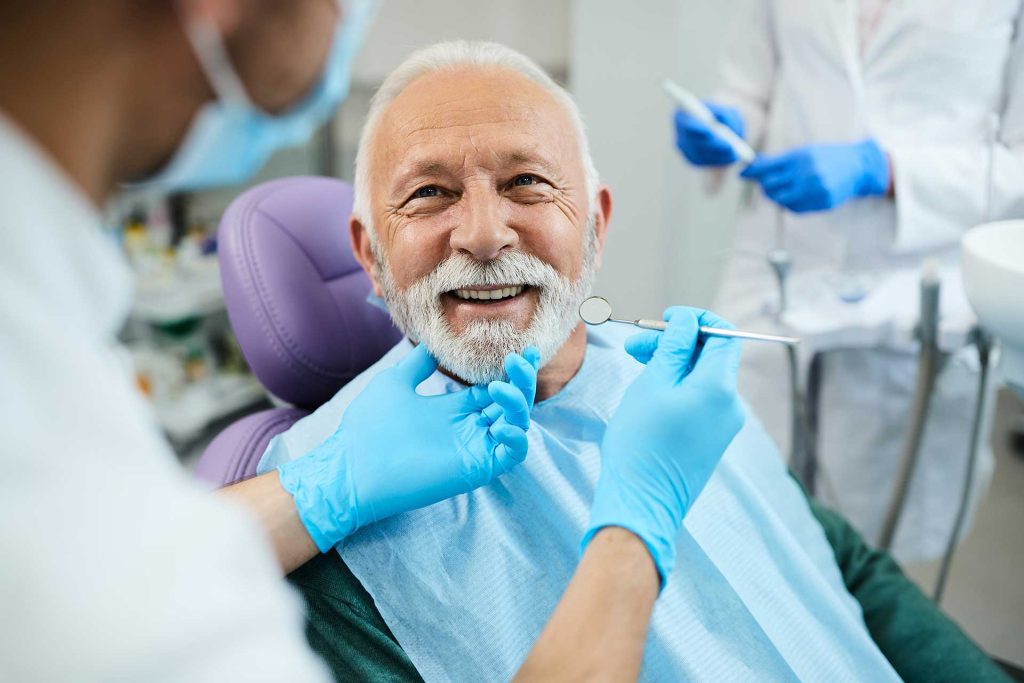
Understanding the Human Side of Dental Emergencies
When dental emergencies strike, patients often find themselves in a vulnerable state, experiencing not only physical discomfort but also significant emotional distress. The ability of dental professionals to demonstrate genuine empathy during these critical moments can fundamentally transform the patient experience and treatment outcomes. Emergency dental situations require more than technical expertise; they demand a comprehensive understanding of human psychology and emotional needs.
The relationship between empathy and effective emergency dental care extends far beyond simple bedside manner. Research consistently demonstrates that empathetic healthcare providers achieve better patient compliance, reduced anxiety levels, and improved overall satisfaction rates. For dental professionals working in emergency settings, this emotional intelligence becomes particularly crucial as patients frequently arrive in states of panic, pain, or fear.
The Psychology of Dental Emergency Patients
Emergency dental patients typically present with heightened emotional states that can significantly impact their ability to communicate effectively and follow treatment recommendations. Understanding these psychological factors allows dental professionals to tailor their approach accordingly. Many patients experiencing dental emergencies harbour deep-seated fears about dental procedures, often stemming from childhood experiences or previous traumatic encounters.
The unpredictable nature of dental emergencies means patients rarely have time to mentally prepare for their visit. Unlike routine appointments, emergency situations catch individuals off-guard, leaving them feeling particularly vulnerable and anxious. Studies have shown that empathy and compassion significantly reduce patient anxiety levels, creating an environment more conducive to effective treatment.
Building Trust Through Empathetic Communication
Effective communication forms the cornerstone of empathetic emergency dental care. Dental professionals must master the art of active listening, ensuring patients feel heard and understood despite the urgency of their situation. This involves acknowledging the patient’s pain, validating their concerns, and explaining procedures in accessible language that reduces rather than amplifies anxiety.
The establishment of trust becomes paramount when patients seek urgent dental treatment. An emergency dentist Wakefield or any other location must demonstrate competence whilst simultaneously showing genuine concern for the patient’s wellbeing. This delicate balance requires practitioners to exhibit confidence in their clinical abilities whilst maintaining a compassionate demeanour that reassures distressed patients.
Practical Applications of Empathy in Emergency Settings
Implementing empathetic practices in emergency dental care requires deliberate effort and systematic approaches. Successful practitioners develop specific techniques for managing patient emotions whilst maintaining clinical efficiency. These methods include using reassuring body language, maintaining appropriate eye contact, and speaking in calm, measured tones that help de-escalate tense situations.
The physical environment also plays a crucial role in demonstrating empathy. Emergency dental facilities that prioritise patient comfort through thoughtful design choices, adequate privacy, and minimal waiting times show respect for patients’ emotional states. Simple gestures such as offering blankets, explaining each step of the examination process, and checking in regularly about comfort levels can significantly impact patient perception and cooperation.
Training and Development in Empathetic Care
Modern dental education increasingly recognises the importance of emotional intelligence alongside technical proficiency. Today’s dentists require comprehensive emotional intelligence training to effectively navigate the complex interpersonal dynamics present in emergency situations. This education encompasses understanding cultural differences, recognising signs of dental phobia, and developing personalised communication strategies.
Continuing professional development programmes now regularly include modules on empathetic patient care, stress management, and communication skills. These initiatives help dental professionals maintain their emotional resilience whilst providing consistently compassionate care. The investment in such training programmes demonstrates the profession’s commitment to holistic patient care that addresses both physical and emotional needs.
Measuring the Impact of Empathetic Care
The benefits of empathetic emergency dental care extend beyond immediate patient satisfaction. Research demonstrates how empathy directly impacts patient trust and satisfaction, leading to improved treatment outcomes and reduced likelihood of future dental anxiety. Patients who receive empathetic care during emergencies often become more receptive to preventive treatments and regular dental maintenance.
Furthermore, practices that prioritise empathetic care typically experience higher patient retention rates, positive word-of-mouth referrals, and improved staff satisfaction. The ripple effects of compassionate emergency dental care contribute to stronger community relationships and enhanced professional reputations.
Creating a Sustainable Framework for Compassionate Emergency Care
The integration of empathy into emergency dental care represents more than a professional obligation; it embodies the fundamental principles of healthcare excellence. By recognising patients as whole individuals rather than merely clinical cases, dental professionals can provide truly transformative emergency care experiences that promote healing, reduce trauma, and foster long-term oral health success.